
August Community Message Newsletter: Building Family Connection Before School Starts
The August community newsletter is the first message many families receive from you as principal. Some are new to the school. Some are returning after a summer that was longer and harder than they expected. All of them are deciding, in the first few days of the year, whether this is a school community they want to be part of.
That decision is made through dozens of small signals. The August community message is one of them. Here is how to make it count.
Open With a Welcome That Feels Human
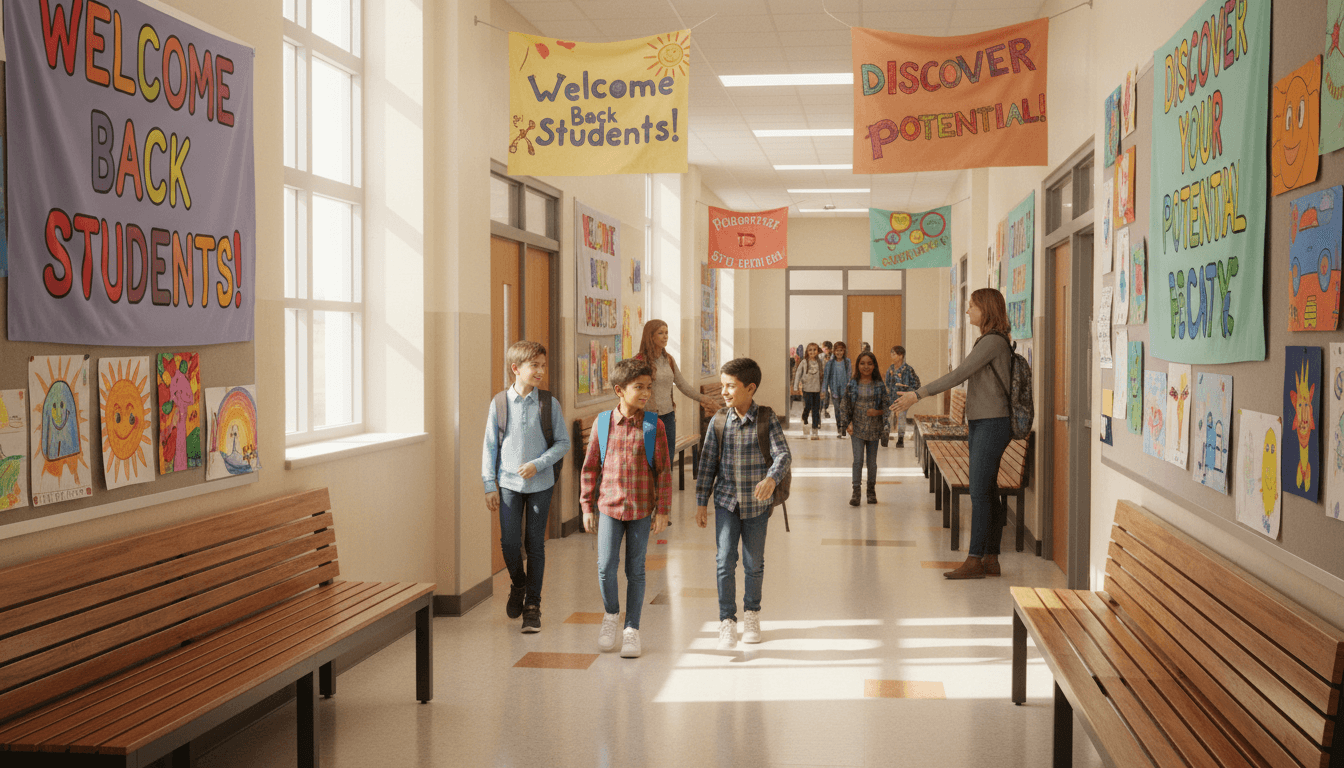
Do not open with logistics. Open with something that makes families feel like a person wrote this message, not a committee. A sentence about what August means to you, the energy of the hallways before students arrive, the new name plates on classroom doors, the smell of fresh paint in the gym. Whatever is true for you, say it.
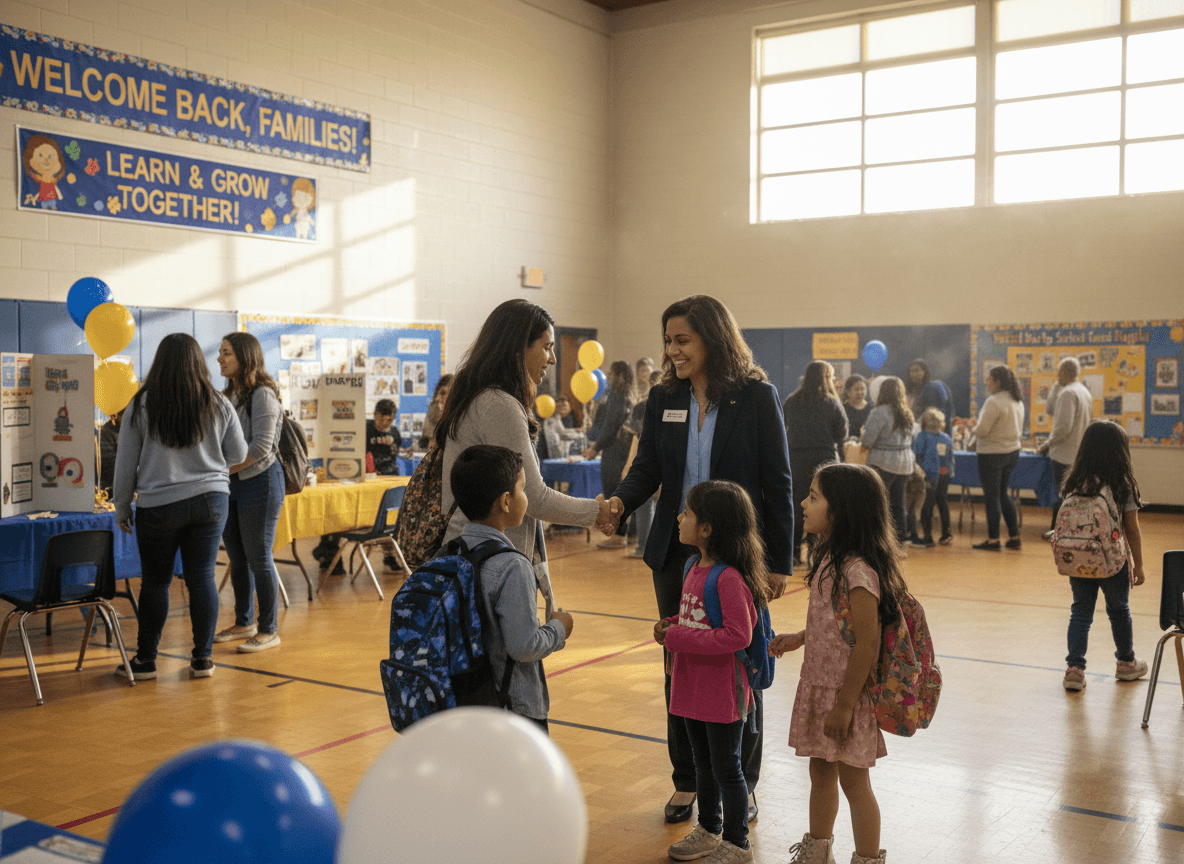
Then welcome families directly. Name new families if you can. Acknowledge returning families. If the school grew, say so with genuine excitement. If the school is small and tight-knit, acknowledge that too. Make the opening paragraph about who is here, not what is happening.
Highlight What Makes This Community Distinct
Every school community has something that makes it particular. A tradition. A neighborhood characteristic. A way that families show up for each other. The August community message is a good place to name it, especially for new families who do not yet know what they have joined.
This does not need to be elaborate. A paragraph is enough. "At Westview, families have been bringing homemade food to staff on the first day of school for nine years running. It started with one family and turned into something the whole community looks forward to." That kind of story tells new families more about the school's culture than any mission statement could.
Share the Community Events Calendar
August families are planners. They are setting up calendars, arranging childcare, and looking for dates that matter. Give them the events worth putting on the calendar now: back-to-school night, the fall family picnic, the first PTSA meeting, the school supply drive deadline, the fall carnival date even if it is months away.
Do not bury this in the middle of the newsletter. Make it visually distinct. A simple list with dates and one-line descriptions is easier to act on than a paragraph with dates woven into prose.
Invite Families Into Volunteer Roles Early
Research on family engagement consistently shows that the earlier families are invited to participate, the more likely they are to do so. August is the right time for this invitation. Not a generic "we welcome volunteers" note, but specific opportunities with specific needs.
"We are looking for three families to help coordinate the fall book fair in October. If you have a few hours available, email Ms. Torres." That kind of ask gets responses. "Volunteers are always appreciated" does not.
Acknowledge Local Partnerships and Recognitions
If your school has relationships with local businesses, community organizations, or nonprofits, August is a good time to acknowledge them. A sentence thanking the neighborhood hardware store that donated supplies or the library that hosted summer reading shows families that the school is embedded in the community, not isolated from it.
If any families, students, or staff received recognition over the summer, mention it here. A student who won a regional competition. A teacher who completed a graduate program. A family who organized a neighborhood clean-up. These recognitions reinforce the idea that this community is worth celebrating.
Set the Tone for How You Communicate All Year
The August community message is also a template for how families understand the school's voice. If you write with warmth and directness now, families will expect that register all year. If you write in bureaucratic language now, they will disengage by October.
Keep sentences short. Avoid jargon. Use "you" and "we" more than "stakeholders" and "community members." Write like you talk when you are at your best at a school event.
Close With an Invitation to Connect
End the August community newsletter with a clear, low-barrier invitation. Come to back-to-school night. Stop by the office and introduce yourself. Reply to this email with a question. The closing should make families feel that you are reachable and that the school is a place they are genuinely welcome to show up.
That feeling, established in August, is worth more than any single event or initiative you could add to the calendar.
Get one newsletter idea every week.
Free. For teachers. No spam.
Frequently asked questions
What is the goal of an August community message compared to other school newsletters?
The August community message is about belonging, not information. Its job is to make families feel welcomed, seen, and connected to the school before the year officially begins. It sets the relational tone that all future communication will build on.
Should I mention volunteer opportunities in the August community newsletter?
Yes, and August is actually the best time to do it. Families who are new to the school or returning after summer are receptive to invitations. A brief mention of specific ways to get involved, the school garden, the book fair, the PTSA, gives people a concrete next step.
How do I make a community newsletter feel personal rather than institutional?
Use first-person language, reference specific things about the school community, and avoid boilerplate phrases. 'I am looking forward to seeing the Morales family's twins in second grade this year' is more powerful than 'We welcome all new and returning families.' Specificity reads as care.
What events should I include in an August community message?
Focus on events that are community-building rather than informational. Back-to-school night, a family welcome picnic, a school supply drive, a community meet-the-teacher morning. These signal that the school is a place where people gather, not just a building children attend.
What newsletter platform do principals use for community messages?
Daystage is built specifically for school communication, which means community messages come out looking like they came from a real school rather than a generic email tool. Principals can include event photos, volunteer sign-up links, and personal notes all in one send.

Adi Ackerman
Author
Adi Ackerman is a former classroom teacher and curriculum writer with 8 years in K-8 schools. She writes about school communication, parent engagement, and what actually works in real classrooms.
More for Principals
August Academic Update Newsletter: What Principals Include at the Start of the Year
Principals · 6 min read
September Community Message Newsletter: Turning First Impressions Into Lasting Engagement
Principals · 6 min read
Elementary School Principal Newsletter: August Edition for Back to School
Principals · 7 min read
Ready to send your first newsletter?
3 newsletters free. No credit card. First one ready in under 5 minutes.
Get started free