
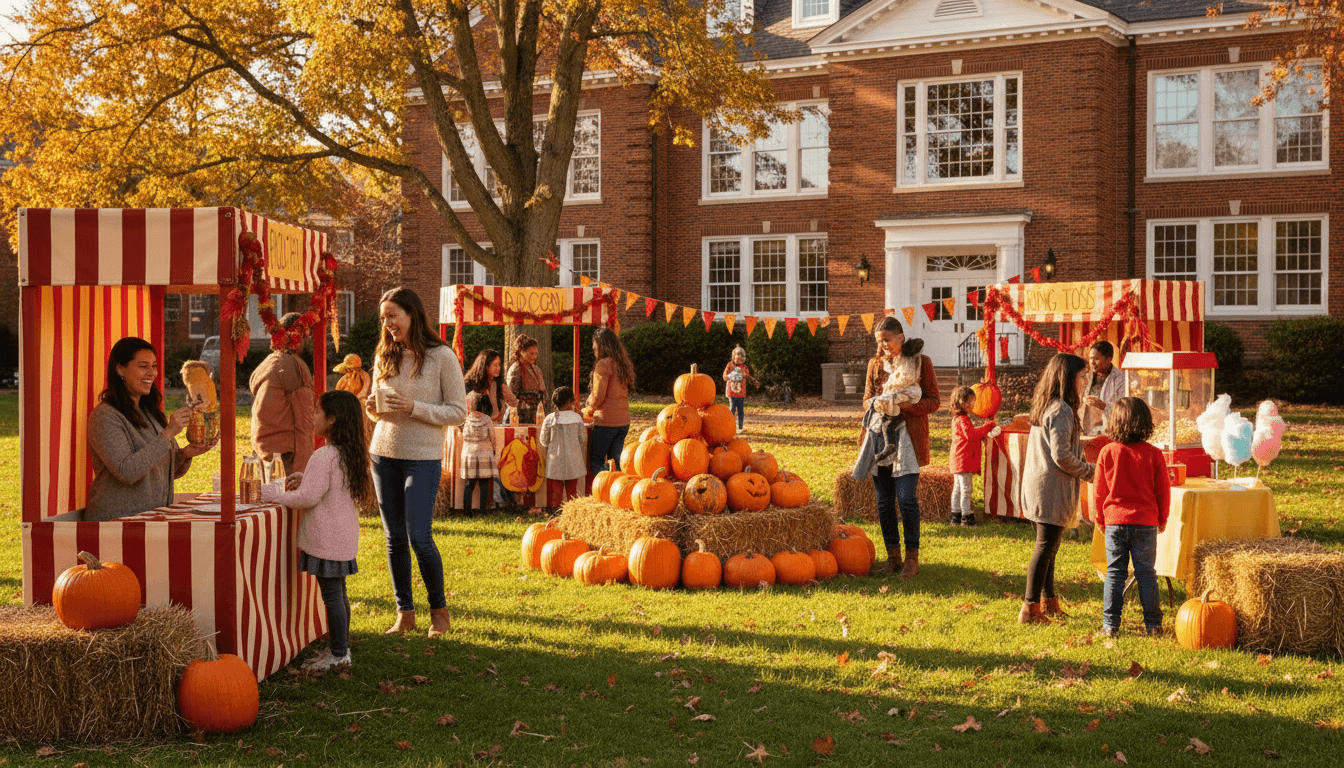
October Community Message Newsletter: Fall Events, Family Nights, and School Culture Highlights
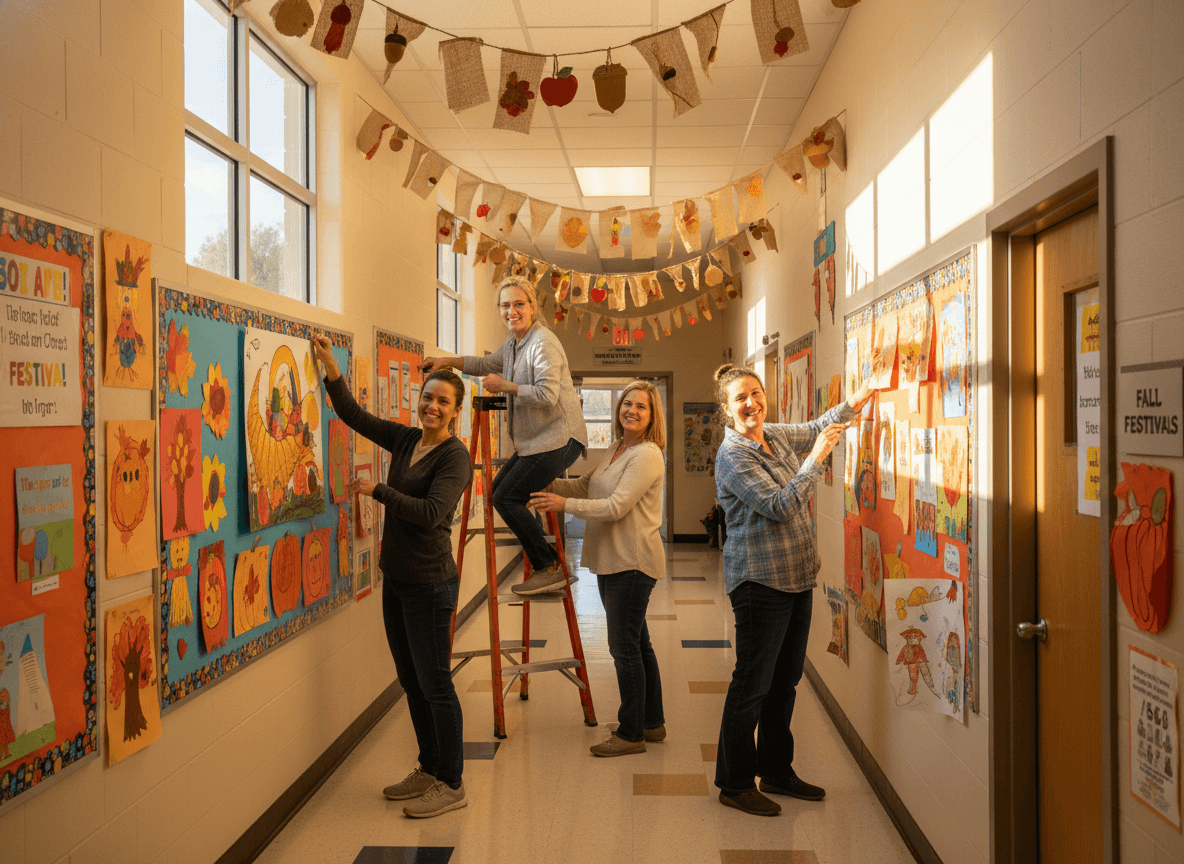
October is the school year's social peak. There are more community events packed into October than almost any other month: fall festivals, family literacy nights, parent-teacher conferences, harvest celebrations, PTSA meetings, and whatever else your school has developed over the years. The challenge is not finding content for the October community newsletter. The challenge is shaping it so it feels like a community message and not a scheduling memo.
Open With the Energy of October
October has a distinct feel in a school building. The initial nerves of September are gone. Students know their teachers. Friendships are forming. The hallways feel lived-in. Open your October community newsletter by acknowledging that shift. A sentence or two about what you have been noticing in the building grounds the letter in the specific reality of this October rather than any October.
"The lunchroom sounds different in October. Louder, but in a good way. Groups that didn't know each other in August are now finishing each other's sentences." That kind of observation makes families feel like they are getting a window into the school's daily life, not just a status report.
Preview Fall Community Events
October events deserve more than a date and a location. When you write about the fall carnival, describe what it feels like, who organizes it, and what families can expect. When you write about family literacy night, explain why the school runs it and what families and students actually do there. Context makes events worth attending.
A brief description for each major event followed by the logistics, date, time, sign-up link, is more effective than a list of events with nothing but details. People attend things they understand and feel invited into, not things they have to decode.
Recognize Volunteers and Community Contributors
October is a good time for a volunteer spotlight because by now, the school year is far enough along that real contributions have happened. Someone organized the first PTSA meeting. Someone coordinated the school supply drive. Someone volunteered in the library every Tuesday morning in September.
Name them, with their permission, and describe the impact of what they did. Recognition in the principal's newsletter carries weight that a hallway thank-you does not. It also signals to other families that contribution is noticed here, which is one of the strongest invitations to participation you can make.
Address Seasonal Topics Directly
October brings seasonal topics that some schools avoid because they feel complicated. Halloween is the most obvious one. If your school celebrates it, explain how. If your school has chosen a harvest-focused celebration that is inclusive of families with different views on the holiday, explain that choice plainly. If there are costume guidelines, share them clearly.
Direct, calm communication about seasonal topics prevents the speculation and frustration that happens when families have to guess what the school is doing or why. You do not need to over-explain. A short paragraph that covers what to expect and why the school approached it this way is enough.
Highlight Local Partnerships Active in Fall
Many community partnerships are most visible in October. Local businesses sponsoring the fall carnival. The public library running a read-a-thon. A neighborhood restaurant donating to the PTSA fundraiser. Naming these partnerships in the community newsletter acknowledges the relationships and reinforces the idea that your school is embedded in, not separate from, the broader community.
Keep these mentions warm and specific. "The team at Riverside Bakery donated breakfast for every staff member on professional development day last week" is community news. "Thank you to our generous community partners" is not.
Connect Parent-Teacher Conferences to Community
Conferences are typically in October, and they are community events as much as academic ones. Acknowledge them in the community newsletter by framing them as a time when the school and families come together. Share any logistical details, remind families how to sign up, and encourage them to attend even if their child is doing well. Conferences are not just for problems. They are for partnership.
Close With a Look at November
November brings its own rhythm, and families appreciate a glimpse of it in October. A brief closing sentence about what is coming, the Thanksgiving community meal, the fall book fair, the next family engagement night, gives readers something to look forward to and signals that the school is thinking ahead. Close October's community newsletter the way the month feels: full, warm, and moving forward.
Get one newsletter idea every week.
Free. For teachers. No spam.
Frequently asked questions
What community events typically belong in an October principal newsletter?
October community newsletters usually cover fall carnivals or festivals, family literacy nights, parent-teacher conference logistics, Halloween or harvest celebrations, PTSA meetings, and volunteer appreciation. October is one of the most event-dense months of the school year, so curating rather than listing everything is important.
How do I write a volunteer spotlight without it feeling like a public call-out?
Ask permission before naming anyone. Then write about the impact of their contribution rather than the hours they put in. 'Maria Santos spent her Saturday organizing the book room so that every teacher has the materials they need this fall' is a recognition. 'Maria worked 8 hours volunteering' is a count. Impact is what resonates.
Should the October community message address Halloween if some families have concerns about it?
Yes, directly. Acknowledge the range of family views in one sentence, explain what the school is doing and why, and move on. Avoiding the topic creates more anxiety than addressing it plainly. 'We know this is a topic families feel differently about, and we want to share how we plan to approach it' is a good opening.
How do I keep the October newsletter from being just a list of event dates?
Open with a story or observation, use events to illustrate community rather than just announce it, and close with something that reinforces belonging. The event dates can live in a formatted list at the end. The rest of the newsletter should feel like a letter from someone who is paying attention to this specific community in October.
What tool do principals use to send community newsletters that include event photos and sign-up links?
Daystage is designed for school newsletters and makes it straightforward to include photos, embed event details, and add links to volunteer sign-ups or RSVP forms. Principals use it for community messages because the result looks like a real school newsletter rather than a plain text email.

Adi Ackerman
Author
Adi Ackerman is a former classroom teacher and curriculum writer with 8 years in K-8 schools. She writes about school communication, parent engagement, and what actually works in real classrooms.
More for Principals
September Community Message Newsletter: Turning First Impressions Into Lasting Engagement
Principals · 6 min read
November Community Message Newsletter: Gratitude, Giving, and Family Engagement Before the Break
Principals · 6 min read
October Academic Update Newsletter: Sharing First Assessment Results With Families
Principals · 7 min read
Ready to send your first newsletter?
3 newsletters free. No credit card. First one ready in under 5 minutes.
Get started free