
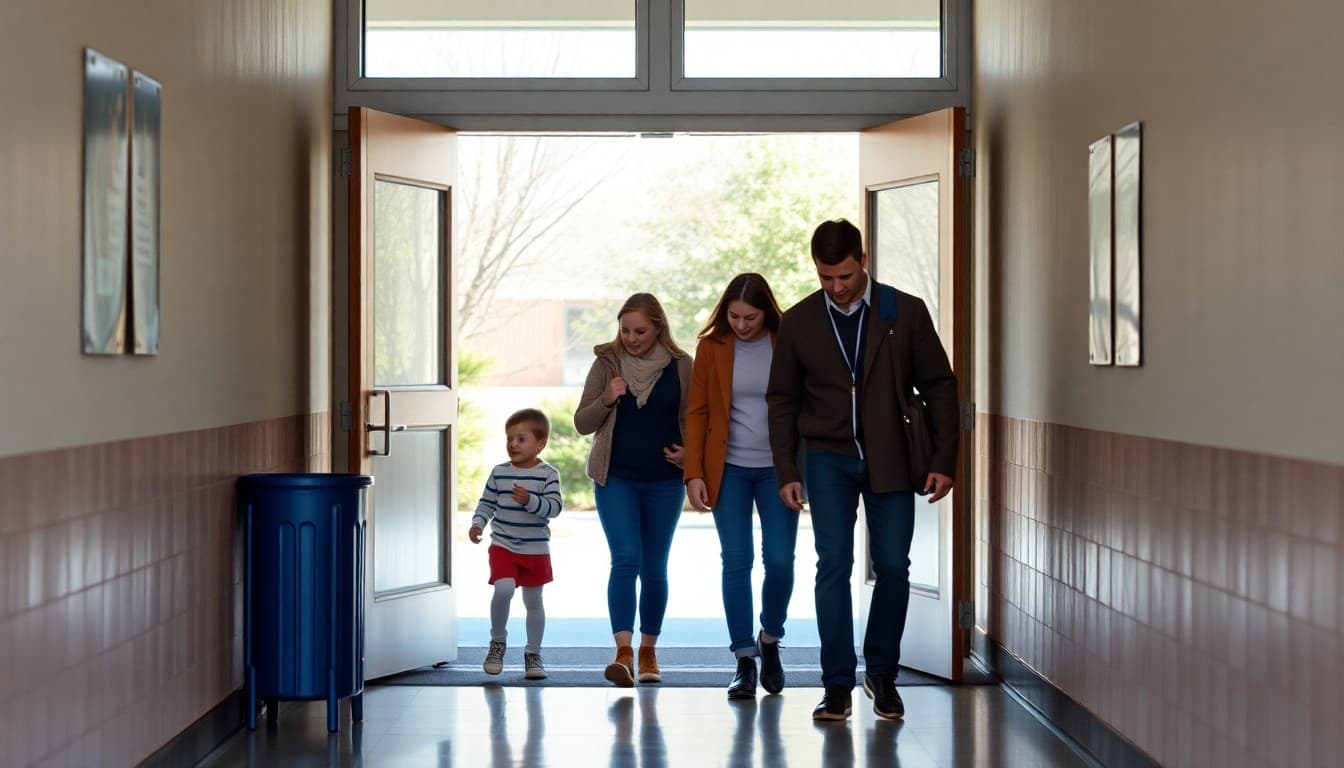
School Newsletter for New Families: What to Send and When

New families come to a school with anxiety, uncertainty, and a strong desire to feel welcomed and informed. How you communicate with them in the first 30 days shapes their relationship with the school for years. Most schools underinvest in this window and spend years trying to build engagement with families who started their school relationship feeling unseen.
The enrollment welcome: send within 48 hours
The first communication every new family should receive from the principal is a brief, warm welcome email within two days of enrollment. This is not a long newsletter. It is a short message that says:
- We know you just enrolled and we are glad you are here
- Here is who to contact first with any question: [name, email, phone]
- Here is what to expect in the first week: [two to three key logistics]
- We will be in touch with [frequency] newsletters throughout the year
That message takes five minutes to write and draft once. After that, it is automated to every new enrollee.
The new family orientation newsletter
Before the first week of school (or the week a mid-year enrollee starts), send a more detailed newsletter covering what returning families know intuitively but new families need to be told:
- Arrival and dismissal. Drop-off location, time, procedure. Pickup location and sign-out process.
- The building layout. Where the office is, where classrooms are relative to the entrance, where the cafeteria is. If you have a map on the school website, link it.
- How communication works. What channel the principal newsletter comes through, what the school uses for daily communication, how to reach teachers.
- Parent involvement culture. What the norms are. Are parents expected in the building? Where can they help? What does involvement look like here?
- Who to call when. A brief decision tree: my child is sick, call [number]. I have a question about grades, email [address]. I have a safety concern, call [number] and ask for [name].
The one-month check-in
Four weeks after enrollment, send a brief check-in to new families. Two or three sentences: 'We hope [student name] is settling in well. If you have any questions about how things are going, please reach out to [name] at [contact]. We want your family's first year here to start well.'
This message costs you almost no time and generates a remarkable number of replies from families who had questions they did not know how to raise. Those replies are useful: they tell you exactly what new families are finding confusing or difficult.
Folding new families into the general newsletter list
From month two onward, new families should be on the same newsletter list as everyone else. The general principal newsletter is their ongoing connection to the school community. If your general newsletter is well-written and useful, new families will quickly come to rely on it the same way returning families do.
Daystage supports targeted sends to subsets of your contact list, which makes the enrollment welcome and orientation newsletter easy to manage separately from the main school-wide list. Set up the welcome sequence once and it operates automatically for each new enrollee.
Get one newsletter idea every week.
Free. For teachers. No spam.
Frequently asked questions
When should I send a welcome newsletter to new families?
Within 48 hours of enrollment confirmation. The family is paying close attention immediately after enrolling, and that attention window closes quickly. A welcome newsletter that arrives within two days of enrollment reaches families when they are most receptive to information about their new school.
What should a new family welcome newsletter include?
A personal welcome from the principal, the name and contact of their primary point of contact at the school, practical first-week logistics, an overview of how school communication works (newsletters, apps, phone calls), and two or three things about the school culture the family might not find in a handbook. This is the newsletter that sets the tone for every future communication.
Should I send new families different newsletters from returning families?
The general principal newsletter should go to all families. A supplemental welcome sequence for new families is worthwhile: an enrollment welcome, a first-week orientation message, and a one-month check-in. These can be brief and automated. The investment pays off in significantly higher family engagement throughout the year.
What information do new families most often lack?
How the building actually works day-to-day. Where to park. Who to call first when there is a problem. What the culture around parent involvement is. How communication typically flows. Principals who assume new families will figure this out on their own are right: some will, and some will feel confused and underserved for months.
What tool helps principals send newsletters efficiently?
Daystage supports both school-wide newsletters and targeted smaller sends. A new family welcome newsletter can be sent to just the newly enrolled families without affecting your main list. That flexibility matters for onboarding-specific communication.

Adi Ackerman
Author
Adi Ackerman is a former classroom teacher and curriculum writer with 8 years in K-8 schools. She writes about school communication, parent engagement, and what actually works in real classrooms.
More for Principals
Ready to send your first newsletter?
3 newsletters free. No credit card. First one ready in under 5 minutes.
Get started free