
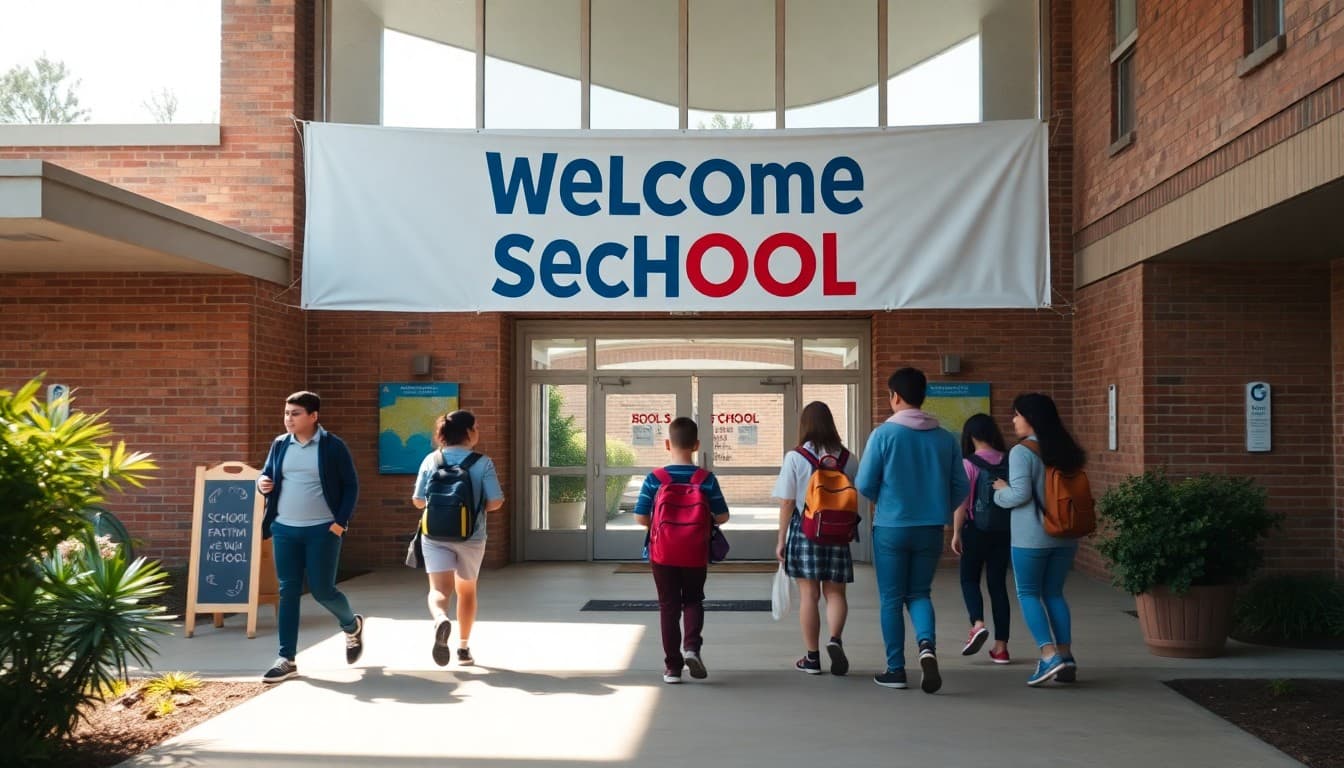
Back-to-School Newsletter Examples That Set the Year Up Right
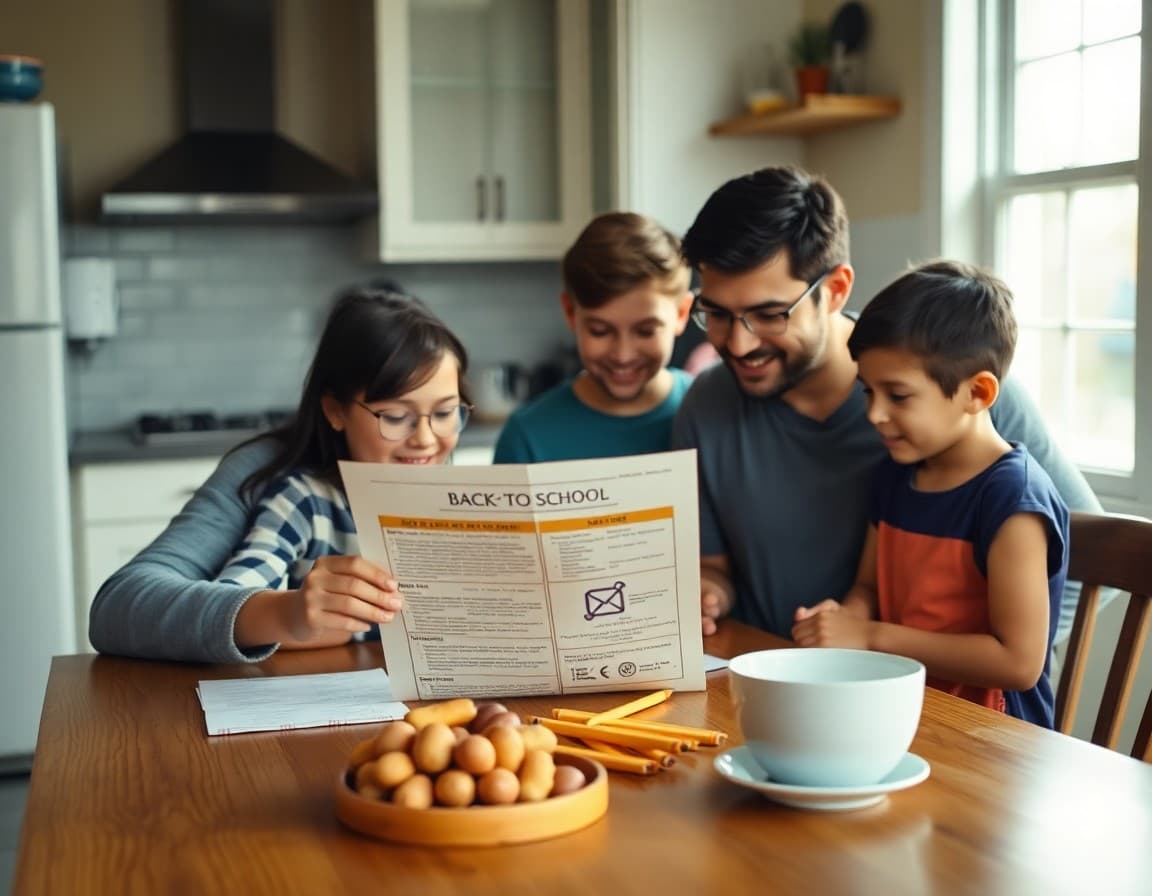
Back-to-school newsletters get opened at the highest rates of the entire school year. Families are paying attention in August and September in ways they will not be by November. Use that attention window to establish your communication style, deliver real value, and set family expectations for the year.
The two-newsletter back-to-school sequence
The most effective back-to-school communication is not a single newsletter. It is a two-message sequence:
- Newsletter 1: Two weeks before school starts. Covers the big picture. New staff, policy changes, key September dates, orientation information for new families.
- Newsletter 2: Two to three days before the first day.Covers the logistics. Arrival times, drop-off procedure, first-day schedule, what to bring.
Some principals also send a brief first-week recap after the opening days, which families appreciate and which often generates the most direct replies of the year.
Back-to-school principal message: elementary example
'I spent the last week of August walking every classroom in this building. Mrs. Patel has rearranged her room so every student faces the windows and the garden she planted last spring. Mr. Okonkwo has a class map on his wall with a pin for every country his students' families came from. This is going to be a good year. I can tell by how the rooms feel before the students arrive.'
That paragraph takes 30 seconds to write if you actually walked the building and paid attention. It is the paragraph families share with each other before the first day.
Back-to-school logistics section: what to include
- First day of school: [date]. Doors open at [time]. Classes begin at [time].
- Morning drop-off: [location and procedure]. Enter from [street]. Do not park on [street].
- Afternoon pickup: [time and location]. Students not picked up by [time] will wait in [location].
- Class assignments: Posted on [date] at [location or link].
- What to bring: [supply list link or brief description]. First-day supplies only. Full supply list at [link].
- Questions before school starts: Email [address] or call [number].
New family section: what they need that returning families already know
New families have a specific anxiety about logistics that returning families navigate by habit. Address them separately in your newsletter, even if just with a clear header:
'New to [School Name]? Here is what you need to know for day one: [brief list]. Our front office staff is available from [time] to [time] to answer any questions. You are welcome to call or stop by.'
Policy changes section: be explicit
Every policy change from last year belongs in the back-to-school newsletter. Phone policy, dress code updates, late arrival procedure, dismissal changes. Returning families who assume 'everything is the same' and are wrong are your most common source of early-year friction.
Even small changes deserve mention: 'We shifted pickup from the front entrance to the side entrance this year to improve traffic flow. Please use the side entrance on [street] starting August 28.'
Daystage makes it easy to draft and schedule both back-to-school newsletters in a single session. Set the send dates in advance and your first-week communication is automated before school even starts.
Get one newsletter idea every week.
Free. For teachers. No spam.
Frequently asked questions
What should the first back-to-school newsletter always include?
The first day logistics (arrival time, drop-off procedure, where to go), any major policy changes from last year, new staff introductions, and a personal welcome from the principal that sounds like a real person. The first newsletter of the year sets the tone for every subsequent one. If it reads like a form letter, families will expect form letters all year.
Should I send a back-to-school newsletter before or after the first day?
Both. A pre-opening newsletter two weeks before school starts helps families prepare. A post-first-week newsletter after the first few days tells families how things went and what to expect in the coming weeks. These two newsletters together establish your communication cadence before the year fully begins.
What do new families specifically need in a back-to-school newsletter?
Building navigation, parking and drop-off specifics, who their main contacts are, how to access the school's communication channels, and anything they need to know that returning families already know without being told. New families should not have to figure out the basics by guessing on the first day.
What is the most common back-to-school newsletter mistake?
Writing a newsletter that is entirely about the school's excitement and vision without giving families the practical information they need to prepare. Enthusiasm is fine, but families reading a back-to-school newsletter want to know: what time does school start? Where do I drop my kid off? What does my child need to bring? Answer those questions first.
What tool helps principals send newsletters efficiently?
Daystage lets principals draft back-to-school newsletters in advance, schedule them for the right send dates, and reach all families simultaneously with inline email delivery. Back-to-school season is the highest-read window of the year for school communication.

Adi Ackerman
Author
Adi Ackerman is a former classroom teacher and curriculum writer with 8 years in K-8 schools. She writes about school communication, parent engagement, and what actually works in real classrooms.
More for Principals
Ready to send your first newsletter?
3 newsletters free. No credit card. First one ready in under 5 minutes.
Get started free