
Rural School Principal Newsletter: Staying Connected in Remote Communities
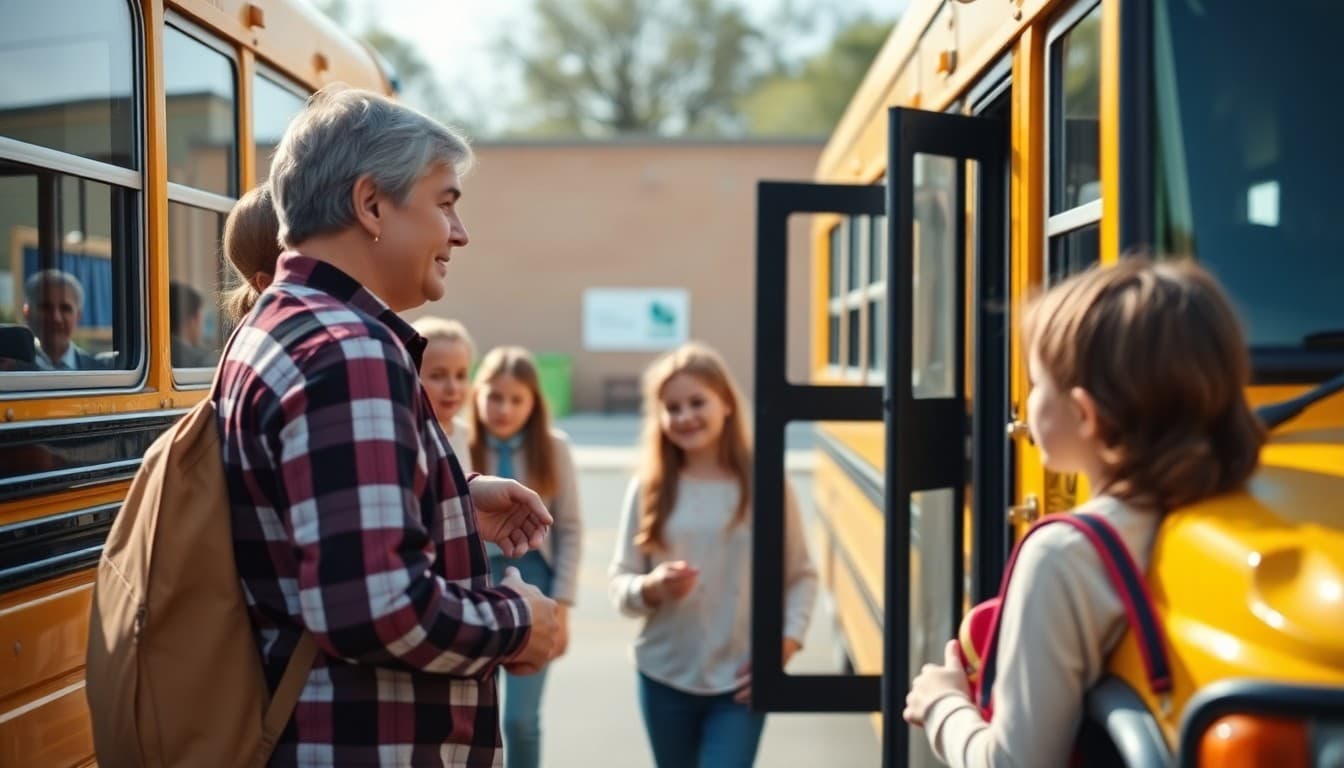
Rural schools are unlike any other educational setting. The school is often the social, cultural, and even economic center of its community. Many families have deep multigenerational roots in the area. And the principal is a visible community figure in a way that urban or suburban principals rarely are. A rural school principal newsletter that honors that context, that is part school update and part community newspaper, builds the kind of trust and connection that sustains rural schools through the enrollment challenges and resource constraints that many face.
Understand Who Your Families Are
Rural school families are not a monolith. Your community likely includes farming families, families who commute long distances to work, families with deep roots in the area, and newer arrivals who came for lower costs of living or proximity to nature. Understanding the specific composition of your school community shapes every communication decision: event timing, language level, content emphasis, and channel choice. A newsletter that reflects knowledge of the actual community reads very differently from a generic template.
Be the Community Newspaper
Many rural communities lack a local newspaper. The school newsletter can fill that function for the families it serves. Include community resource information: road closures that affect bus routes, county fair dates, local health clinic events, agricultural extension programs for families who farm. A section that goes beyond school news to genuine community information makes the newsletter worth reading even in weeks when nothing dramatic is happening at school.
Honor the Rural Identity Specifically
Rural communities have distinctive identities that deserve recognition rather than erasure. Farm-to-school programs, agricultural learning units, outdoor education opportunities, and connections to the local economy are genuine strengths of rural education. A newsletter that celebrates these specifically, rather than trying to replicate the content of a suburban school newsletter, honors what makes rural education distinctive: "Our 3rd graders visited the Collins family farm last week and learned about the crop rotation cycle firsthand. Mr. Collins has been hosting our class for 14 years. That kind of community partnership is something our students get that you cannot replicate in a classroom."
Address Technology and Access Honestly
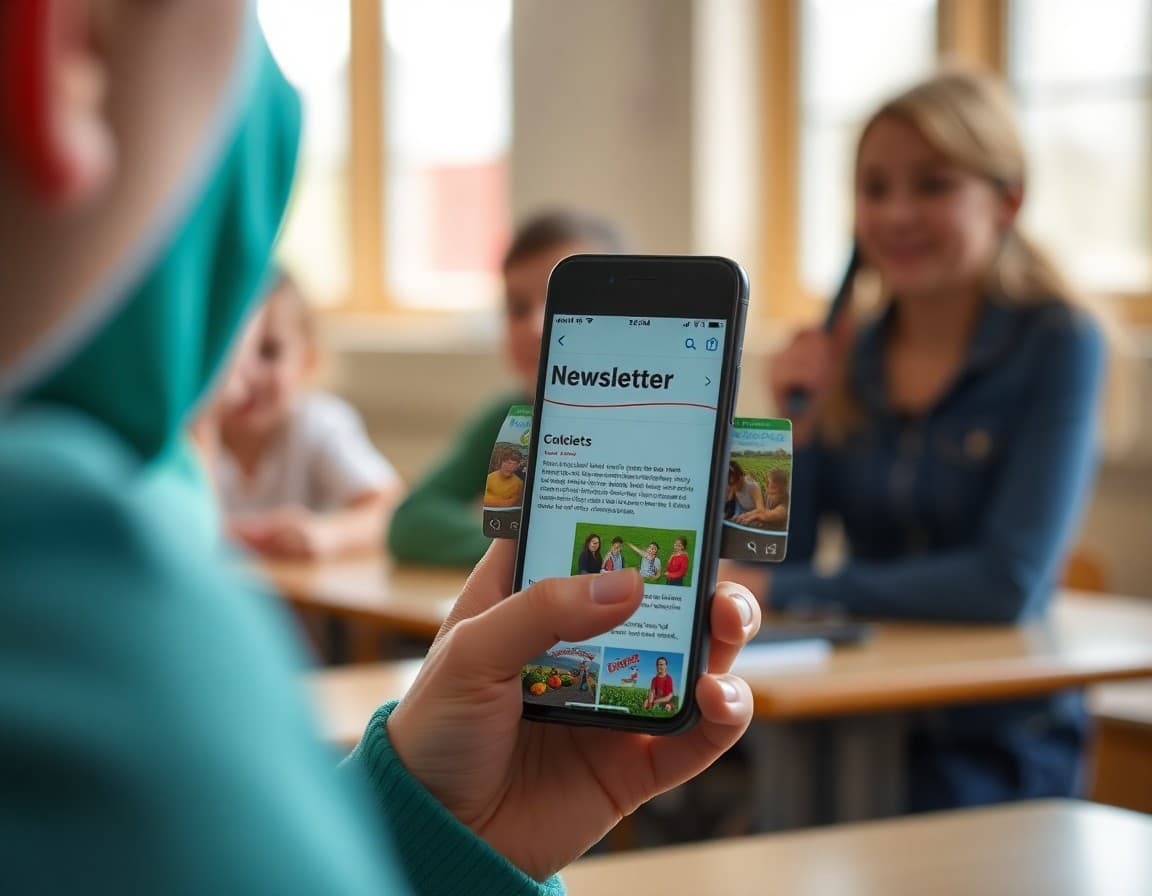
Internet connectivity varies significantly across rural areas, and a principal who pretends otherwise misses a significant portion of the community. Be explicit about how families can receive communications through multiple channels: "This newsletter is available by email, on our school website, and as a printed copy at the front office. For families with limited internet access, we also post key updates on our school Facebook page. If you have trouble receiving our communications, please call the office and we will find the format that works for your family."
A Template Excerpt for a Rural School Newsletter
"Hello from Jefferson Valley School. This week in our building: our 4th and 5th graders completed their fall ecology unit with a field study at the town reservoir. They identified 14 species of birds and collected water samples they are testing in the classroom. We hit a school attendance record: 96.3 percent this week. Thank you to the families who got their kids on the bus even on Tuesday when it was 12 degrees at pickup. Community update: the county health department is hosting free flu shot clinics at the school on November 10 from 2-6pm. Open to all community members. Next week: parent-teacher conferences, November 15 from 3-7pm. No school November 18 (conference makeup day). We will have coffee and school buses running on time. Hopefully."
Time Events Around Community Rhythms
Scheduling a major family event during harvest season in a farming community guarantees low attendance. Being explicit about your awareness of community rhythms is both practical and respectful: "We scheduled our spring parent night for April 9 specifically to fall before planting season begins in earnest. We know many families will have different availability by late April and May, and we want everyone to be able to come." That sentence communicates that you know and respect who your community is.
A rural school principal who treats the newsletter as a community document, who honors the distinctive identity of rural life, and who communicates across the access challenges of a spread-out geography builds one of the most loyal school communities in education. Rural families who feel known and respected by their school become its most fierce advocates.
Get one newsletter idea every week.
Free. For teachers. No spam.
Frequently asked questions
What are the unique communication challenges for rural school principals?
Rural schools often serve families spread across large geographic areas with varying internet access. Events require long travel times for families. Many rural families are farm or agricultural families with schedules that do not fit the Monday-to-Friday pattern. And the school is often the central community institution, which means its newsletter carries more weight than in suburban or urban contexts.
How do I reach rural families who have limited internet or cell service?
Use multiple channels: email newsletter for families with good connectivity, printed copies at the front office and local businesses for families who pick up students, and direct communication for families who need phone calls. A newsletter that is also SMS-friendly, with a short summary version, can reach families who rely on text messages rather than email.
How do I schedule school events in a way that works for agricultural families?
Avoid planting and harvest seasons for major family events. In many rural communities, spring planting runs April through May and fall harvest peaks in September and October. Scheduling major events during those periods means low attendance from farming families. Ask your community specifically when works best rather than assuming school-calendar convenience aligns with family schedules.
What role does a rural school newsletter play in community building?
A rural school is often the hub of its community. The newsletter serves as a community newspaper for many families: it is where they learn about school events, community news, resource opportunities, and the accomplishments of neighbors. A rural principal who treats the newsletter as a community document rather than just a school communication builds tremendous goodwill and relevance.
What newsletter tool works for rural schools with limited tech support?
Daystage is designed to be used by school leaders without technical staff, which makes it a good fit for rural schools where the principal often wears many hats. The simple layout builder, scheduling features, and reliable email delivery work well even when the person sending the newsletter is also managing the school, handling discipline, and covering a class.

Adi Ackerman
Author
Adi Ackerman is a former classroom teacher and curriculum writer with 8 years in K-8 schools. She writes about school communication, parent engagement, and what actually works in real classrooms.
More for Principals
Ready to send your first newsletter?
3 newsletters free. No credit card. First one ready in under 5 minutes.
Get started free