

Principal Newsletter: Communicating Student Technology Use Policies
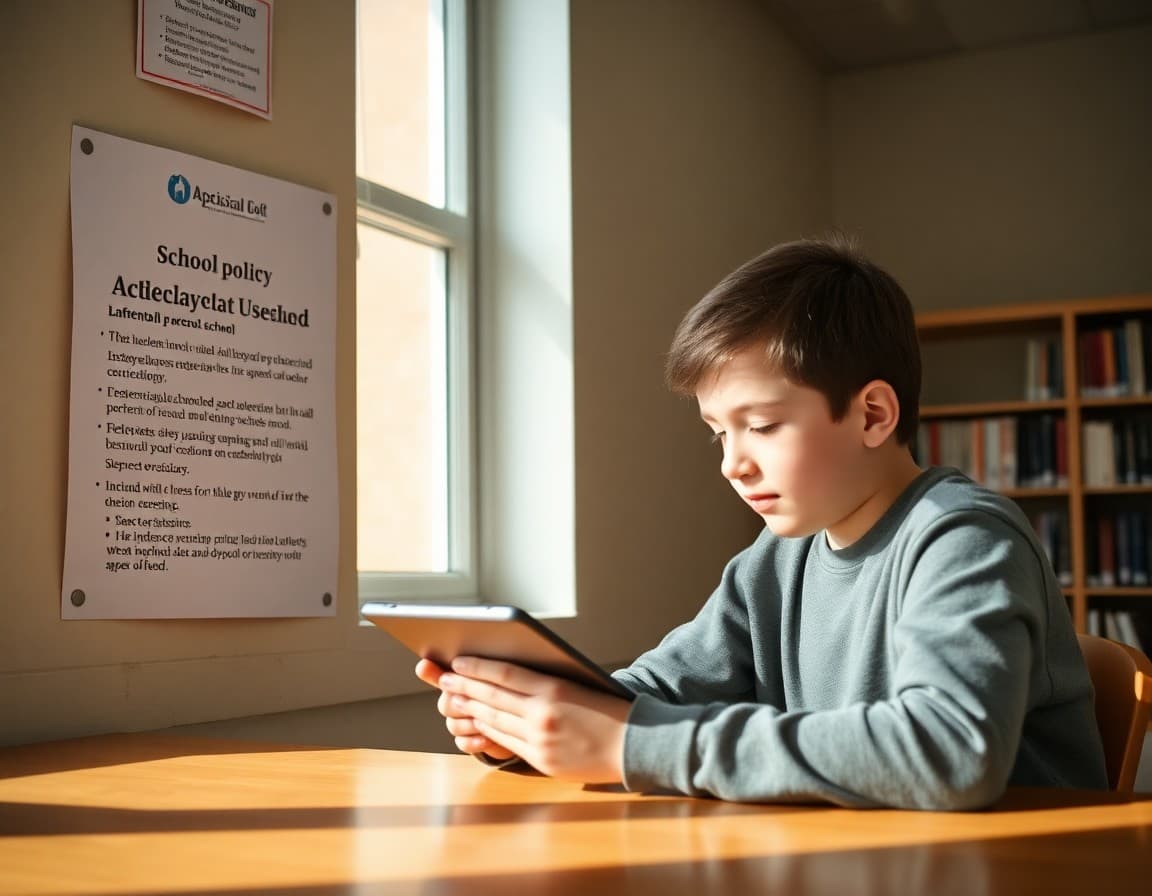
Technology policy newsletters are an opportunity to have a real conversation with families rather than just issuing a set of rules. Families are navigating the same questions at home. Your newsletter can be a resource, not just a compliance document.
What the Policy Actually Requires
Be specific. If cell phones must be stored away during instructional time, say exactly what that means: in a pocket, in a bag, in a designated classroom holder. If laptops are used for specific activities only, name those activities. If headphones are allowed during independent work but not instruction, say so. The more specific the description, the less room there is for the interpretation that leads to conflict between students and teachers.
Why This Policy Exists
Families who understand the reasoning behind a policy support it better than families who received a rule without context. If the cell phone policy exists because your school saw a significant relationship between phone access during class and reduced academic performance, say that and share whatever data you have. If it exists because social media use was generating interpersonal conflict that was spilling into the school day, name that. Real reasons are more persuasive than official-sounding policy language.
Addressing AI Tools
If you have not already published a standalone newsletter on AI and academic integrity, this is the place to include it. Name the specific tools that fall under your school's guidelines. Explain what constitutes appropriate use versus academic dishonesty in your context. Acknowledge that these tools are everywhere and that the goal is to teach responsible use rather than pretend they do not exist. Give families specific guidance about what to expect their child's teachers to say about AI in class.
How Violations Are Handled
Name the consequence for a first violation, a second, and an escalating series. Families who know in advance what happens when a rule is broken respond more calmly when their child receives a consequence. They are also better positioned to have a useful conversation at home about why the policy matters, because they understand the stakes before a violation occurs rather than learning about them during a frustrating call to the office.
Home Technology Guidance
School policies cover school time. Family policies cover everything else. Offer specific guidance families can use at home: no devices during homework time, phones charged outside the bedroom overnight, minimum age requirements for specific platforms, and the importance of keeping communication open about what students encounter online. Families who receive concrete guidance are more likely to implement it than families who receive vague instructions to monitor their child's technology use.
Using Daystage for Technology Communication
Daystage makes it easy to build a structured technology policy newsletter with clear sections for school rules, home guidance, and links to the full acceptable use agreement. You can require families to acknowledge receipt of the policy by clicking a confirmation link, which creates a record of communication for the school year.
Get one newsletter idea every week.
Free. For teachers. No spam.
Frequently asked questions
What should a principal newsletter about student technology use include?
Name the specific policies for device use during school hours. Describe what is allowed and what is not. Explain how violations are handled. Address AI tool use if it has not been covered elsewhere. Include guidance for families about technology at home.
How do you communicate a cell phone policy change in a principal newsletter?
Explain what the policy requires and why the school is implementing or changing it. Be specific about enforcement. Name what happens when students violate the policy. Give families a role in reinforcing it at home. Families who understand the reasoning support the policy more consistently than those who just received the rule.
How should a principal address AI tools and academic integrity in a technology newsletter?
Name the specific AI tools that are addressed by your policy. Explain what constitutes acceptable use versus academic dishonesty in your school's context. Acknowledge that students will encounter AI in their careers and that the goal is responsible use, not prohibition. Give teachers and students clear guidelines.
What home technology guidance should a principal newsletter include?
Sleep hygiene around device use, social media age requirements, digital footprint awareness, and the importance of family conversations about online activity. Families who receive specific guidance engage differently with their child's technology use than families who receive only the school policy.
What tool helps principals send newsletters efficiently?
Daystage lets you build a structured technology policy newsletter with clear sections, links to the full acceptable use agreement, and guidance for both families and students. You can track which families have seen the policy before the school year requires compliance.

Adi Ackerman
Author
Adi Ackerman is a former classroom teacher and curriculum writer with 8 years in K-8 schools. She writes about school communication, parent engagement, and what actually works in real classrooms.
More for Principals
Ready to send your first newsletter?
3 newsletters free. No credit card. First one ready in under 5 minutes.
Get started free