

Principal Newsletter: Introducing the Senior Class President to the Community
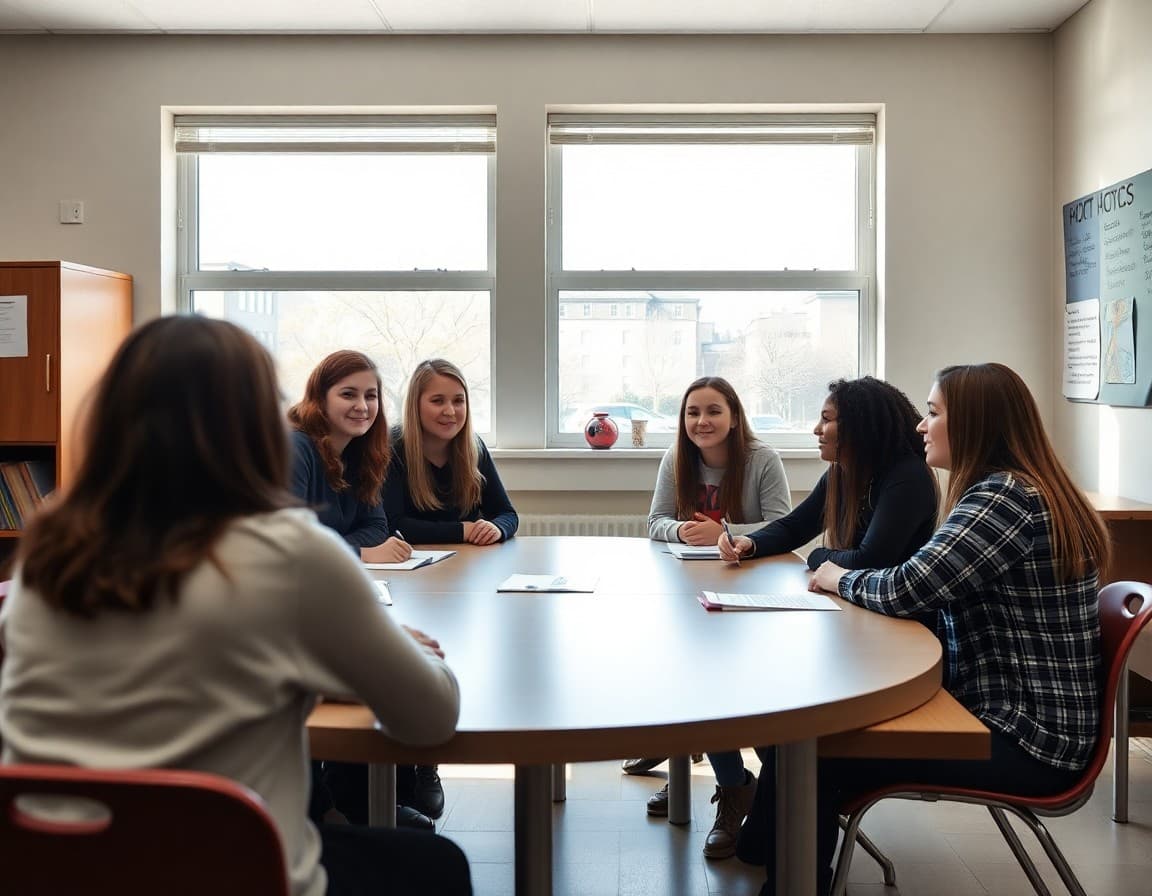
Senior class president introductions done well position student government as something real. Done poorly, they position it as a popularity contest that the school acknowledges but does not actually integrate into decision-making. Your newsletter is the signal about which kind of school you are running.
Who Was Elected and How
Name the senior class president and the full officer team. Describe how the election worked: who was eligible to run, how candidates were nominated, and how the vote was conducted. If the election involved candidate speeches or a platform, mention that. Families who understand that this was a meaningful democratic process view the elected leaders differently than those who assume it was a popularity vote with no substance.
What the Class President Actually Does
Be specific. In many schools, the class president role is broader than most families realize. Senior year planning for prom, senior trip, class gift, graduation activities, and senior week. Representing senior class concerns to the principal and administration. Attending school governance meetings where student voice is part of the discussion. Organizing class fundraising. Serving as a liaison between the student body and the faculty senate if your school has one. When families understand the scope of the role, they view the person in it with appropriate seriousness.
The President's Vision for Senior Year
Include a brief statement from the class president in their own words. What do they want to accomplish? What is their vision for the class's final year? This is the single most meaningful addition to a class president newsletter. A student who can articulate a vision for their classmates in writing demonstrates that the role was sought for reasons beyond the yearbook photo, and that matters to families and to the student's peers.
The Principal's Commitment to Student Leadership
Use this newsletter to name publicly what you are committing to in your relationship with student leaders. Something like: the senior class officers have a standing meeting with my office every two weeks. Their input will be included in planning for any event that directly affects the senior class, and they will have a real voice in the conversations that lead to those decisions. That kind of explicit commitment is what separates a principal who talks about student voice from one who actually practices it.
How to Connect with the Class President
Include the class president's contact information or a way for students to submit input to the class government. Student leaders who hear from their constituents represent them better. Families who see a mechanism for student voice feel more confident that the school takes student perspectives seriously.
Using Daystage for Student Leadership Communication
Daystage makes it easy to build a class president introduction newsletter with officer photos, role descriptions, a presidential statement, and a message from the principal. Send it at the start of senior year and build on it throughout the year as class government activities take shape. The newsletter series becomes a record of what student leadership accomplished in its time.
Get one newsletter idea every week.
Free. For teachers. No spam.
Frequently asked questions
What should a principal newsletter introducing the senior class president include?
Name the president and the full class officer team. Describe how they were elected. Share the president's goals for senior year. Explain what class officers do and how they work with school administration. Connect student government to real school decision-making.
How do you introduce a senior class president in a way that builds community trust in student leadership?
Be specific about what the class president's role actually includes. Student leaders who are seen as having real responsibilities and meaningful access to school decision-making earn more respect from peers and families than those who are perceived as figurehead positions.
What responsibilities do senior class officers typically have?
Planning senior year events including prom, senior trip, graduation activities, and senior week. Representing senior class interests to administration. Organizing class fundraising. Contributing to school improvement discussions through student government. The newsletter can describe the specific role at your school.
How does a principal build a productive relationship with student leaders through newsletter communication?
By publicly naming what authority and responsibility student leaders have. Principals who introduce class presidents with a clear description of their meaningful role signal that student voice is valued in the school's decision-making rather than accommodated as a courtesy.
What tool helps principals send newsletters efficiently?
Daystage makes it easy to build a student leadership introduction newsletter with photos of the officer team, descriptions of their roles, and a message from the principal that positions student government as a genuine part of school governance.

Adi Ackerman
Author
Adi Ackerman is a former classroom teacher and curriculum writer with 8 years in K-8 schools. She writes about school communication, parent engagement, and what actually works in real classrooms.
More for Principals
Ready to send your first newsletter?
3 newsletters free. No credit card. First one ready in under 5 minutes.
Get started free