

Principal Newsletter: Homecoming Court and Homecoming Week Communication
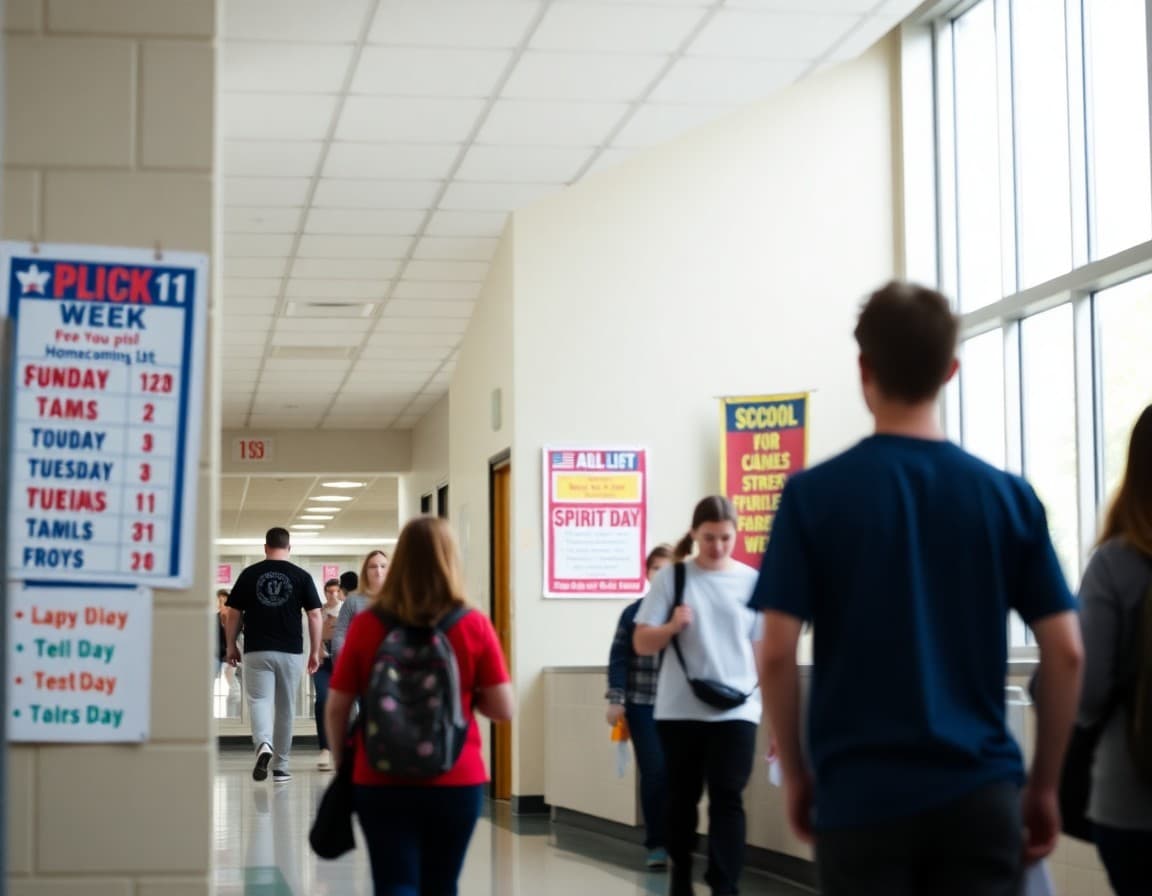
Homecoming week is one of the highest-energy school events of the year and one of the most logistically complex to communicate. Families need the full picture. Students need expectations set clearly before the week starts, not during it.
The Week's Schedule
Lead with the schedule. Spirit day themes for each day of the week, the pep rally date and time, the homecoming game schedule including kickoff time and ticket information, and the dance date, time, location, and ticket cost. Families who can see the full week at a glance plan around it. Families who receive fragments of information throughout the week feel like the school is communicating poorly even when individual pieces of information are technically correct.
Homecoming Court: The Process and the Announcement
Explain how court nominees were selected and how the voting process works. If your school has transitioned to gender-neutral titles or expanded the court format, explain the current model clearly. If the court will be announced at the game or pep rally, build anticipation without spoiling the announcement. Tell families who is eligible to vote and when voting closes. The court is often the most emotionally charged part of homecoming, and clear communication about the process reduces the questions that follow when the announcement surprises someone.
The Homecoming Dance
Date, time, location, ticket price, and whether tickets are pre-sold or available at the door. Dress code with specific examples: formal, semi-formal, or casual. What is and is not allowed in terms of dress. Re-entry policy if students step outside the venue. Guest policy if outside students are allowed. Chaperone presence and how it is organized. Families who have this information in advance prepare their students for what to expect. Students who arrive understanding the expectations have fewer conflicts with chaperones at the entrance.
Safety and Behavior Expectations
State them directly. No alcohol or substances before or during the dance. Students who arrive appearing impaired will not be admitted. Dancing expectations if your school has specific guidelines. What happens if a student is removed from the event. The parents' responsibility if their child is removed early. These expectations belong in the newsletter so families can discuss them with their students before the event rather than discovering them when the school calls to say their child needs to be picked up.
Academic Expectations During the Week
Homecoming week can create an attention vacuum. If your school expects students to maintain their academic commitments despite the excitement, say so. If teachers are planning to hold major assessments during homecoming week, families benefit from knowing that so they can support their student in balancing the two.
Using Daystage for Homecoming Communication
Daystage makes it easy to build a homecoming week newsletter with a spirit day schedule, court announcement details, dance logistics, and behavior expectations in one organized communication. Send it at least two weeks before the week begins. A follow-up reminder the weekend before the game and dance captures families who missed the first send.
Get one newsletter idea every week.
Free. For teachers. No spam.
Frequently asked questions
What should a principal newsletter about homecoming week include?
Name the week's spirit days, the homecoming court announcement or voting process, the game schedule, the dance details, and any academic or behavioral expectations that apply during homecoming week. Address dress code for the dance and ticket information.
How do you communicate homecoming court nominations and voting in a way that is inclusive?
Describe the eligibility and voting process transparently. If your school has modernized its homecoming court to include gender-neutral titles or multiple categories, explain the change and its rationale. Acknowledge the tradition while being clear about the current format.
What safety and behavior expectations should a homecoming newsletter address?
Dance dress code with specific examples of what is and is not acceptable. Alcohol and substance policy. Re-entry rules after leaving the dance. Chaperone information. What happens if expectations are violated. These details prevent the confrontation at the door that starts the dance on a bad note for everyone.
How do principals address families who are concerned about homecoming exclusions?
If your homecoming court or homecoming dance has historically excluded or marginalized specific groups of students, address that history directly and describe what has changed. Families and students who see the principal acknowledging and correcting exclusionary practices are more likely to trust and participate in the event.
What tool helps principals send newsletters efficiently?
Daystage makes it easy to build a homecoming week newsletter with a spirit day schedule, court announcement, dance details, and behavior expectations in one organized communication.

Adi Ackerman
Author
Adi Ackerman is a former classroom teacher and curriculum writer with 8 years in K-8 schools. She writes about school communication, parent engagement, and what actually works in real classrooms.
More for Principals
Ready to send your first newsletter?
3 newsletters free. No credit card. First one ready in under 5 minutes.
Get started free