

Principal Newsletter: Student Leadership Conference Announcement and Recap
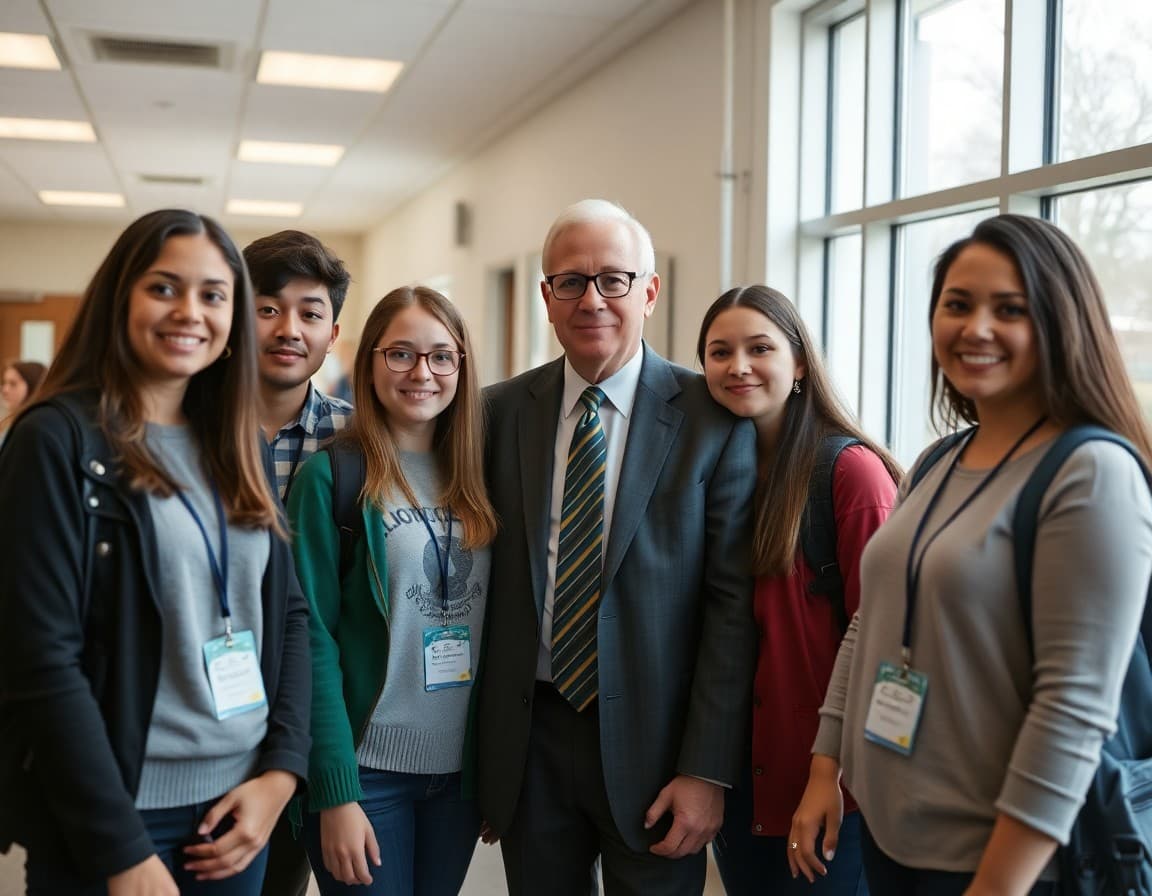
A student leadership conference is an investment: in the student, in the school, and in the leadership culture you are trying to build. How you communicate about it before and after determines whether the school community sees it as a privilege for a few or as a program that benefits everyone.
The announcement newsletter
Your first newsletter should cover the conference name and focus, the selection process, the dates and location, the cost and any financial support available, and what students are expected to contribute after they return. This framing sets the conference up as a school investment, not a personal reward.
The selection process
Whether you use teacher nominations, student applications, or student government positions, explain the process in your newsletter. A clear, transparent selection process generates more buy-in from families who were not selected than a vague announcement that certain students are attending.
Financial access
If the conference has a cost, include financial support information in the same sentence as the cost. Not in a footnote. Not in a separate section. A family that knows immediately whether cost assistance is available can decide whether to apply without an extra step.
What students will do there
Name the activities and workshops in your newsletter. Students will attend sessions on project management, community organizing, and ethical leadership. They will connect with student leaders from 40 schools across the state. Specific descriptions make the value concrete to families who have never attended a leadership conference themselves.
Post-conference newsletter
The most important newsletter in the leadership conference cycle is the post-conference one. Include a student quote about what they learned. Name what project or change the student plans to bring back to the school. A photo from the conference. This newsletter closes the loop and builds the narrative that the investment was worth it.
Building toward a leadership program culture
Consistent recognition of student leadership across the year, not just at conference time, builds a culture where leadership is a school value. Your newsletter is the ongoing vehicle for that recognition.
Get one newsletter idea every week.
Free. For teachers. No spam.
Frequently asked questions
What should a principal include in a student leadership conference newsletter?
The name of the conference, when and where it is, how students were selected or can apply, what students will do there, what the cost is and whether financial support is available, and what students are expected to contribute to the school after returning. Families want logistics and rationale.
How do principals select students for leadership conferences?
Application-based selection, teacher nominations, student government roles, or open enrollment depending on the conference format and cost. Your newsletter should explain whichever model you use and why. Unexplained selection processes create resentment. Explained criteria create motivation.
How should a principal communicate about financial assistance for conferences?
Include the cost and the availability of assistance in the same paragraph. If cost assistance is available, explain how to request it without creating a separate application process. Families who qualify for assistance need to know about it at the same time as the announcement, not as an afterthought.
What should students do after a leadership conference to benefit the school community?
Share what they learned. Present to student government, the school community, or their advisors. Implement one idea or project inspired by the conference. Your newsletter should explain this expectation so families understand the conference is an investment in school leadership, not a field trip.
How can Daystage help principals celebrate student leadership?
Daystage makes it easy to include photos from student conferences and quotes from student participants in the newsletter. A post-conference newsletter that features a student's reflection on what they learned communicates the school's investment in leadership development more powerfully than any administrative description.

Adi Ackerman
Author
Adi Ackerman is a former classroom teacher and curriculum writer with 8 years in K-8 schools. She writes about school communication, parent engagement, and what actually works in real classrooms.
More for Principals
Ready to send your first newsletter?
3 newsletters free. No credit card. First one ready in under 5 minutes.
Get started free