

Principal Newsletter: Celebrating Science Olympiad and STEM Achievement
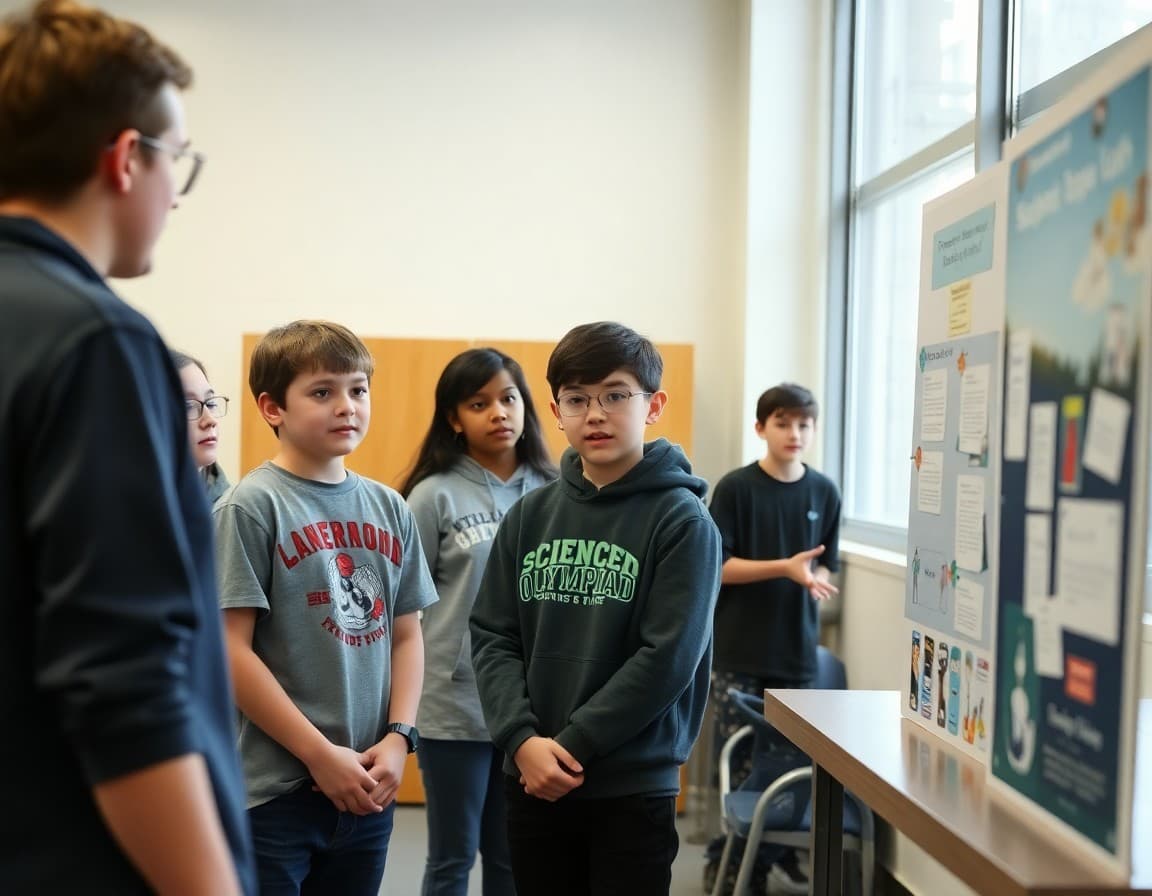
Science Olympiad is a rigorous academic competition that most of your school community does not fully understand. Your newsletter is the explanation and the celebration at the same time.
What Science Olympiad Actually Is
Start by explaining the competition to families who are not familiar with it. Science Olympiad is a team academic competition where students prepare for specific events covering a range of science disciplines: biology, chemistry, physics, engineering, earth science, and more. Teams of fifteen compete in twenty-three events over one or two days. Students specialize in specific events and prepare for months. This is not a science fair. It is a comprehensive, highly competitive academic athletic event. Families who understand what it involves appreciate the achievement differently.
What Your Team Did
Name the specific events your students competed in. Where did they place? Were there individual event medals? Did any student or pair finish in the top ten at regionals or state? Name it all. Science Olympiad results are granular enough that you can celebrate specific achievements even if the team's overall placement was not at the top. The student who built the most accurate disease detective case deserves recognition even if the team did not medal overall.
What Preparation This Required
Families who were not directly involved often underestimate the commitment. Science Olympiad teams typically meet weekly for months, with additional preparation at home for individual events. Tell families what the team put in. Saturday practice sessions. After-school study groups. Nights spent building the boomilever or designing the trajectory device. The recognition means more when the work behind it is visible.
Recognizing Coaches and Volunteers
Science Olympiad coaches are almost always volunteers. They give significant time and often their own resources to run the program. Name them publicly and thank them specifically. Families of team members know how much the coaches contribute. Families of non-team members need to see that your school has adults who volunteer for this kind of work. That visibility matters for recruiting the next generation of coaches too.
Building Broader STEM Interest
Use the newsletter to invite future participants. Name the specific events that might appeal to different student interests: a student who loves building things might love the engineering events. A student obsessed with disease and medicine might love the experimental design events. A student who has a great memory for facts might thrive in the earth science or ecology events. Specific event descriptions convert curious students into next year's tryout attendees.
Using Daystage for STEM Achievement Communication
Daystage makes it easy to build a Science Olympiad newsletter with competition photos, event results, team recognition, and a program interest form for students who want to join next year. You can track family engagement to see which families are most responsive to STEM-focused content and use that data to build your program outreach strategy.
Get one newsletter idea every week.
Free. For teachers. No spam.
Frequently asked questions
What should a principal newsletter about Science Olympiad include?
Name the team, the events they competed in, their results, individual standout performances, and what the competition required of them. Thank the coaches and parent volunteers. Connect the achievement to your school's STEM goals. Announce what is coming next for the program.
How do you write about Science Olympiad results when the team did not place highly?
Focus on what students accomplished and learned, not just final placement. Science Olympiad requires months of specialized preparation across diverse events. A team that competed with full preparation and showed up to compete seriously has accomplished something real regardless of the final ranking. Name specific events where students performed strongly.
How do you build broader student interest in Science Olympiad through newsletter communication?
Describe the specific skills and knowledge areas the competition covers. Name the events in plain language. Tell families how students can try out or join. Students who see specific, interesting challenges are more likely to want to participate than those who receive a generic invitation to join a science team.
Should the Science Olympiad newsletter be school-wide or targeted to science families?
School-wide. Science Olympiad results are a school achievement, and the newsletter is an opportunity to build STEM culture broadly. A student who has never thought about Science Olympiad before might read about a bridge-building event and want to try. That kind of interest conversion starts with wide communication.
What tool helps principals send newsletters efficiently?
Daystage lets you build a STEM achievement newsletter with competition photos, event descriptions, team recognition, and a program interest form. You can send it school-wide and track engagement to see which families are most responsive to STEM content.

Adi Ackerman
Author
Adi Ackerman is a former classroom teacher and curriculum writer with 8 years in K-8 schools. She writes about school communication, parent engagement, and what actually works in real classrooms.
More for Principals
Ready to send your first newsletter?
3 newsletters free. No credit card. First one ready in under 5 minutes.
Get started free