
Principal Newsletter: STEM Fair Invitation and What Families Should Know
The STEM fair invitation newsletter has one primary goal: get families to show up. The secondary goal is to make sure they understand what they are coming to see, because families who understand it engage with it rather than walking politely past display boards they cannot interpret.
What Families Will See
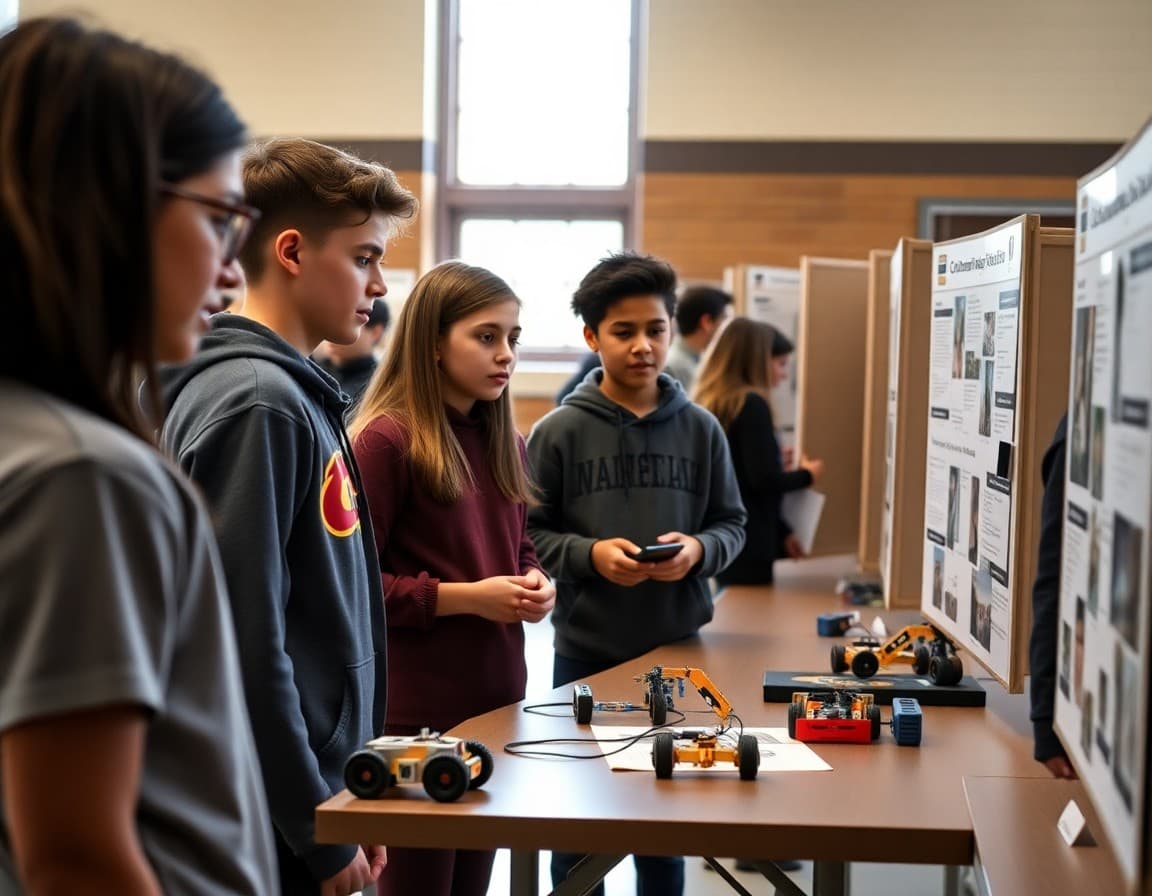
Describe the fair without giving away specific student projects. There will be engineering design projects where students built working prototypes to solve real problems. Coding projects where students created apps, games, or automated systems. Scientific investigations that tested a hypothesis with original data collection. Mathematical investigations that explored patterns or proved conjectures. This range of project types signals that the STEM fair is broader than the traditional science fair most adults remember from their own school years.
How Students Present Their Work
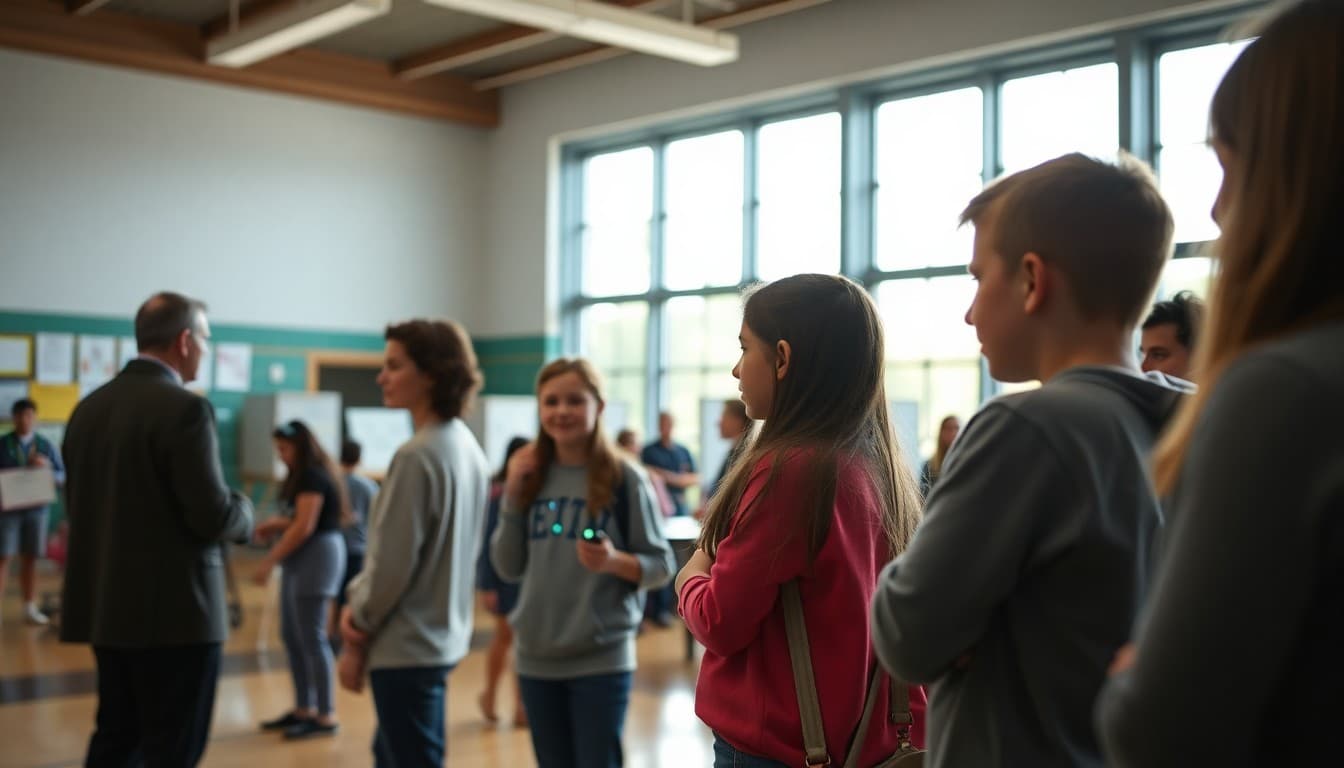
Tell families what the experience will look like. Students stand with their projects and explain their work to visitors and judges. There is typically a judging period followed by an open viewing period. Families who arrive during open viewing can walk through the projects freely, ask students questions, and see what their child's classmates have been working on. Students who present their work to a real audience build communication skills alongside the technical skills the project required.
The Evaluation Criteria
If there are awards or recognition, describe what judges are looking for. Scientific rigor, engineering design process, originality, communication skills, and the ability to explain methodology and results are typical criteria. Families who understand what is being evaluated appreciate the recognition that follows. Students who understand the criteria in advance are more likely to prepare their presentations effectively.
How Families Supported the Work
Acknowledge the family role. Many students completed the majority of their STEM fair project at home, often with family assistance in finding materials, asking questions about methodology, or serving as an audience for practice presentations. Thank families for that support specifically. It validates the effort they put in and reminds them that their involvement in their child's academic projects matters.
What Makes This Year's Fair Significant
Name something specific about this year. A new project category. A visiting scientist who will be judging. A partnership with a local company that provides mentors. A student who is advancing to a regional or state competition. These specific details make the fair feel like a real event in your school's story rather than a recurring annual obligation.
Using Daystage for STEM Fair Communication
Daystage makes it easy to build an engaging STEM fair invitation newsletter with event details, project descriptions, and an RSVP option. Schedule it two weeks before the fair and follow up with a reminder the week before. Tracking RSVPs helps you prepare for the number of families expected and ensures the fair space is arranged appropriately.
Get one newsletter idea every week.
Free. For teachers. No spam.
Frequently asked questions
What should a principal newsletter about the STEM fair include?
Date, time, location, and what families will experience when they arrive. What types of projects are included. How students are evaluated. Whether there are awards. How families can support their child's participation. What the broader STEM fair goals are for the school.
How does a STEM fair differ from a traditional science fair?
A STEM fair typically includes engineering design challenges, coding projects, mathematical investigations, and technology-based innovations alongside traditional science inquiry. The broader scope reflects the interdisciplinary nature of modern technical work and invites more students to participate because more types of projects are included.
How do you encourage families to attend the STEM fair?
Tell them specifically what they will see. Name a few types of projects without spoiling individual entries. Describe the student presentation format and whether judges or peer visitors interact with presenters. Tell families how long the fair runs and whether there is anything specifically timed they should attend.
What do student STEM fair projects typically investigate?
Research questions comparing variables, engineering design challenges with a defined problem and constraints, technology projects demonstrating a coded solution, and mathematical investigations examining patterns or proofs are all common formats. Describing these in the newsletter helps families understand the range of what their child might have worked on.
What tool helps principals send newsletters efficiently?
Daystage makes it easy to build a STEM fair invitation newsletter with event details, project descriptions, and family attendance guidance. You can include an RSVP option and track family interest in attending.

Adi Ackerman
Author
Adi Ackerman is a former classroom teacher and curriculum writer with 8 years in K-8 schools. She writes about school communication, parent engagement, and what actually works in real classrooms.
More for Principals
Ready to send your first newsletter?
3 newsletters free. No credit card. First one ready in under 5 minutes.
Get started free