
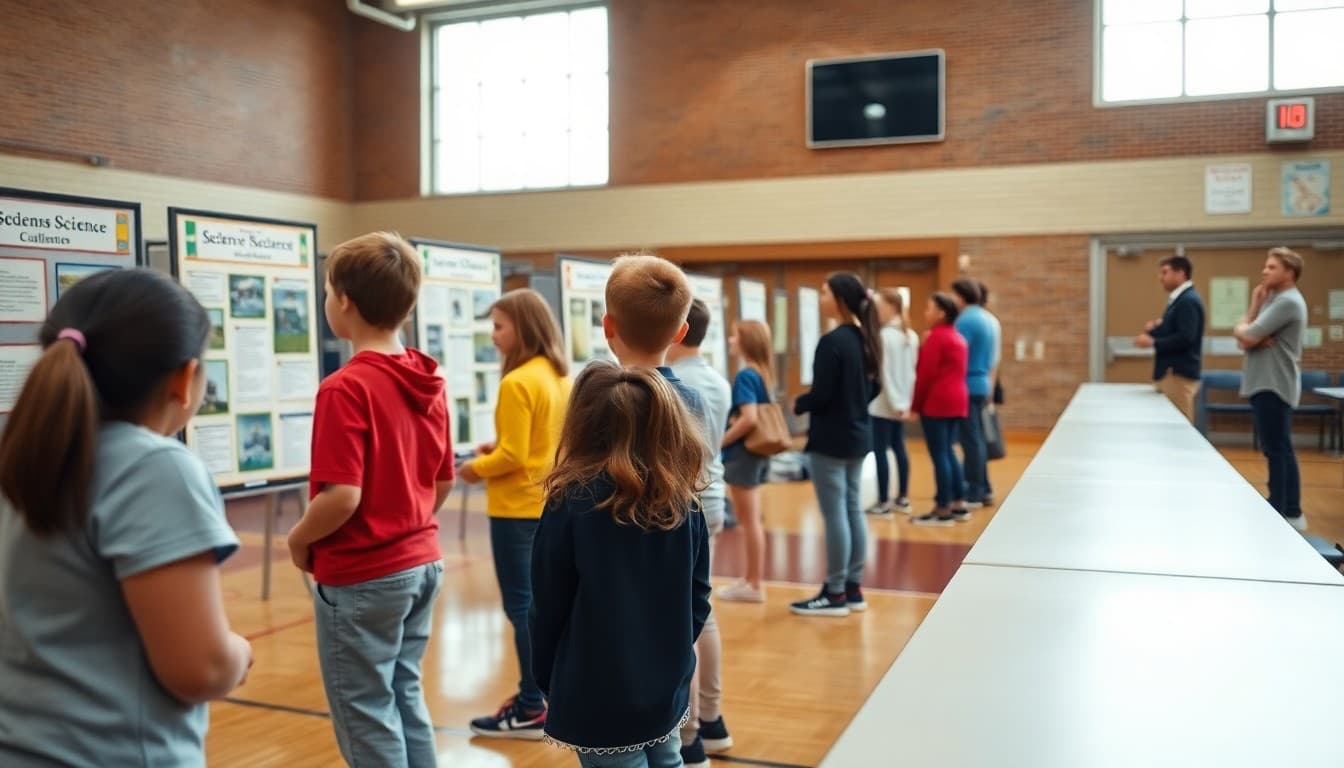
Principal Newsletter: Science Fair Announcements and Recaps
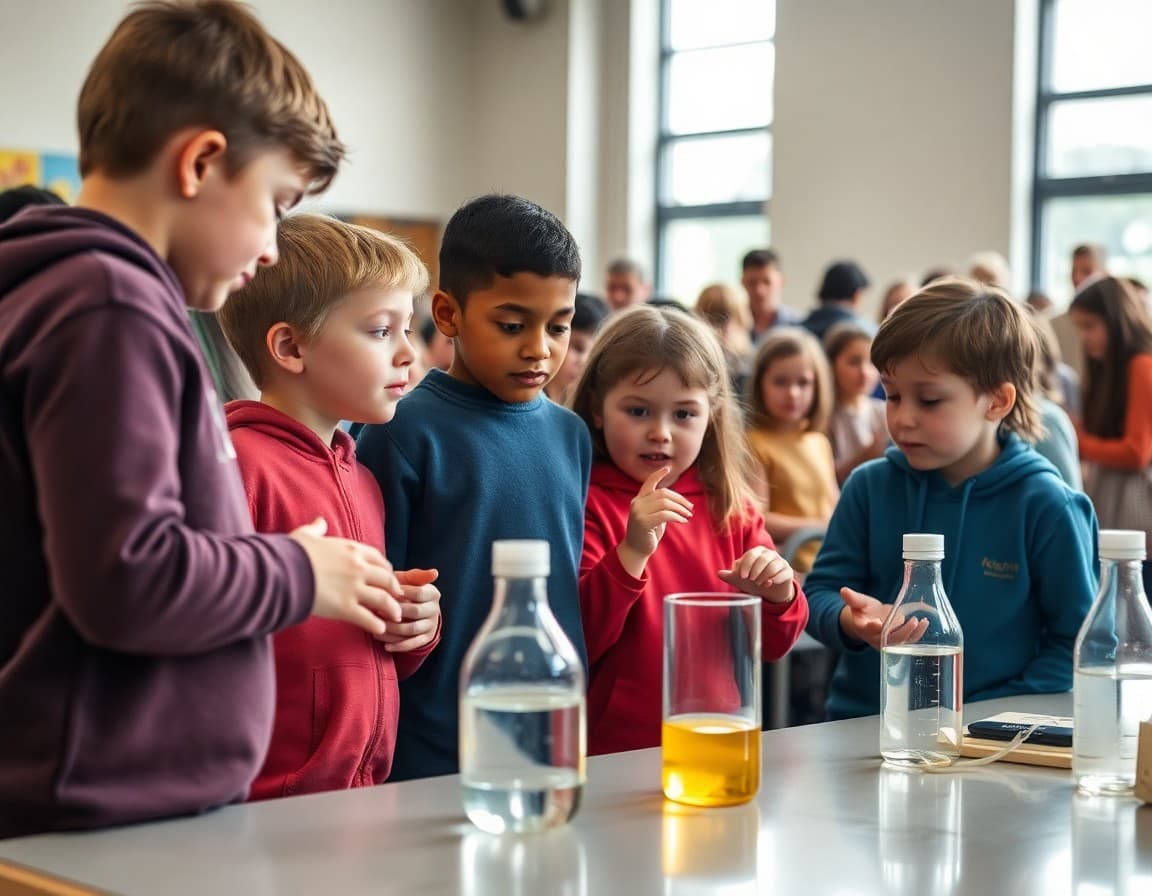
Science fairs are high-visibility events with a lot of moving parts and a lot of parent anxiety. The principals who handle them well send the right information at the right times, and they address the elephant in the room before back-to-school night: who is actually building these projects.
The announcement newsletter: eight weeks out
Your first science fair newsletter should cover grade level requirements, whether participation is required or optional, project format requirements, the judging date, and when students will receive teacher support. Eight weeks gives families time to plan without giving so much lead time that the newsletter gets forgotten.
Include the judging rubric or a link to it. Parents who understand the criteria from the start set their child up for a more genuine project experience. Parents who find out about the rubric in week seven tend to panic and take over.
Addressing parent involvement honestly
You know it happens. Some families will build the project for the student. Address this in your newsletter with specificity: judges are trained to look for age-appropriate work and ask students direct questions about their methods. A fifth grader who cannot explain their methodology loses points regardless of how polished the poster is.
This is not about shaming families. It is about setting the expectation that the student benefit from the fair only comes through the student doing the work.
Volunteer judge recruitment in the newsletter
Science fair judges work best when they come from outside the school. Community members, local company employees, or university science faculty make excellent judges. Your newsletter is the fastest way to recruit them. Include a brief description of the time commitment, the date, and a clear signup link.
Logistics newsletter: one week out
One week before the fair, send a short newsletter with exactly what families need to know: setup time, public viewing hours, parking information, and whether children should bring a snack or eat first. If the fair is after school, say when it ends. These logistical details generate more questions than any other part of the event.
The recap newsletter: the day after
Photos, winner recognition, and a total participation count. Keep it short. The goal is celebration and closure. Thank the judges, thank the families, and preview next year if you have plans to expand the program.
Using the science fair to support school STEM narrative
Your science fair newsletter is a natural place to mention broader STEM initiatives: engineering challenges, coding classes, the science lab renovation. Families who connect the fair to a schoolwide commitment to science education see it as part of something larger than one event per year.
Get one newsletter idea every week.
Free. For teachers. No spam.
Frequently asked questions
When should a principal send the science fair newsletter?
Eight weeks before the event for the initial announcement. Four weeks out for a reminder with the project rubric. One week before for logistics. The day after for a recap and photos. Four touchpoints keeps families engaged without overloading inboxes.
What project information do parents need in the newsletter?
Grade level participation requirements, project format and materials guidelines, the judging rubric or criteria, and exactly how students will get help from teachers before the due date. Parents who know what support exists are more likely to let students lead the work.
How do you manage the parent over-involvement problem with science fairs?
Address it directly in the newsletter. Explain what student-led work looks like and why judges look for that specifically. A brief paragraph that says judges are trained to spot parent-built projects and that student ownership is what earns the highest scores sets expectations clearly.
What should a principal include in the post-event science fair newsletter?
Photos, winner names and project titles, a sentence about total participation, and a thank-you to volunteer judges. Keep it to one short newsletter. The recognition matters more than the length.
How does the science fair support STEM goals for the school?
It gives students visible practice with the scientific method: forming a question, designing a test, collecting data, and presenting results. Principals who frame the fair this way in their newsletter get more parent buy-in than principals who sell it as a competition.

Adi Ackerman
Author
Adi Ackerman is a former classroom teacher and curriculum writer with 8 years in K-8 schools. She writes about school communication, parent engagement, and what actually works in real classrooms.
More for Principals
Ready to send your first newsletter?
3 newsletters free. No credit card. First one ready in under 5 minutes.
Get started free