
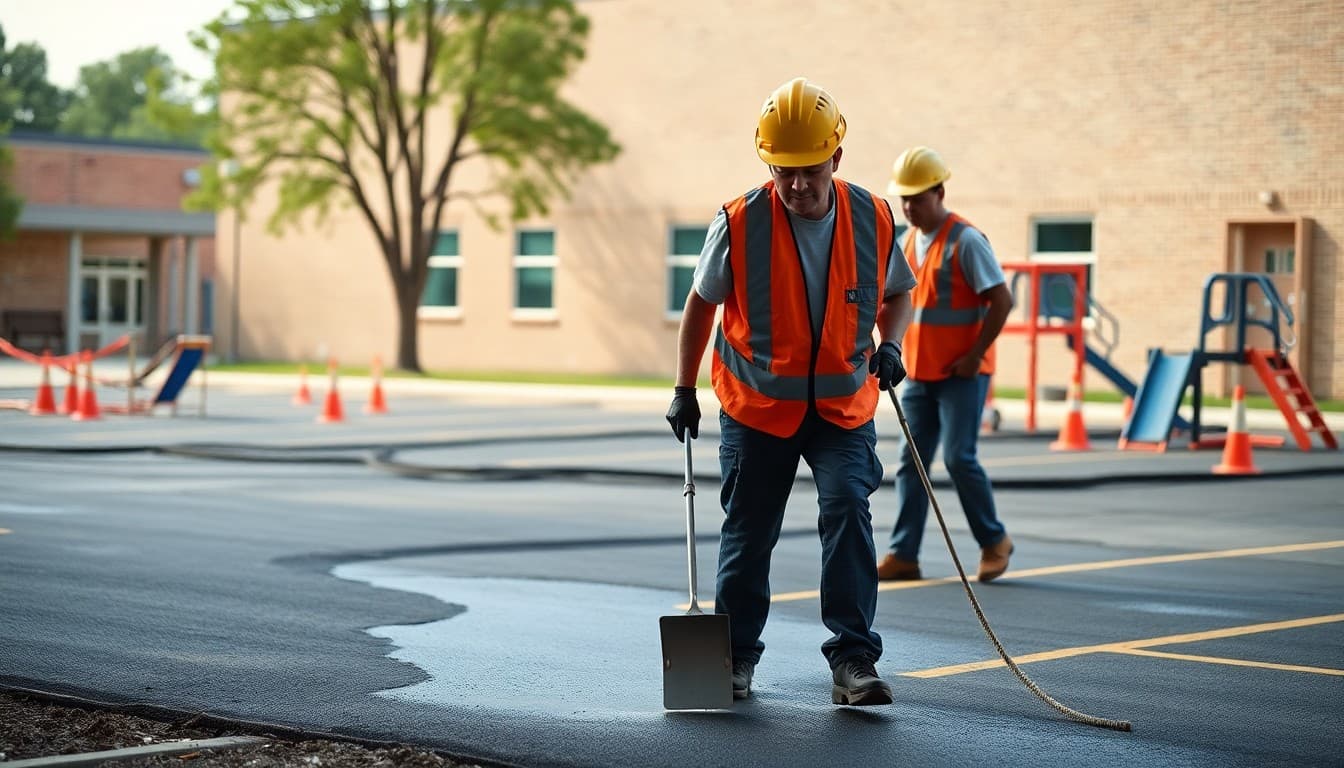
Principal Newsletter: School Facility Improvement and Construction Communication
Facility projects are among the most frequently under-communicated events in school life. A parent who arrives to find the parking lot under construction and no advance notice has been failed by communication, not by the construction crew. Your newsletter is the prevention.
Before the project starts: the planning newsletter
As soon as a facility project is confirmed and scheduled, send a newsletter. Include the project scope, the timeline, which areas of campus are affected, how student access and schedules change, and the contact for questions. Families who receive advance notice are inconvenienced. Families who are surprised are angry.
Traffic and access communication
Construction changes to campus access are among the most confusing communications to receive. Include specific directions: the south parking lot is closed. Use the north entrance on Maple Street. Bus riders board at the temporary stop on Cedar Avenue, two blocks north of the school building. A map in the newsletter is worth ten paragraphs of directions.
Student safety during construction
Name the safety protocols in your newsletter. Construction areas are fully fenced. Workers are not permitted in student areas during school hours. All visitors still check in through the main office. Families who see specific safety measures in writing are reassured. Families who receive no safety communication during construction are worried.
When projects run long
Construction projects almost always run longer than planned. When a project extends beyond the original timeline, send a newsletter update explaining the revised schedule and any additional changes to access or schedule. Families who are updated regularly accept delays better than families who receive silence.
Celebrating the completion
When a facility project is finished, send a newsletter with photos of the new space. A repaved playground, a renovated library, a new science lab. Families who see the finished product understand what the construction disruption was for. The before-and-after framing in the newsletter closes the story.
Connecting facility investments to student experience
Your newsletter should connect facility improvements to what students will do in the new or improved space. The new library space gives our students access to 2,000 more books and a maker space for science projects. The repaved playground allows for safe physical education year-round. These connections make facility investments feel like educational decisions.
Get one newsletter idea every week.
Free. For teachers. No spam.
Frequently asked questions
What should a principal include when announcing a school construction or renovation project?
The project scope, the timeline, what areas will be affected, how students will be impacted, and who to contact with questions. Construction communication that does not address student safety and schedule impact immediately is incomplete.
How should a principal communicate about traffic and access changes during construction?
Include a map or clear directions to modified entrance and exit routes. Specify how car riders, bus riders, and walkers are affected. Communicate any temporary rule changes, such as no access to certain parking areas, in bold so families cannot miss them.
How do principals communicate about summer construction projects that are not complete when school opens?
Proactively. If a summer project will delay the start of any school area, your back-to-school newsletter must address it before families arrive to find construction tape across the gym entrance. Name the delay, the expected completion date, and the contingency plan.
How should a principal address noise and disruption from nearby construction?
Acknowledge the disruption honestly. Construction noise will be audible in classrooms adjacent to the east wing between 7 and 11 am through March. Teachers in those classrooms are using noise-canceling headphones and scheduling noise-sensitive activities for the afternoon. A specific plan for managing the disruption is more reassuring than a vague promise that it will be handled.
How can Daystage help principals manage facility communication?
Daystage lets principals send targeted newsletters to the specific families affected by a facility change, such as families whose children use the east entrance, rather than blasting the whole school with information only relevant to some. Targeted communication reduces the noise that causes families to stop reading.

Adi Ackerman
Author
Adi Ackerman is a former classroom teacher and curriculum writer with 8 years in K-8 schools. She writes about school communication, parent engagement, and what actually works in real classrooms.
More for Principals
Ready to send your first newsletter?
3 newsletters free. No credit card. First one ready in under 5 minutes.
Get started free