
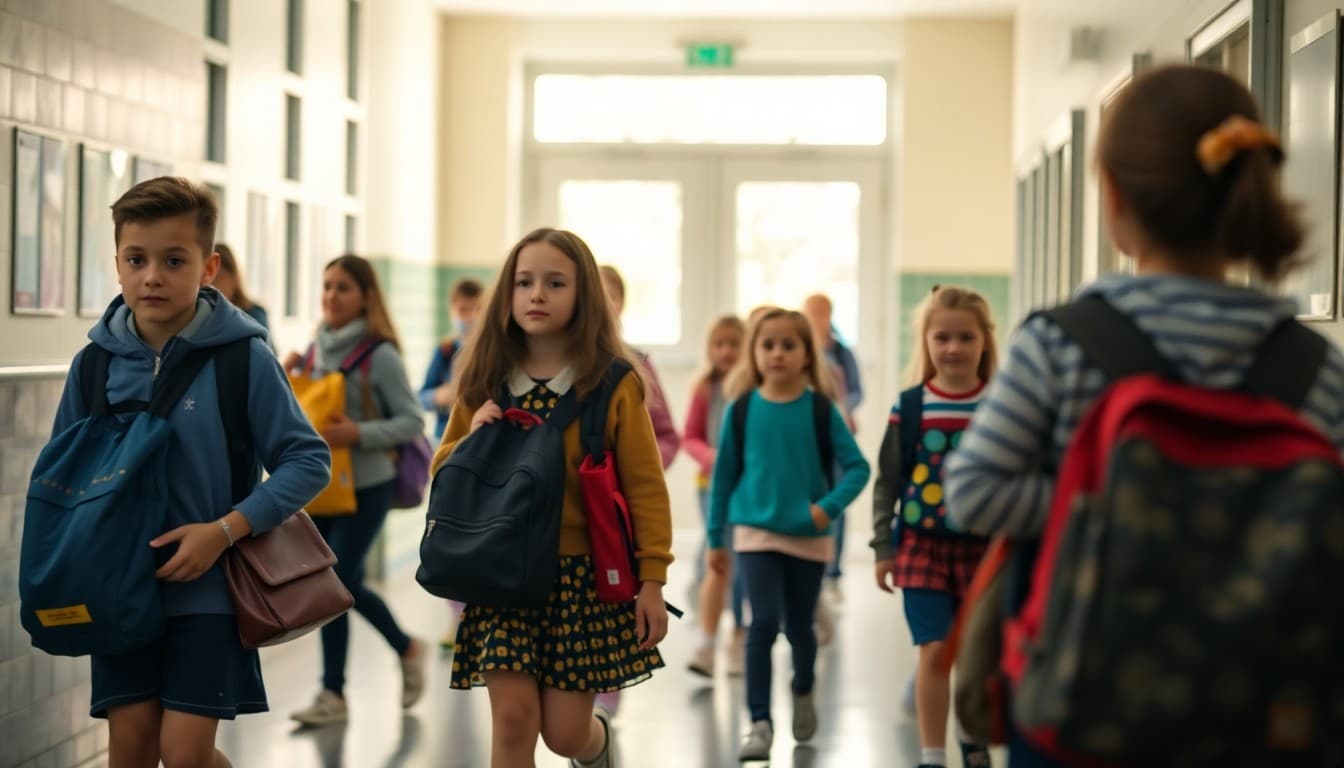
Principal Newsletter: Communicating School Reopening to Families
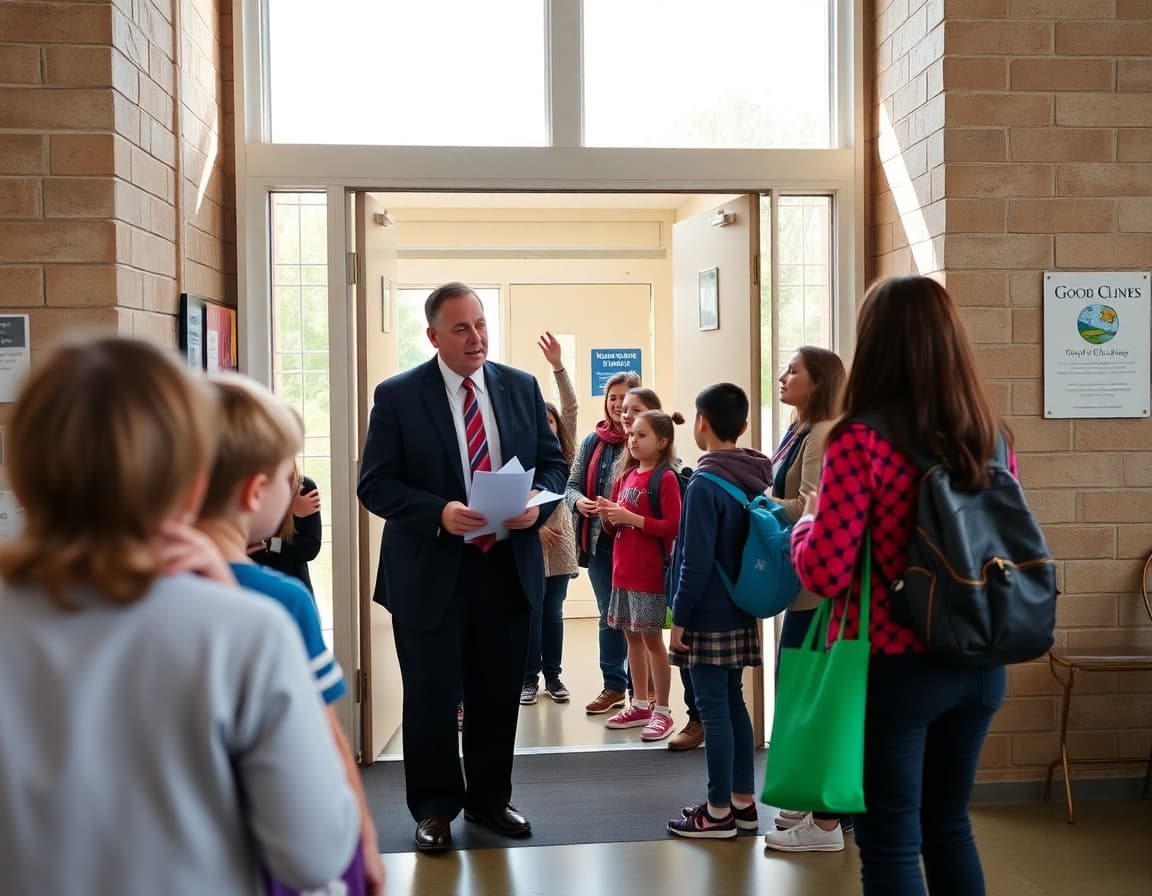
A school reopening newsletter carries the weight of everything that happened during the closure. Families who were anxious, frustrated, or uncertain during the time away need more than a date. They need confidence that returning is safe and that the situation that caused the closure has been genuinely resolved.
State the Return Date and Time First
The first sentence should be the date school resumes and the time the building opens. Families reading this newsletter are looking for one thing before anything else: when do we come back? Give them that answer in the first line. Everything else in the newsletter supports and contextualizes that date.
Describe What Was Done During the Closure
Families who understand what the closure accomplished feel differently about the return than families who just received a resumption date. One paragraph explaining the issue, the actions taken, and the confirmation that the situation has been resolved gives families a coherent narrative. The school did not simply close and then reopen. Something specific was addressed. Name it.
Describe Any Changes to Normal Operations
Reopening after a closure sometimes involves adjusted protocols, modified schedules, or temporary changes to normal operations. Name every change that affects families. Different arrival times. New check-in procedures. Modified lunch schedules. Changed dismissal arrangements. Families who arrive expecting the normal routine and encounter something different generate confusion at the worst possible time, the first minutes back.
Address What Families Are Worried About
You know what families have been asking during the closure. Answer those questions directly in the newsletter. If the closure was weather-related, address building safety. If it was health-related, address the public health clearance. If it was a facilities issue, describe what was repaired and how it was verified. The questions that were flooding your inbox during the closure are the questions the newsletter should answer before families have to ask again.
Acknowledge the Disruption
A brief acknowledgment that the closure was disruptive for families is appropriate and appreciated. Families who feel that the school understands the inconvenience are more forgiving of the operational realities of returning. This is one sentence, not an apology. You are naming the reality that missed days, disrupted schedules, and uncertainty have costs for families.
Tell Families What to Do If Concerns Remain
Some families will not be ready to send their student back on the first day. Give them a specific contact, a process for reporting continued concerns, and a clear statement about what happens if they keep their student home for an additional day. Daystage makes it easy to follow this newsletter with a same-day update if anything changes on the morning of reopening, keeping families informed until the students are back in the building.
Get one newsletter idea every week.
Free. For teachers. No spam.
Frequently asked questions
What should a school reopening newsletter include?
The date and time school resumes. Any changes to the normal schedule or procedures on the first day back. What prompted the closure and confirmation that the issue has been resolved. Any new protocols families need to follow for the return. Who to contact with questions or concerns.
How do I address lingering family concerns about safety during reopening?
Acknowledge the concern before offering the information. Families who feel dismissed escalate. Tell them specifically what was done to address the condition that caused the closure. Provide the contact information for official sources if the closure involved public health, facilities, or safety. Families who have a clear resolution understand feel differently than families who only receive a date.
How quickly should I send a reopening newsletter after announcing a closure?
As soon as you have confirmed information. The reopening newsletter should not be delayed for perfect information. If you know the school reopens Monday but you are still finalizing one protocol, send the newsletter with the date and note that a follow-up with the protocol details is coming. Delay creates rumor.
Should the reopening newsletter address what happened during the closure?
A brief, factual summary of the closure reason and resolution is appropriate. Families need to know the situation was resolved. They do not need a detailed account of every step of the response. One paragraph that states what happened, what was done, and why the school is ready to reopen is sufficient.
What tool helps principals send newsletters efficiently?
Daystage is built for school newsletters. A reopening announcement with schedule details, safety information, and contact links can be formatted and sent to all families in one step.

Adi Ackerman
Author
Adi Ackerman is a former classroom teacher and curriculum writer with 8 years in K-8 schools. She writes about school communication, parent engagement, and what actually works in real classrooms.
More for Principals
Ready to send your first newsletter?
3 newsletters free. No credit card. First one ready in under 5 minutes.
Get started free