
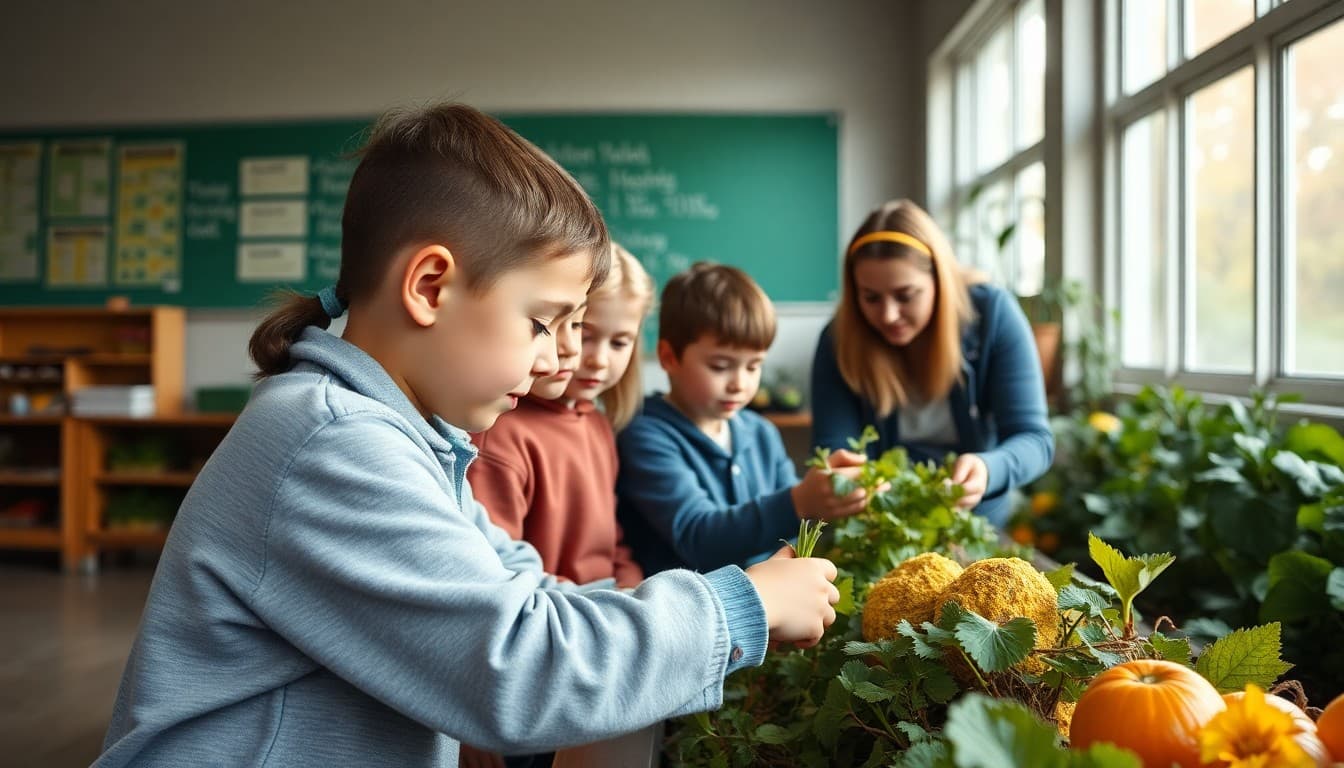
Principal Newsletter: Celebrating the School Garden Harvest with Families
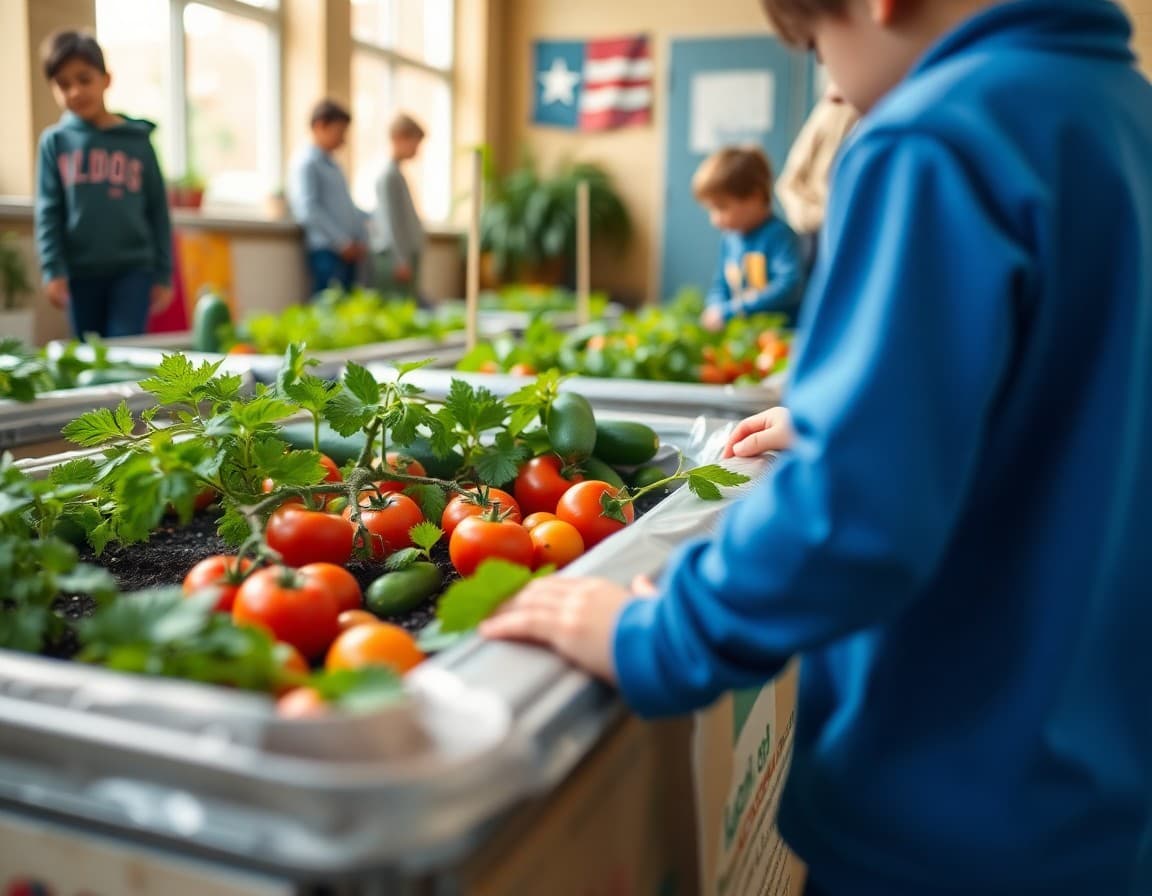
The school garden harvest is one of the most concrete, multi-subject learning experiences a school can offer. Your newsletter is what makes the connection between the dirt under students' fingernails and the learning standards in their curriculum visible to families.
What Students Grew and What It Took
Tell the story of the growing season. What did students plant? What survived? What did not and what did they learn from that? How many weeks did it take from seed to harvest? What weather events did they navigate? The garden is a real system with real outcomes, and describing it as such, rather than as a vague enrichment activity, gives families something specific to ask their child about. That conversation at home is part of the educational value.
The Curriculum Connections
Name them specifically. Students tracked growth using measurement skills from their math unit. They wrote observation journals as part of their science writing sequence. They studied the water cycle in relation to irrigation. They read about composting as part of their nonfiction reading unit. Families who see that the garden is woven into academic curriculum understand why it is worth the school's time and space. Families who see it as a fun add-on support it less consistently.
What Happens with the Harvest
Tell families what you will do with what students grew. If the harvest will go to the cafeteria, describe how. If students are taking produce home, let them know what to expect in their child's backpack. If you are hosting a harvest cooking event, describe the menu. If you are donating to a food pantry, name the recipient organization. The destination of the harvest connects the school garden to the real world in a way that makes the learning feel meaningful beyond the school gates.
The Harvest Event
If you are hosting a harvest celebration, include logistics. Date, time, what families and students will do when they arrive, whether food will be available to taste, and how long the event runs. Harvest events are natural community-building moments. The newsletter invitation determines whether families feel welcome or whether they hear about it as an afterthought.
Thanking Volunteers and Community Partners
School gardens typically run on volunteer labor and community donations of compost, tools, and seeds. Name everyone who contributed. The parent who came every Saturday morning to water in summer. The nursery that donated seedling trays. The grandparent who taught the first composting lesson. These acknowledgments honor real people and signal to potential future volunteers that their contributions will be recognized.
Using Daystage for Harvest Communication
Daystage makes it easy to build a harvest celebration newsletter with garden photos, event details, a volunteer sign-up link, and a description of what students learned. You can track which families are engaging with outdoor learning content and use that data to build the audience for future garden events and programming announcements.
Get one newsletter idea every week.
Free. For teachers. No spam.
Frequently asked questions
What should a principal newsletter about the school garden harvest include?
Describe what students grew and harvested. Explain the connection to curriculum. Name who will benefit from the harvest. Invite families to a harvest event or garden day. Thank the volunteers who maintained the garden. Connect the garden to sustainability or nutrition education goals.
How does a school garden connect to academic learning?
School gardens teach plant biology, ecosystems, weather and seasons, nutrition, soil science, math through measurement and estimation, writing through garden journals, and social studies through food culture. Your newsletter can name the specific curriculum connections so families see the garden as an instructional tool rather than an extracurricular.
What do schools do with food from the school garden?
Common uses include cooking classes or cafeteria contributions, a garden harvest event for students and families, donations to a local food bank, student take-home portions, or seed saving for the next season. Naming what will happen with the harvest makes the garden feel like a real production system rather than a decorative feature.
How do you involve families in the school garden without it becoming a burden on the same volunteers every year?
Name the specific tasks that need volunteers and the time commitment involved. A one-time harvest day is more accessible than a recurring weeding schedule. Offering morning, afternoon, and weekend shifts expands who can participate. Families who understand the specific ask are more likely to say yes than those who receive a general invitation to help.
What tool helps principals send newsletters efficiently?
Daystage makes it easy to build a harvest celebration newsletter with garden photos, event details, volunteer sign-up links, and curriculum connections all in one communication.

Adi Ackerman
Author
Adi Ackerman is a former classroom teacher and curriculum writer with 8 years in K-8 schools. She writes about school communication, parent engagement, and what actually works in real classrooms.
More for Principals
Ready to send your first newsletter?
3 newsletters free. No credit card. First one ready in under 5 minutes.
Get started free