
Highlighting Your School Garden Project in the Principal Newsletter
A school garden is one of those projects that families love to hear about but often do not know is happening. The principal newsletter is your best tool for changing that. When families understand what students are doing in the garden and why it matters, they show up to volunteer, donate supplies, and celebrate the harvest.
Lead With What Students Are Actually Doing
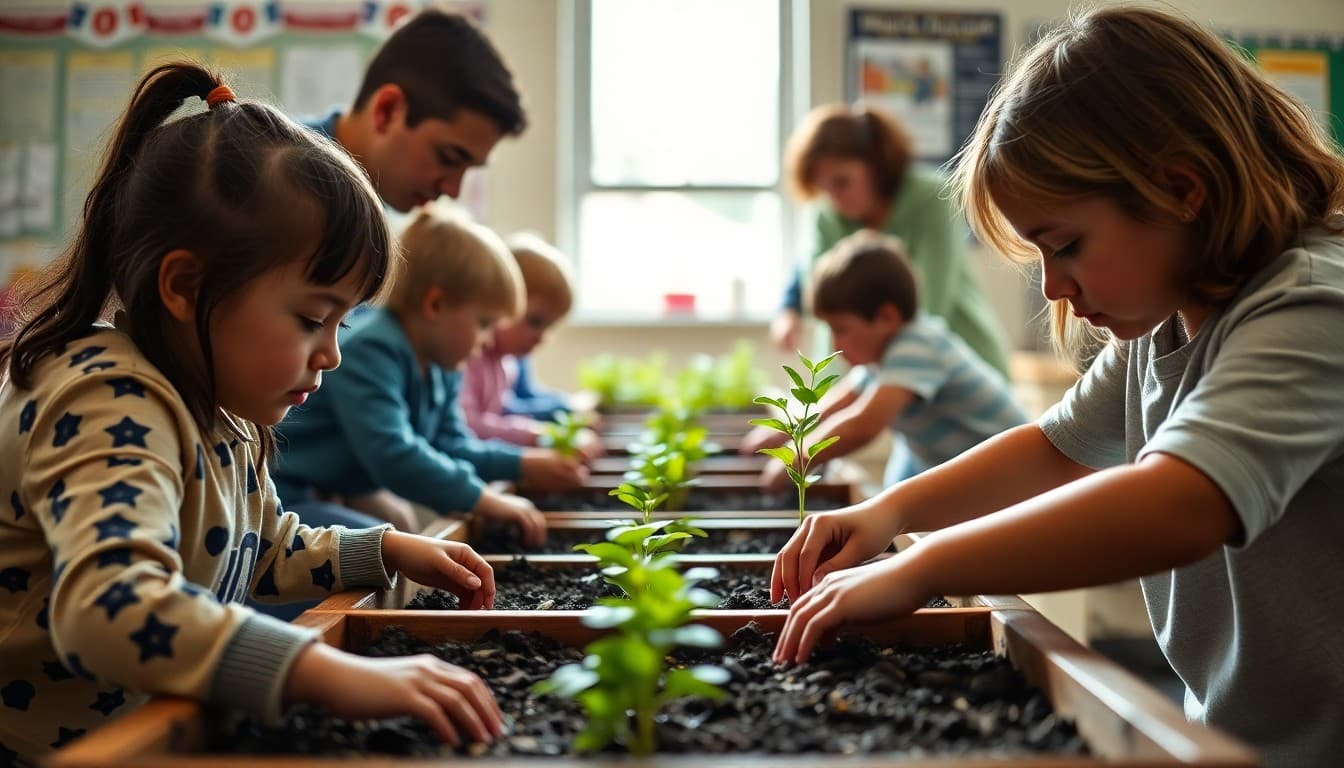
Skip the abstract benefits of outdoor learning. Families will engage when they can picture their child doing something real. "Second graders planted garlic bulbs last week and are keeping weekly observation journals. They will harvest in late spring and cook a simple dish together in the cafeteria." That is a story. It has a beginning, a middle, and an end that families will want to see.
Name the Curriculum Connections
The school garden gets more support -- from parents, teachers, and administration -- when it is visibly connected to academic standards. List two or three subject areas the garden touches: life science, nutrition education, math through measurement and data, writing through observation journals. When families know the garden is curriculum, not just enrichment, it earns a different level of respect.
Make the Volunteer Ask Specific
Garden projects need hands. The newsletter is the right place to ask -- but ask specifically. Name the date, the task, and how long it takes. "We need help installing irrigation on October 5 from 8:00 to 10:00 AM. No experience needed. Tools provided." That kind of ask converts readers to volunteers. "We always welcome help" does not.
A Template Garden Update Section
Here is a mid-season newsletter section that hits the key notes:
"The school garden is in full swing this month. All K-2 classes are visiting weekly as part of their science units, and our fifth-grade team is using the beds to run a real plant biology experiment that will inform their end-of-year research papers. We harvested over 40 pounds of tomatoes and peppers in September -- most went to the cafeteria for this month's salad bar. Our next big workday is October 19. If you can help for two hours that morning, sign up below."
Share the Numbers When You Can
Weight of the harvest. Number of classes that visited. Square footage of new garden space added. Hours volunteered. These specifics make the newsletter feel like a progress report, not just cheerleading. Families track these things. Teachers use them in grant applications. Concrete numbers give the garden project credibility and staying power.
Feature Student Voices
A one-sentence quote from a student -- "I never knew where broccoli came from before this" -- does more for family engagement than three paragraphs of your writing. If you can photograph a student with their observation journal or a first harvest, include the image. Families respond to faces they recognize. The garden becomes real when their child is in the picture.
Plan for Weather and Seasonal Slowdowns
The newsletter should set realistic expectations. If the garden is entering a winter dormancy period, say so. Tell families what students will be doing during that time -- indoor seed starting, garden journaling, planning for spring. That keeps momentum alive even when there is nothing to harvest. And when the season restarts, you have a built-in story about continuity.
Use the Garden to Celebrate Community
A harvest celebration -- even a small one in the courtyard -- gives families a reason to come to school for something joyful. Announce it in the newsletter, invite families, and make it easy to attend. The garden becomes a community asset when the community actually gathers around it. That kind of event is worth two newsletters: one to announce it and one to recap it afterward.
Get one newsletter idea every week.
Free. For teachers. No spam.
Frequently asked questions
What should a principal write about a school garden in the newsletter?
Describe what students are actually doing in the garden -- planting, harvesting, journaling observations, connecting it to science or math. Then invite families to volunteer, donate supplies, or participate in harvest events. Share a photo when possible. The garden is a story worth telling.
How do I recruit parent volunteers for the school garden through the newsletter?
Be specific about what you need. 'We need four volunteers on Saturday, April 12 from 8:00 to 11:00 AM to build the second raised bed' is a clear ask that people can say yes or no to. Vague requests -- 'we welcome help anytime' -- rarely generate action.
How do I connect the school garden to academic learning in my newsletter?
Name the curriculum connections directly. 'Third graders are tracking plant growth as part of their life science unit. Fourth graders are calculating area and perimeter to design the new beds. Fifth graders are researching the nutritional value of what they harvest.' Those specifics show families the garden is not just a nice extra.
How often should the principal newsletter mention the school garden?
At the start of the season to generate excitement and volunteers, mid-season to share progress and photos, and at harvest time to celebrate outcomes. A brief mention in your regular newsletter works well -- it does not need to be a standalone send every time.
Can I use Daystage to include garden photos and volunteer sign-ups in one newsletter?
Yes. Daystage lets you add photos, event blocks, and links in a single formatted newsletter. For a garden volunteer day, you can include a photo, the date and task description, and a link to sign up -- all in one clean send.

Adi Ackerman
Author
Adi Ackerman is a former classroom teacher and curriculum writer with 8 years in K-8 schools. She writes about school communication, parent engagement, and what actually works in real classrooms.
More for Principals
Ready to send your first newsletter?
3 newsletters free. No credit card. First one ready in under 5 minutes.
Get started free