

Principal Newsletter: Building Community Support for Outdoor Learning
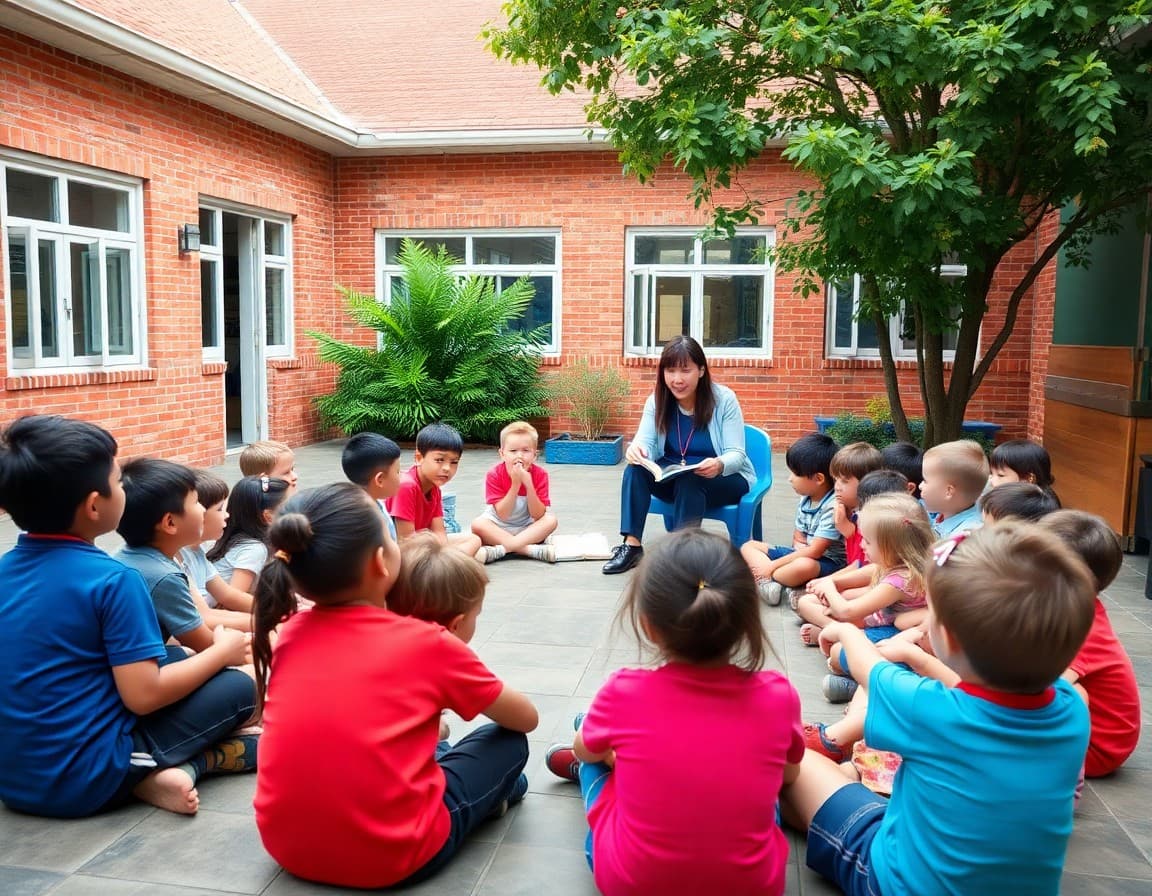
Outdoor learning programs face a communication challenge: families who have not experienced them assume they are less rigorous than classroom instruction. Your newsletter is the argument that they are wrong, and a description of what students actually do when they go outside to learn.
What Outdoor Learning Is at This School
Be specific about the format. Some schools have a dedicated outdoor classroom space. Some use the school garden for science instruction. Some have teachers who take class outside for specific lesson types. Some partner with a local nature center. Whatever your model is, describe it in concrete terms. Families who understand what outdoor learning looks like at your school think about it differently than families who imagine something vague and unstructured.
The Academic Rationale
Outdoor learning improves attention and reduces stress. Studies show that spending time in natural environments helps students regulate behavior and return to focused learning more readily. Specific subjects, particularly science and environmental education, have direct curriculum connections to outdoor settings. Students who learn about ecosystems in them, who observe weather patterns as they happen, and who conduct real investigations in real environments develop understanding that textbooks cannot replicate. Name the specific curriculum connections for the grade levels you serve.
Safety Protocols
Tell families exactly how outdoor learning is supervised and what safety measures are in place. Supervision ratios, boundaries of the outdoor space, policies for students with allergies or asthma, sunscreen and bug spray procedures, and weather cancellation policies all belong here. Families who understand the protocols trust the program. Families who worry about unsupervised outdoor time may actively resist it. The newsletter prevents that resistance before it forms.
What Families Should Prepare
Tell families whether students need weather-appropriate clothing on outdoor learning days, whether they need to apply sunscreen at home before school, whether closed-toe shoes are required, and whether there are any materials students should bring. Practical preparation guidance makes outdoor learning accessible to every student, not just those whose families are already familiar with outdoor education norms.
Student Outcomes You Have Already Seen
If your school has data on the impact of outdoor learning, share it. If you have anecdotal observations from teachers, name them without using identifiable student information. A teacher who reports that her most challenging students are consistently calmer and more focused after an outdoor session is worth quoting. Real outcomes from your real school are more persuasive than general research summaries.
Using Daystage for Outdoor Learning Communication
Daystage makes it easy to build an outdoor learning newsletter with photos from previous outdoor sessions, a curriculum connection description, safety protocol information, and preparation guidance for families. Tracking family engagement with outdoor learning content tells you how much community interest exists in expanding the program.
Get one newsletter idea every week.
Free. For teachers. No spam.
Frequently asked questions
What should a principal newsletter about outdoor learning include?
Describe the outdoor learning programs and how they connect to curriculum. Address family concerns about safety and weather. Explain what outdoor learning looks like in your school context. Name the teachers leading the initiative. Tell families what clothing or equipment is needed.
What are the academic benefits of outdoor learning that a principal can cite?
Research shows that outdoor learning improves attention, reduces stress, increases physical activity, and can improve academic performance in science and environmental topics. Students who learn outdoors regularly show better focus when they return to indoor settings. Naming specific research findings grounds the program in evidence rather than in preference.
How do you address family concerns about outdoor learning safety?
Name the specific safety protocols in place. Supervision ratios, weather policies, allergen management, and sunscreen or bug spray permission procedures all belong in the newsletter. Families who understand the safety framework support outdoor learning much more readily than those who imagine an unsupervised romp in the woods.
How does outdoor learning work in different weather and climates?
Describe your school's weather policy. Rain policies, cold weather thresholds, sun safety measures, and indoor alternatives all help families prepare their children appropriately. The newsletter should include what clothing is appropriate for outdoor days so no child is left out because they were not dressed for the weather.
What tool helps principals send newsletters efficiently?
Daystage makes it easy to build an outdoor learning newsletter with program photos, curriculum connections, safety information, and family preparation guidance in one organized communication.

Adi Ackerman
Author
Adi Ackerman is a former classroom teacher and curriculum writer with 8 years in K-8 schools. She writes about school communication, parent engagement, and what actually works in real classrooms.
More for Principals
Ready to send your first newsletter?
3 newsletters free. No credit card. First one ready in under 5 minutes.
Get started free