
Principal Newsletter: What We Learned and Kept From the Pandemic Years
There is a version of the pandemic-lessons newsletter that nobody needs: a summary of how hard things were, written in past tense, that families already lived through. What is actually worth writing is the version that tells families what changed at your school because of that experience, what you kept, and how it is still shaping instruction right now.
Be Honest About What Did Not Work
Start from a place of candor. Remote learning exposed gaps in how your school communicated with families who did not have consistent technology access. It revealed which students could self-direct and which needed structure that disappeared when they left the building. It showed where curriculum had no flexibility and where teachers had no training to adapt quickly.
Acknowledging this is not weakness. It is the premise for everything worth sharing about what you learned and changed.
Name What You Kept
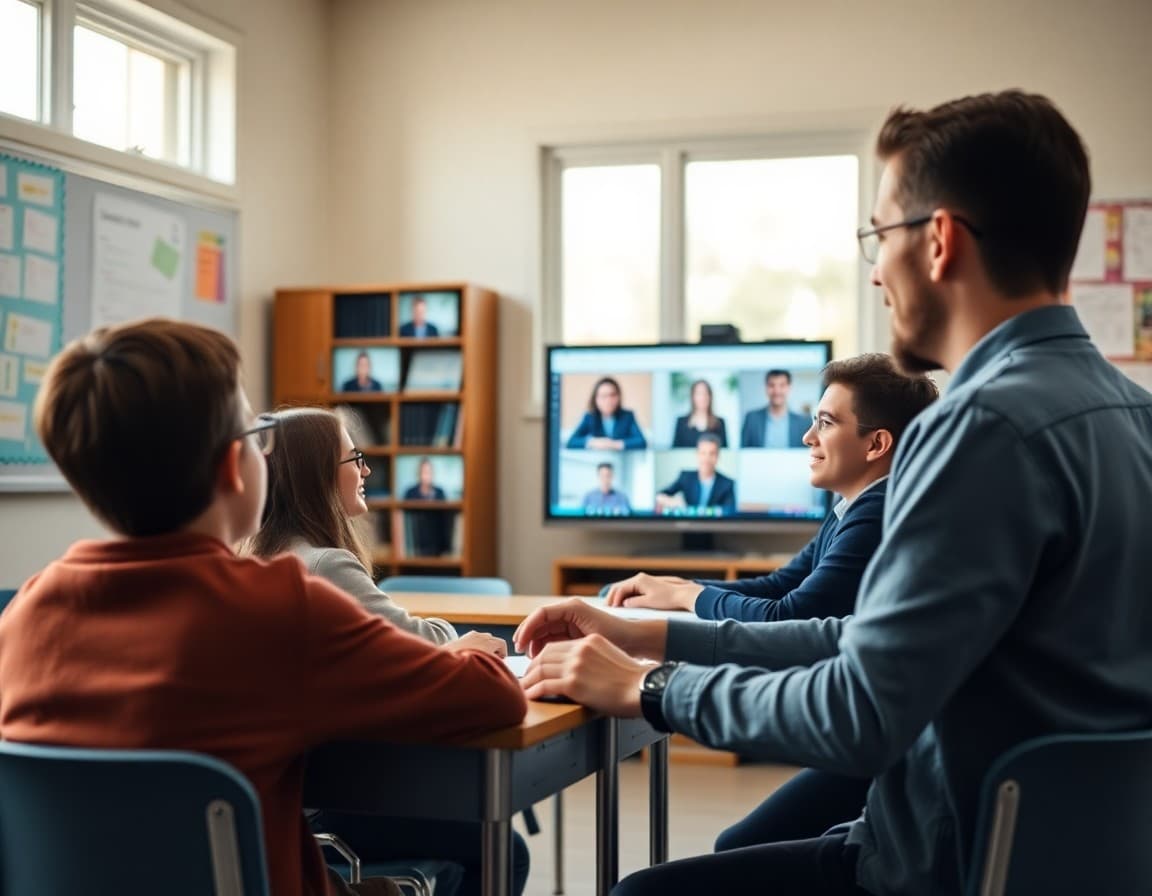
Some things from that period turned out to be improvements. Digital assignment submission, which many students now prefer. More frequent family communication, because you were forced to over-communicate and found it helped. Asynchronous professional development options that gave teachers more flexibility. Social-emotional check-in routines that started out of necessity and are now part of the school day.
Name the specific practices that stayed and explain why. Not everything that changed was bad. Families deserve to know which changes were intentional and which were reluctant.
Address the Learning Gaps Directly
Most families are aware that their child's education had interruptions. What they want to know is: does the school know about the gap, and what is being done? Name the specific assessments you used to identify where students fell behind. Name the interventions that are running. Give the timeline you are tracking.
Families who feel that the school is aware and responding trust the system. Families who feel that nobody mentioned the gap worry that nobody noticed.
Recognize What Families Contributed
Families were asked to become teachers during a period when nobody had prepared them for it. Many of them showed up in extraordinary ways. A paragraph acknowledging that is not just goodwill; it is accurate and appropriate. It also resets the tone of the partnership heading forward.
Share the Mental Health Legacy
Student mental health deteriorated significantly during pandemic schooling. If your school added counselors, social workers, mental health programming, or changed its referral process, say so in this newsletter. Families who know that their school invested in this area are more likely to use those resources.
Look Forward, Not Backward
Close with what the pandemic-era experience is still informing. Current curriculum decisions. Family engagement practices. Emergency communication planning. The structural changes you made because of what you learned. This keeps the reflection useful rather than nostalgic and gives families a reason to care about the topic beyond the historical interest.
Get one newsletter idea every week.
Free. For teachers. No spam.
Frequently asked questions
Is it still worth writing about pandemic lessons this far out?
Yes. The changes schools made during that period continue to shape policy, curriculum, and culture. Families who understand what stayed and why are better equipped to engage with decisions your school is making now. It also gives you a moment to acknowledge how much the community went through together.
How do I write about pandemic-era challenges without dwelling on negativity?
Frame the challenges as context for the growth. Not 'here is everything that went wrong' but 'here is what we discovered about our students, our families, and our school that we would not have learned any other way.' Focus on what the experience revealed and what you built from it.
What instructional changes from the pandemic are worth highlighting?
Consider flexible scheduling practices that improved work-life balance for staff. Digital submission systems that parents now rely on. Mental health resources that were added during the crisis and have stayed. Family communication practices that became more consistent. Name the specific things that stuck because they worked.
How do I address learning loss without alarming families?
Be honest about the gaps and specific about the response. Name the interventions in place, the data you are tracking, and the timeline you expect for recovery. Families who hear 'we know there are gaps and here is exactly what we are doing' respond very differently than families who hear vague reassurance.
What tool helps principals send newsletters efficiently?
Daystage is built for principal newsletters and makes it easy to send a reflective, long-form update like this to all families in one step with professional formatting.

Adi Ackerman
Author
Adi Ackerman is a former classroom teacher and curriculum writer with 8 years in K-8 schools. She writes about school communication, parent engagement, and what actually works in real classrooms.
More for Principals
Ready to send your first newsletter?
3 newsletters free. No credit card. First one ready in under 5 minutes.
Get started free