
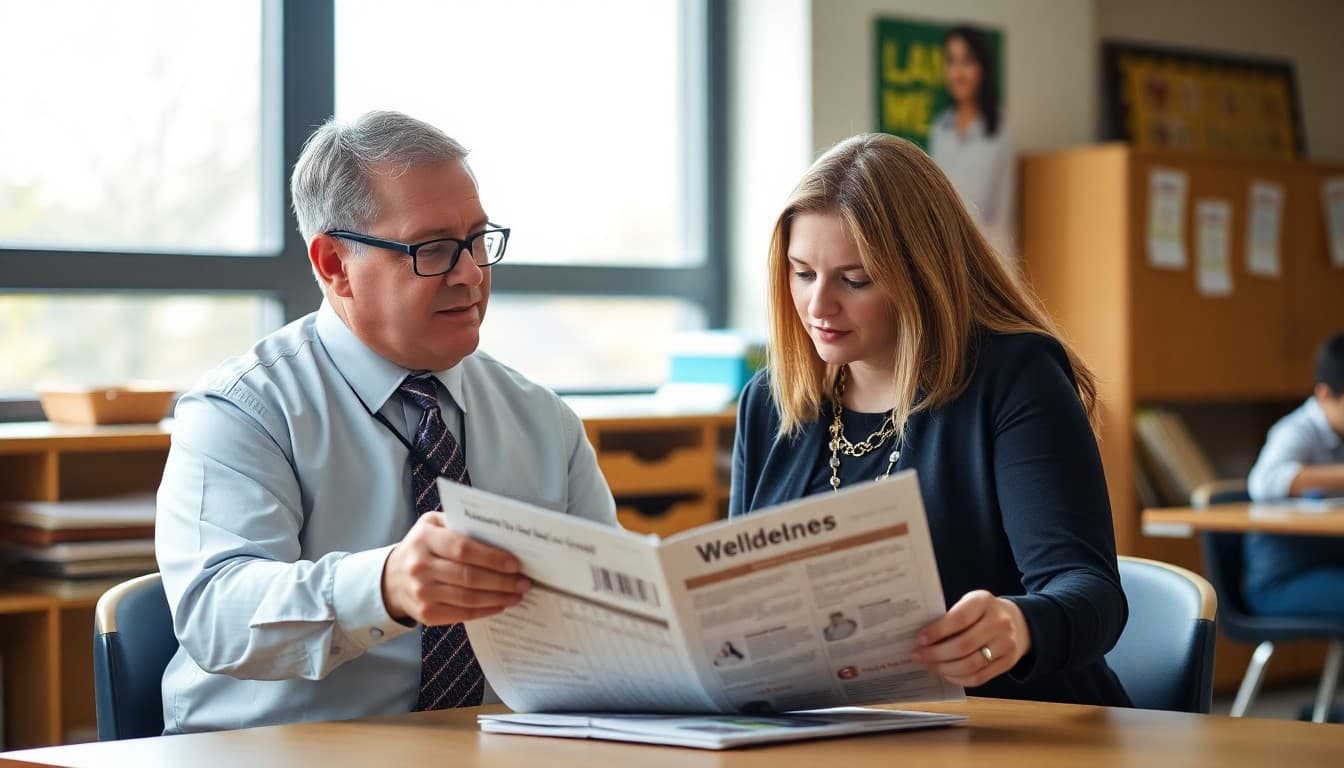
How to Address Mental Health in Your Principal Newsletter
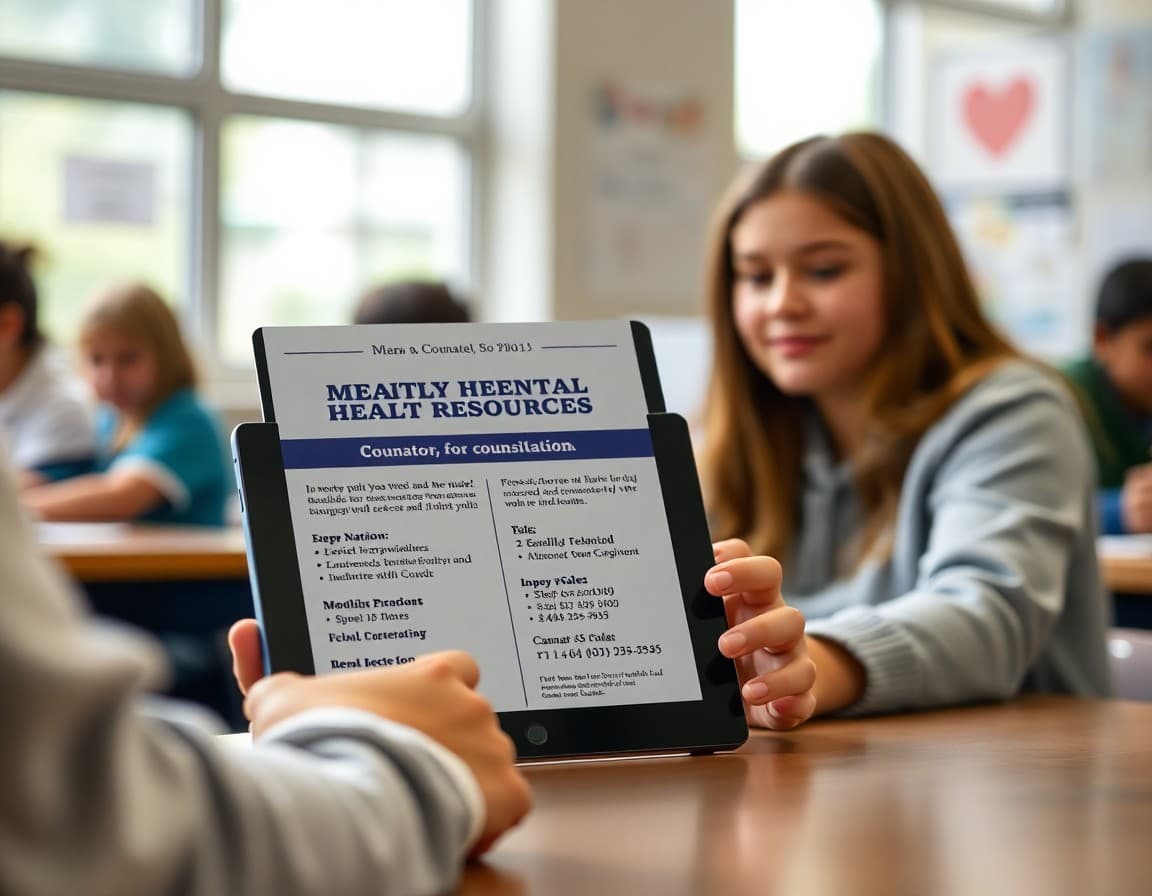
Student mental health is one of the most significant challenges schools are navigating, and principals who address it honestly in their newsletters do something important: they normalize the conversation. Families who read about mental health resources in a regular school newsletter are more likely to ask for help when their child needs it and less likely to wait until a situation becomes a crisis. A newsletter that makes mental health a standing topic rather than an emergency response is doing genuine preventive work.
Make Mental Health a Regular Topic, Not a Crisis Response
Many school newsletters only address mental health after something difficult happens. That pattern trains families to associate mental health communication with bad news. A principal who includes a brief mental health section every month or two, in good times and hard times, normalizes the conversation. "This month, our school counselor is sharing resources for supporting students through the academic pressure of testing season. You do not have to be in crisis to use these supports."
Name Specific School Resources and How to Access Them
Many families do not know what mental health resources exist at their school or how to access them. A regular reminder is useful: "Our school has two licensed counselors, Ms. Reyes and Mr. Patel, who are available to meet with students by teacher referral or family request. To request a counseling appointment, call the front office or email counselor@school.edu. Same-day appointments are available for urgent concerns." That specific information is more valuable than a general statement that "support is available."
Share Community Resources Beyond the School
School counselors have limited bandwidth. Families dealing with significant mental health challenges need to know about community resources: local mental health clinics, crisis lines, pediatric therapist directories, and insurance navigation support. A principal newsletter that includes these resources annually, or more often during high-stress periods, is a genuine service to families: "If your family needs mental health support beyond what the school can provide, here are three local resources that offer sliding-scale or free services for families."
Give Families Grade-Appropriate Guidance
Parents often want to support their child's mental health but do not know how to have the conversations or recognize the signs. Grade-level guidance is more useful than general advice: for elementary school families, signs of anxiety in young children and calming strategies. For middle school families, how to talk about social media and peer conflict. For high school families, how to recognize depression or academic stress in a teenager who claims to be fine. Specific guidance is actionable. Generic guidance is forgettable.
A Template Excerpt for Mental Health Communication
"Each year, the weeks around state assessments are among the highest-stress periods for students and families. This year, our counselors are running daily drop-in sessions in the library from 7:30 to 8:15am the week of March 24. Students can stop by, no appointment needed. For families: watch for sleep disruption, increased irritability, and stomach complaints, all common signs of test-related anxiety in school-age children. If you are concerned about your child, email our counselors directly at counselors@school.edu. If the concern is urgent, call the front office. Community resource: the county mental health line is available 24 hours at 555-HELP. Free and confidential for families in our district."
Model the Language Families Can Use at Home
One of the most powerful things a principal newsletter can do is give families the actual words to use with their children. "A question worth asking your child this week: 'What is one thing that is making school feel hard right now?' That question is open enough to invite honesty and specific enough to focus the conversation. You do not have to fix what they share. You just have to listen." That kind of guidance from school leadership shapes thousands of kitchen table conversations.
Acknowledge Staff Mental Health as Well
Teachers and school staff are managing mental health challenges too, and a principal who acknowledges this in family communications builds trust across the whole school community: "We also recognize that our teachers carry significant emotional labor. We are building in regular wellness check-ins for staff this semester and have connected our team with the district's Employee Assistance Program. A school where adults are supported is a school where students are supported."
A principal newsletter that treats mental health as a normal, standing topic reduces stigma, connects families to resources early, and builds the kind of school culture where asking for help is a sign of strength. That culture is built one newsletter at a time.
Get one newsletter idea every week.
Free. For teachers. No spam.
Frequently asked questions
Should principals address student mental health in a regular newsletter?
Yes. Mental health is part of school health, and principals who normalize that conversation in their newsletters reduce the stigma that prevents families from seeking help. A newsletter that treats mental health as a standing topic, not just a crisis response, creates a school culture where asking for support is expected rather than exceptional.
What mental health information belongs in a principal newsletter?
Signs that a student may need support, what the school's counseling resources are and how to access them, community mental health resources available to families, events like mental health awareness weeks, and grade-appropriate tips for supporting student well-being at home. The goal is to inform and reduce barriers, not to diagnose or alarm.
How do I address a specific mental health event or crisis in the community in a newsletter?
Be direct, provide context appropriate to the age of your students, and connect families to specific support resources. If a student death or community trauma occurred, acknowledge it, describe what the school is doing to support students, give families guidance on how to talk with their children about it, and provide crisis resources. Silence after a community trauma is damaging.
How do I write about mental health without stigmatizing students or families?
Use person-first language and normalize the experience of struggling. 'Students who are managing stress or anxiety' is more accurate and less stigmatizing than 'students with mental health problems.' Frame support-seeking as a sign of strength, not weakness. And avoid language that implies only certain kinds of families or students experience mental health challenges.
What newsletter tool helps principals communicate sensitively about mental health?
Daystage is a good fit because the clean, professional layout presents sensitive content with appropriate seriousness. A mental health newsletter that looks like a professional communication conveys that the school takes the topic seriously. Daystage also lets you include links to resources directly, making it easy for families to access support with one click.

Adi Ackerman
Author
Adi Ackerman is a former classroom teacher and curriculum writer with 8 years in K-8 schools. She writes about school communication, parent engagement, and what actually works in real classrooms.
More for Principals
Ready to send your first newsletter?
3 newsletters free. No credit card. First one ready in under 5 minutes.
Get started free