

Announcing a New Bell Schedule in Your Principal Newsletter
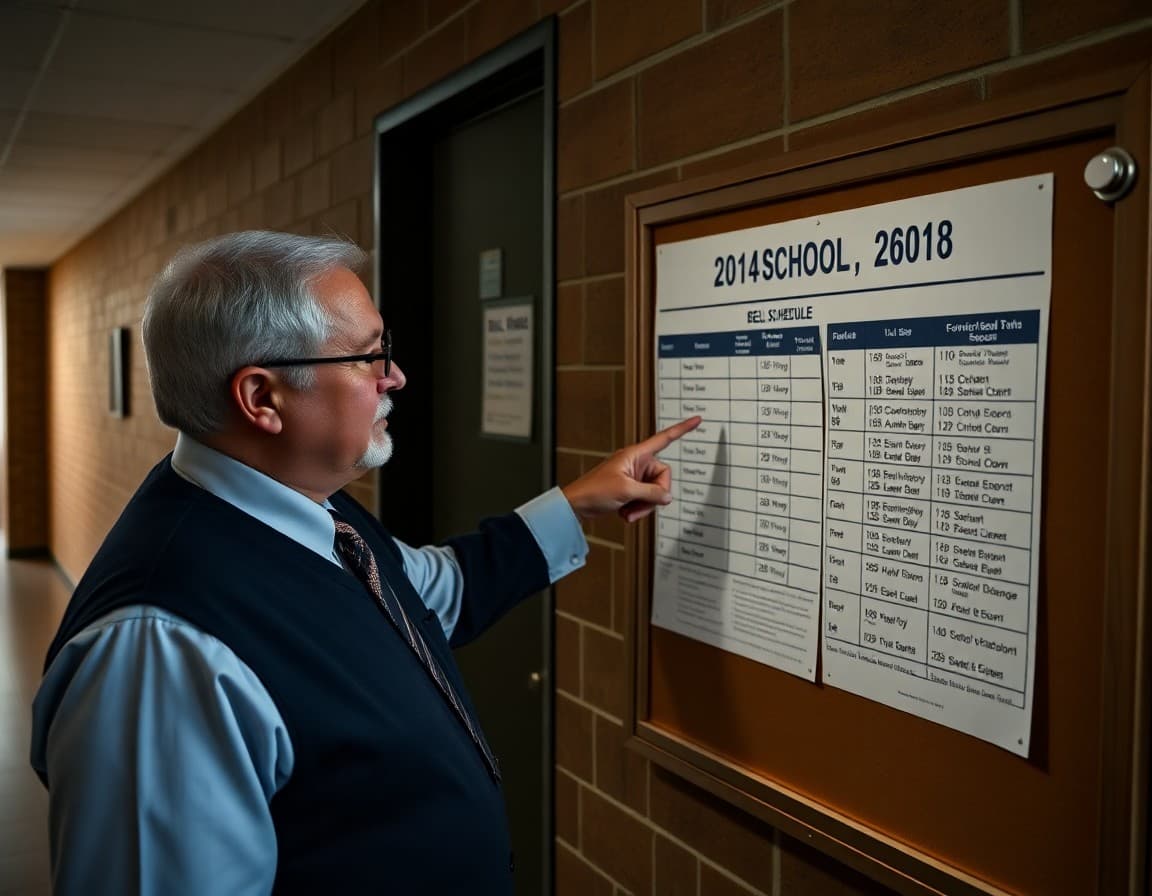
Schedule changes are the kind of news that families feel before they read it. Any shift to arrival or dismissal time ripples into childcare, work schedules, and transportation. Your newsletter does not need to apologize for the change, but it does need to be thorough, clear, and delivered with enough lead time for families to adapt.
State the New Schedule in the First Paragraph
Do not make families read through context and rationale before they get to the actual times. Put the new schedule up front. "Starting January 8, school hours at Lincoln Elementary will be 8:15 AM to 3:15 PM. Doors open for breakfast at 7:45 AM. Current hours are 8:00 AM to 3:00 PM." That is the news. Everything else in the newsletter is context and support.
Explain the Reason in One Sentence
Families deserve a reason, but they do not need a history. One sentence is enough. "This change aligns our schedule with district transportation routes to reduce idle bus time and lower dismissal-related traffic." Or: "Our new schedule adds 25 instructional minutes per day by extending the school day and restructuring our lunch period." That is all the explanation most families need. If you have more detail to share -- board minutes, a research brief -- link to it rather than summarizing it in the newsletter.
Address the Top Three Family Concerns
Before you receive the phone calls, answer the questions. The three most common: How does this affect the bus schedule? What happens to before/after school care? How does this change pickup for families who drive? If you have answers, provide them. If some details are still being worked out, say that and give a date by which you will have them. Uncertainty is more manageable when it is named and given a timeline.
A Template Schedule Change Newsletter Section
Here is a section that covers the essentials:
"Starting September 9, Jefferson High School will operate on the following schedule: Doors open 7:30 AM. First period begins 7:50 AM. Dismissal 3:10 PM. Late buses depart at 4:15 PM. This change reflects updated district transportation routes and adds 12 instructional minutes per day. Before and after school program hours remain unchanged. Updated bus route information will be posted on the district website by August 15. Questions about transportation should be directed to the district office at the number below."
Communicate the Transition Timeline
If the change takes effect at the start of a semester or school year, remind families of the effective date in bold. If there is a transition period or a grace period for tardiness in the first week, mention it. Families who know exactly when the new schedule starts -- and that the school expects an adjustment period -- are far less likely to be frustrated when they get the first few mornings wrong.
Offer a Q&A Session
A 30-minute virtual or in-person Q&A session within the first two weeks of the announcement absorbs a lot of individual parent questions and creates an opportunity to surface concerns you did not anticipate. Mention it in the newsletter. "We are hosting a 30-minute schedule Q&A on September 2 at 6:00 PM on Zoom. Join at the link below. All questions are welcome." The session itself matters less than the fact that you offered it.
Send a Reminder the Week Before the Change
One newsletter three weeks out is not enough. Send a short reminder the week before the new schedule takes effect. Three sentences: new times, effective date, who to contact with questions. That reminder prevents the Monday morning chaos that happens when families forget about a schedule change they read about a month ago.
Follow Up After the First Week
A brief check-in newsletter after the first week of the new schedule signals responsiveness. "We transitioned to the new schedule this week. Overall, drop-off and dismissal ran smoothly. We are still working with the bus company on the Route 7 timing -- we expect that resolved by next Tuesday." Families who know you are paying attention forgive minor hiccups much more readily than families left to assume that nobody noticed.
Get one newsletter idea every week.
Free. For teachers. No spam.
Frequently asked questions
What should a principal newsletter cover when announcing a bell schedule change?
State the new schedule clearly with exact times. Explain why the change is happening. Address the most common family questions -- transportation, childcare impact, lunch, and after-school programs. Give an effective date with enough lead time for families to adjust. Include a contact for follow-up questions.
How far in advance should I notify families of a bell schedule change?
At least three to four weeks for a significant change. Major schedule shifts affect childcare arrangements, bus transportation, and work schedules for families. Two weeks is the minimum. If possible, notify families before the end of the prior school year so they can plan over the summer.
How do I explain the reason for a schedule change without going into excessive detail?
Give one clear reason in one sentence. 'We are adjusting our start time to 8:15 AM to align with district transportation changes' is sufficient. Families do not need the full school board deliberation. If the change was driven by research on adolescent sleep or instructional minutes, say that briefly -- it builds confidence in the decision.
What is the best way to handle parent concerns about a bell schedule change?
Anticipate the most common concerns in the newsletter and address them before families have to call. Childcare, bus times, and before/after school program hours are the top three. A dedicated Q&A session -- in person or virtual -- within the first week of announcement goes a long way toward reducing anxiety.
What tool makes communicating schedule changes to families efficient?
Daystage lets you send a formatted newsletter with the new schedule included as a clear block, plus a PDF attachment of the full daily schedule that families can print and post at home. One send, everything they need.

Adi Ackerman
Author
Adi Ackerman is a former classroom teacher and curriculum writer with 8 years in K-8 schools. She writes about school communication, parent engagement, and what actually works in real classrooms.
More for Principals
Ready to send your first newsletter?
3 newsletters free. No credit card. First one ready in under 5 minutes.
Get started free