
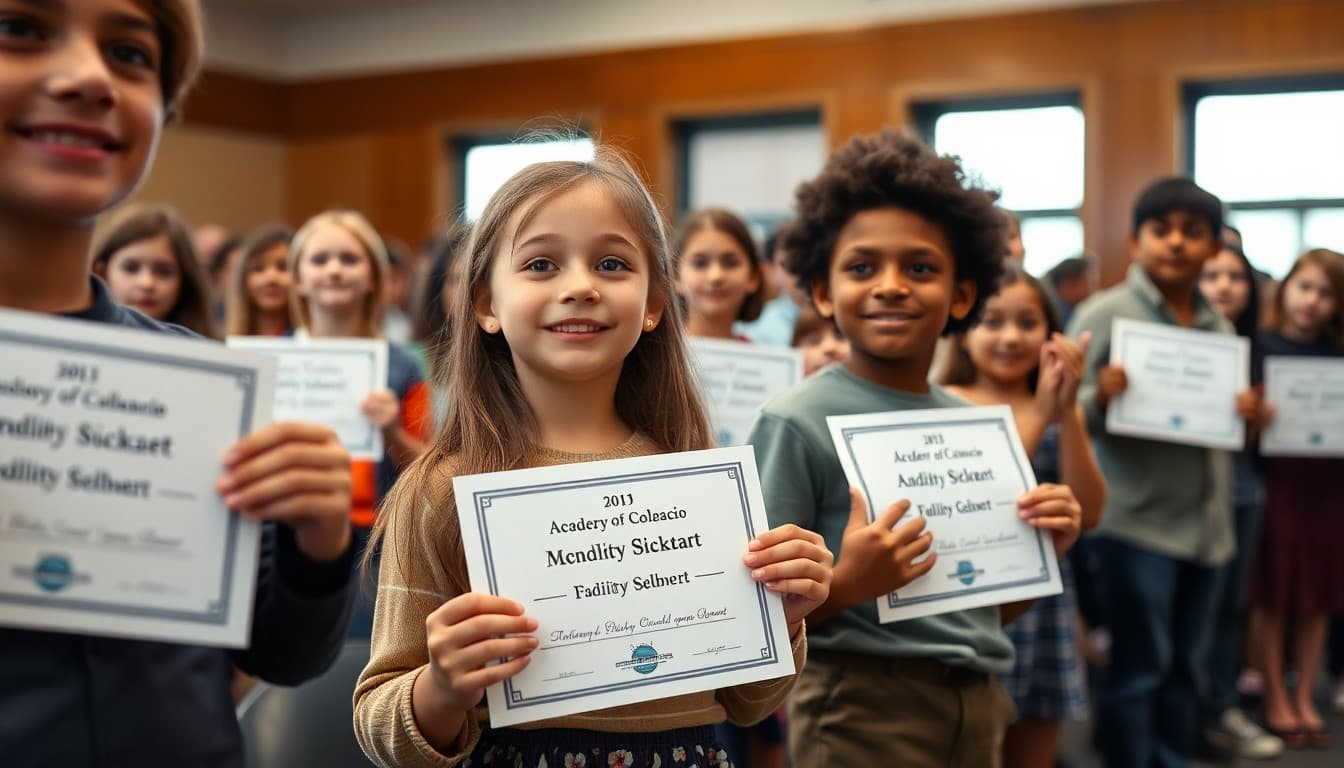
Announcing Honor Roll in Your Principal Newsletter
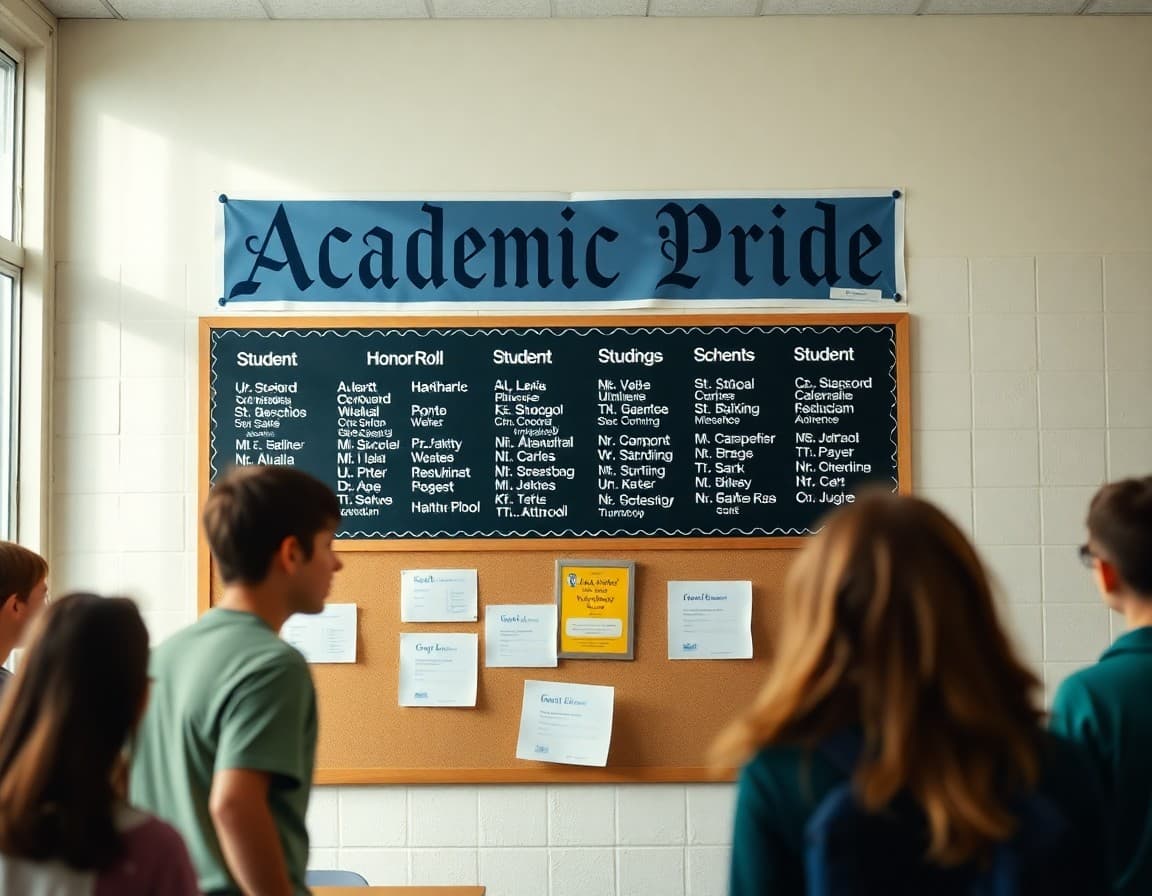
Honor roll announcements should feel like celebrations. Too often they come out as administrative notices -- a list, a date, a threshold. Done well, an honor roll newsletter section is a moment of genuine pride for the students who earned it and a signal to every other family that academic work is recognized here.
Lead With the Achievement, Not the Criteria
Most families do not need to be reminded of the GPA cutoff in the first sentence. They need to feel the accomplishment. "This quarter, 87 students at Monroe Middle School earned a place on the academic honor roll. That is 31 percent of our student body and the highest total we have posted in four years." That opening celebrates the students and gives the achievement context. The criteria can follow in a second sentence.
Recognize Multiple Categories
A newsletter that only announces GPA-based honor roll misses a large portion of students doing remarkable things. Consider adding: an attendance honor roll for students with perfect or near-perfect attendance, a most-improved recognition for students who made significant academic gains, and a citizenship or service recognition for students who contributed to community. Each category gives a different population of students a moment to be seen.
Be Thoughtful About Publishing Names
Some schools publish full lists. Others do not. If you publish names, confirm this is consistent with your district policy and that families have either given consent or the policy assumes public recognition. If you do not publish names, be clear about why and tell families how they can congratulate their child: through a personal letter, an assembly, or a certificate sent home. The why matters -- families will assume the worst if you just say "names will not be published."
A Template Section That Works
Here is an honor roll section for a quarterly newsletter:
"Second quarter honor roll recognition goes to 94 students across all grade levels. All Honors students earned a 3.5 or above with no grades below a C. Merit Honor Roll students earned between a 3.0 and 3.49. Every student on this list received a certificate and a note from their homeroom teacher. Families, your encouragement is a real part of this outcome. Thank you."
Connect Recognition to Effort, Not Just Outcome
A note that acknowledges the work -- not just the result -- resonates more broadly. "These students showed up, put in the work, and met a high bar. Grades do not tell the full story of learning, but they do tell the story of effort and follow-through. That is worth naming." This framing invites all students into the spirit of the recognition, even those who are not on the list this quarter.
Use the Recognition as a Teaching Moment for the Rest of the School
The newsletter goes to every family. The families of students not on the honor roll read it too. This is an opportunity -- done carefully -- to reinforce the message that the path to recognition is open to any student who commits. "We add a new cohort of students to this list every quarter. This quarter's list is not last quarter's list -- students earn their way on and off. Every student in this building has been on the honor roll at some point or has the potential to be." That sentence speaks directly to the students who are not yet there.
Celebrate at Multiple Points in the Year
An honor roll announcement four times a year means four chances for different students to be recognized. Quarter one and quarter three often surface different students than semester-end lists. Frequent recognition spreads the spotlight and motivates students who might have stumbled in one marking period but turned things around in the next.
Archive Recognition for the Year-End Summary
At year end, your honor roll data across four quarters tells a story about your school's academic culture. How many unique students earned recognition across the year? Did those numbers grow? Which grade levels showed the most change? A brief year-end summary of your recognition programs in the final newsletter gives families a meaningful close to the academic year.
Get one newsletter idea every week.
Free. For teachers. No spam.
Frequently asked questions
Should a principal newsletter publish the full list of honor roll students?
It depends on your school policy and parent preferences. Some schools publish names and families appreciate the public recognition. Others prefer to notify families individually. If you publish names, confirm that parent consent applies or is assumed by your district policy. A middle path is to announce the number of students honored and invite families to celebrate with their child.
How do I make honor roll announcements feel inclusive rather than exclusive?
Acknowledge multiple forms of achievement in the same newsletter. Academic honor roll, attendance honor roll, most-improved recognition, and citizenship awards all validate different kinds of success. When only grades are celebrated publicly, families of students who work hard but struggle academically feel invisible in the newsletter.
What tone should the principal use in an honor roll announcement?
Celebratory and specific. This is not the place for hedging language about academic pressure or the limits of GPA. Acknowledge the work students put in. Name the grades or point thresholds. Tell families what the recognition means.
How do I balance celebrating high achievers without discouraging others?
Pair your honor roll announcement with a note about the school's broader goals for all students. 'We celebrate every student who met their personal growth targets this quarter, not just those on the printed list' keeps the honor roll meaningful without making other students feel they have nothing worth noting.
Can a newsletter tool help format and send honor roll announcements easily?
Yes. Daystage lets you create clean formatted newsletters with sections, bold text, and student lists. For schools that send individual recognition letters, Daystage works well for the accompanying community-wide announcement.

Adi Ackerman
Author
Adi Ackerman is a former classroom teacher and curriculum writer with 8 years in K-8 schools. She writes about school communication, parent engagement, and what actually works in real classrooms.
More for Principals
Ready to send your first newsletter?
3 newsletters free. No credit card. First one ready in under 5 minutes.
Get started free