

Grade-Level Transition Newsletter: Preparing Families for the Next School Year
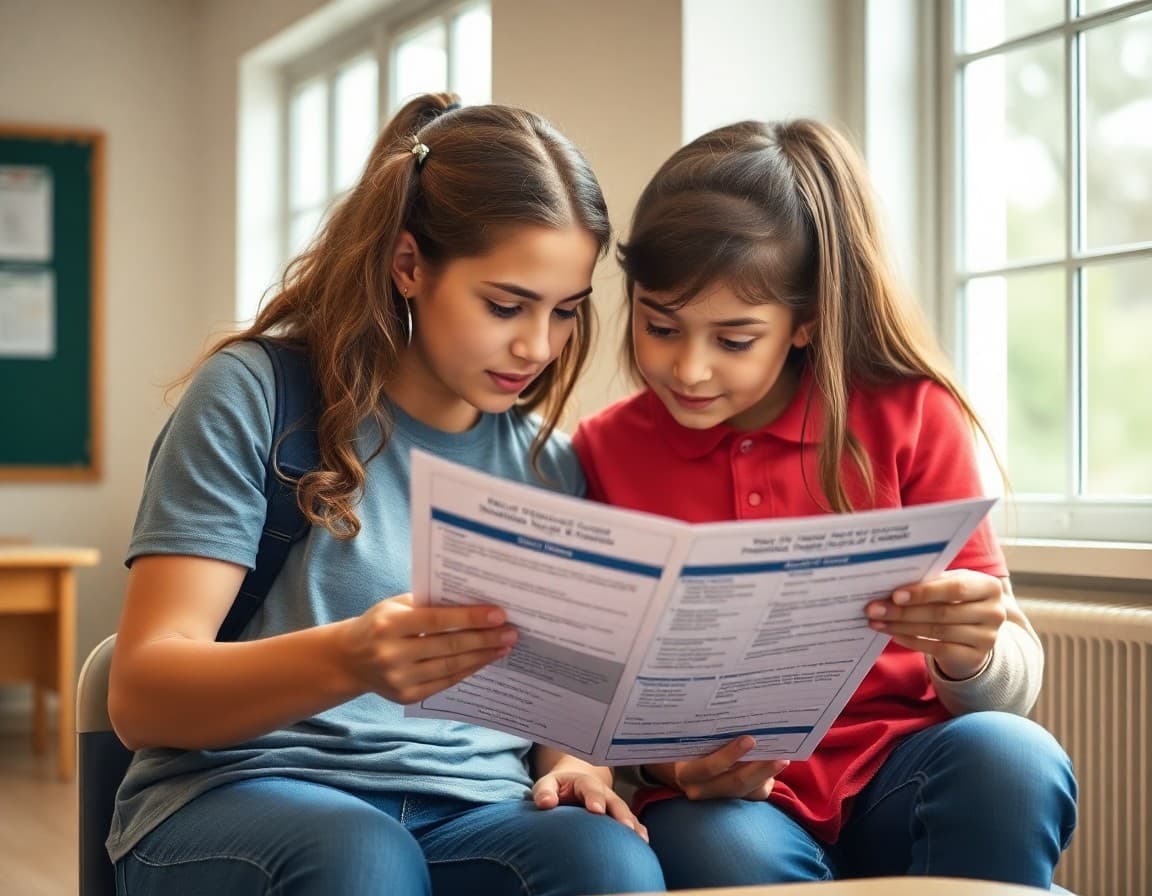
Every student transitions to a new grade at the end of the year, and every family has some degree of anxiety about what that transition will require. The principal who sends a thoughtful grade-level transition newsletter in the spring does more than share information. They reduce the summer anxiety that makes back-to-school season harder for everyone and give families something concrete to do before school resumes.
Name what changes at the next grade level
The most useful part of a transition newsletter is a specific description of what is genuinely different at the next grade:
- Academic expectations: more writing? More independent reading? Introduction of a new subject?
- Daily routine changes: different recess structure, more responsibility for managing materials, departmentalized schedule?
- Social dynamics: new classmates from other classes, locker use, greater independence?
- Assessment changes: standardized testing that did not happen before? New types of projects?
Describe what the school does to support the transition
Families want to know their child is not alone in the transition. Describe what the school provides:
- Whether teachers share notes or records about students with next year's teachers
- Whether there is an orientation or welcome day before the year begins
- Whether there is a buddy system, advisor structure, or any support specifically for students new to the grade level
Give families specific summer preparation suggestions
Families who want to help their child prepare benefit from concrete suggestions rather than general encouragement:
- A list of two or three books appropriate for the incoming grade level
- Math skills worth reviewing (specific concepts, not general math practice)
- Organizational skills the grade requires: planner use, multi-day homework management, binder organization
Name the orientation or first-day logistics
Even in a transition newsletter sent in spring, including any known fall dates gives families a planning anchor. If an orientation is scheduled, name it. If new student schedules will be mailed, say when. If supply lists will be posted, say where.
Invite personal questions
The transition newsletter should end with a genuine invitation for individual follow-up: 'If you have specific concerns about your child's readiness for next year, I am available for a brief phone call or conference this spring. Reach out to the office to schedule a time.'
Daystage makes it easy to send grade-specific transition newsletters to targeted family groups, so the information each family receives reflects the specific grade their child is entering.
Get one newsletter idea every week.
Free. For teachers. No spam.
Frequently asked questions
When should I send a grade-level transition newsletter?
In April or May for schools on a September start. Families who receive transition information in the spring have the summer to prepare. Transition newsletters sent in late August, after schedules are already set, give families almost no time to act on the information.
What do families most want to know about their child moving to the next grade?
What will be expected of their child academically, what new routines or responsibilities come with the grade, whether their child's teacher will know them coming in, and what they can do over the summer to help their child be ready. These four questions drive most family anxiety about transitions.
How do I communicate concerns about specific students without singling them out in the newsletter?
You do not. The newsletter addresses transition generally. Specific concerns about a student's readiness for the next grade should be addressed in a personal phone call or conference with that family, not in the newsletter. The newsletter sets the context for a conversation that happens separately.
What is the most common mistake in grade-level transition newsletters?
Focusing only on logistics (class schedules, orientation dates) without addressing academic and social expectations. Families who receive only schedule information have no frame for what the transition actually means for their child.
What tool helps principals send newsletters efficiently?
Daystage makes it easy to send targeted grade-level transition newsletters to specific families rather than the full school list, ensuring that the information each family receives is relevant to the grade their child is entering.

Adi Ackerman
Author
Adi Ackerman is a former classroom teacher and curriculum writer with 8 years in K-8 schools. She writes about school communication, parent engagement, and what actually works in real classrooms.
More for Principals
Ready to send your first newsletter?
3 newsletters free. No credit card. First one ready in under 5 minutes.
Get started free