
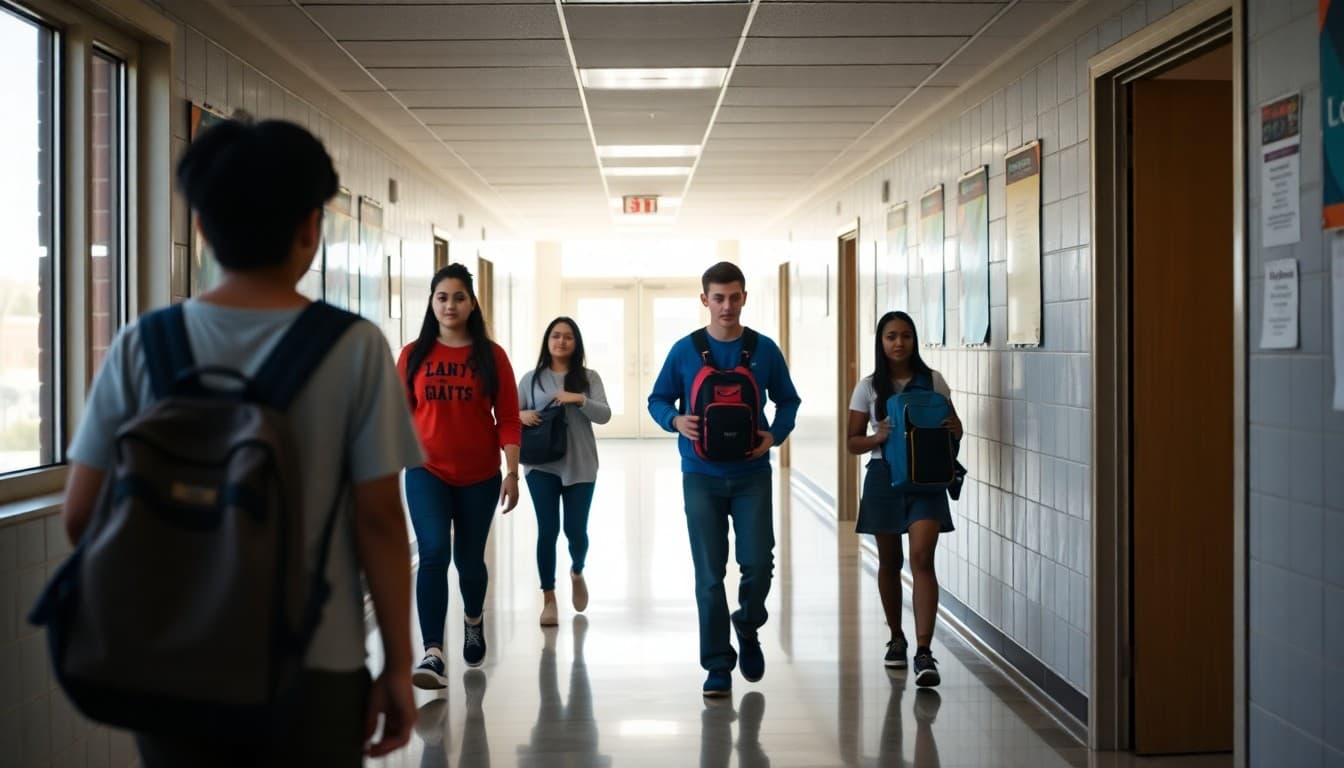
High School Transition Newsletter: What Principals Need to Communicate

The middle-to-high school transition is the most academically consequential transition in a student's K-12 career. Course selections made in eighth grade affect AP access in eleventh grade. Athletic eligibility decisions made in September of ninth grade have four-year consequences. The newsletter that reaches families before they make these decisions is doing real work.
Start with course selection, not logistics
High school transition communication often focuses on logistics: where the building is, how the schedule works, what sports tryouts look like. These matter. But course selection is the first high-stakes decision most families face, and it is the one where they most need guidance.
A November or December newsletter from the middle school principal that covers course selection timelines, what honors and AP tracks mean in terms of workload and opportunity, and how to access counselors during selection season is genuinely high-value and rarely sent.
What families need to know about course selection
- When course selection forms are due and how to submit them
- The difference between grade-level, honors, and advanced courses in terms of workload, grading, and college signal
- What prerequisites exist for AP courses in tenth and eleventh grade, and which ninth-grade courses build toward them
- How to change courses after selection and what the process is
- Who at the high school families can call with questions about specific course decisions
The spring orientation newsletter
In April or May, send a newsletter that covers the logistical aspects of the transition. Many families have been in the same school building for three years and genuinely do not know what high school looks like. Cover:
- How the first weeks of high school typically go. The adjustment period is real; name it.
- What summer orientation looks like and what families need to attend
- Athletic and activity tryout season and how to register
- GPA calculation differences from middle school
- Academic support resources available in ninth grade
From the high school: the summer before ninth grade
The high school principal should send at least one newsletter to incoming ninth-grade families before school starts. This newsletter is the first impression of the high school principal for most of these families. It should be:
- Personal: introduce yourself as a person, not a credential
- Specific about the first-week experience: what students will do, how orientation works, what families can expect
- Honest about the adjustment: ninth grade is hard for most students. Saying so is reassuring, not alarming.
The first-month follow-up for the transition class
After the first month of ninth grade, send a targeted newsletter to ninth-grade families acknowledging the transition period and describing what the school is seeing. Families of ninth graders are more anxious than any other high school family segment. Direct acknowledgment of that anxiety, paired with specific observations from the building, builds trust fast.
Daystage supports grade-targeted newsletters so you can send transition- specific communication to incoming families without a school-wide blast. That precision matters when your message is specifically for families who are new to the building.
Get one newsletter idea every week.
Free. For teachers. No spam.
Frequently asked questions
When should middle school principals start communicating about the high school transition?
November or December of eighth grade for high school course selection, which often begins in January or February. Families who are not informed about course selection timelines until March are already behind. For logistical transition information, April and May are the standard windows.
What do families most need to know about the high school transition?
Course selection and how it affects the four-year academic plan, credit requirements for graduation, athletic and activity tryout windows, how the GPA calculation differs from middle school, and what support is available for students who struggle academically in the first semester. These are the information gaps that families most often wish they had filled before the transition.
Should middle school and high school principals coordinate on transition communication?
Yes. Families should receive coherent, non-duplicated information from both schools. The best transitions happen when the two principals have agreed on a shared communication calendar and are aware of what each other is sending. A joint welcome event communicated through both schools' newsletters is more effective than two separate announcements.
How do I communicate course selection to families who are unfamiliar with high school pathways?
Use plain language and avoid education jargon. Explain what 'honors,' 'AP,' and 'CTE pathway' mean before using those terms. Describe the consequences of course selection in terms families can evaluate: 'An AP class in ninth grade that goes poorly can affect a student's GPA for the next four years.' Concrete consequences are more useful than abstract options.
What tool helps principals send newsletters efficiently?
Daystage makes it simple to send transition-specific newsletters to the appropriate grade-level family list without affecting your school-wide list. Grade-targeted communication is one of the most useful features for transition season.

Adi Ackerman
Author
Adi Ackerman is a former classroom teacher and curriculum writer with 8 years in K-8 schools. She writes about school communication, parent engagement, and what actually works in real classrooms.
More for Principals
Ready to send your first newsletter?
3 newsletters free. No credit card. First one ready in under 5 minutes.
Get started free