

New Semester Goals Newsletter: How to Share Your School's Direction With Families
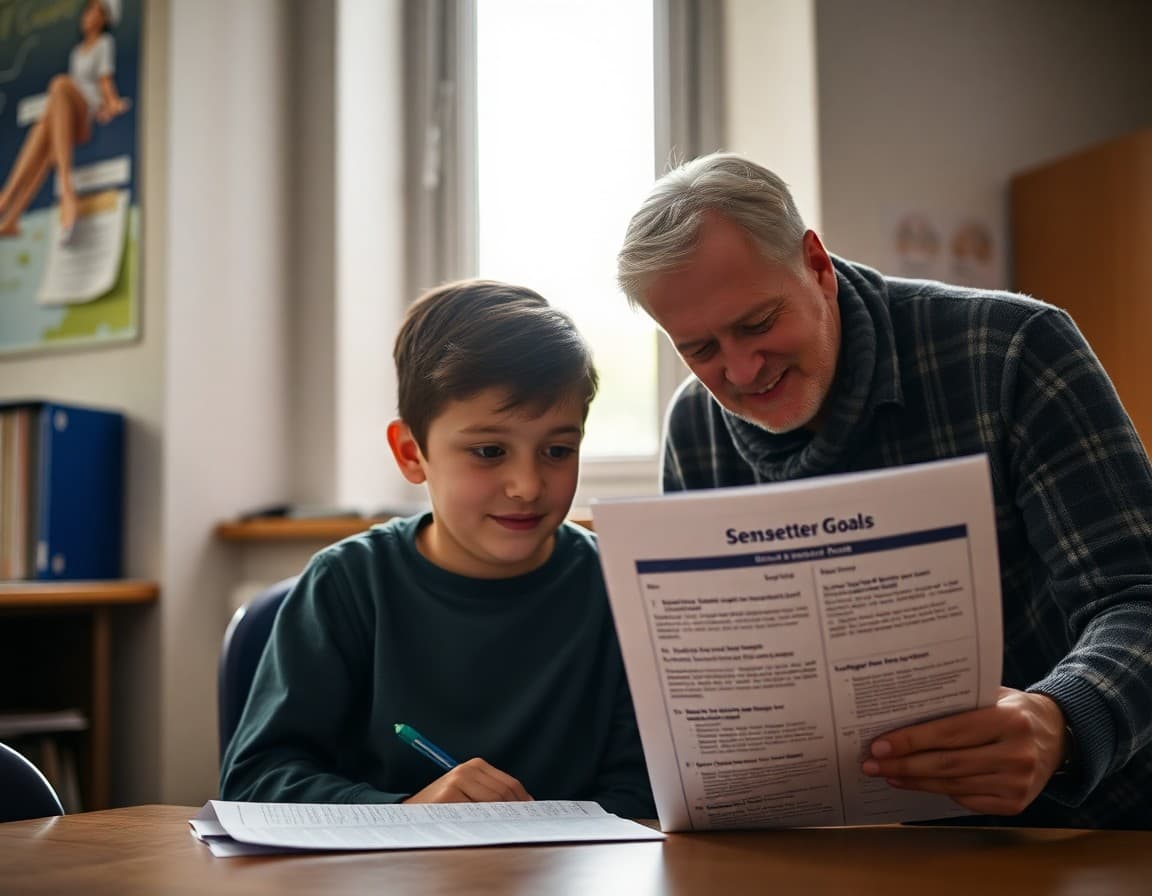
January is one of the highest-stakes communication moments of the year. Families are reset from the holiday break, students are returning to routines, and the second semester is a real opportunity to build on or correct what happened in the first. A principal who communicates second-semester goals clearly builds family alignment before the semester begins.
Start with where you actually are
The most credible new semester newsletters do not begin with aspirational goals. They begin with an honest assessment of first-semester data. What did the school set out to accomplish? What happened? Where did the gaps appear?
This does not require sharing every metric in your school improvement plan. Two or three data points that are meaningful to families and honest about the current state give the second-semester goals context and credibility.
'In the first semester, our attendance rate was 93.4 percent. Our goal is 95 percent. We are going to spend the second semester specifically addressing absences in grades 4 and 7, where the gap is largest.'
That paragraph is honest, specific, and gives families a clear picture of where the school is and where it is headed.
Translate goals into family language
School improvement plan language is built for school systems, not for families. Before including any goal in the newsletter, translate it:
- 'Increase math NWEA scores by 3 points in grades 3-5' becomes 'Our third through fifth graders are working on multiplication fluency this semester. Students who can recall their multiplication facts quickly have significantly better outcomes on end-of-year assessments.'
- 'Improve schoolwide Tier 1 instructional coherence' becomes 'Starting this semester, every teacher in the building is using the same approach to introducing and explaining new concepts. Your child's learning experience will be more consistent regardless of which class they are in.'
Describe what is different this semester
If something in the school is changing in the second semester, name it. New curriculum materials. A new support program. A change in how something is taught. Families who know what is different are less likely to be confused or concerned when their child comes home talking about it.
Give families something specific to do
The new semester goals newsletter has the highest return of any communication if it ends with one specific thing families can do to support the school's direction. Not a list. One thing. Something concrete and achievable in the first week of the semester.
Examples: Ask your child to set one academic goal for this semester and write it down tonight. Read with your elementary student for 15 minutes three nights this week. Ask your middle schooler what one thing they want to do better this semester than last semester.
Families who receive a specific action from a principal they trust are far more likely to take it than families who receive general encouragement. Daystage makes it easy to end every newsletter with a clear, formatted family action step that does not get buried in the text.
Get one newsletter idea every week.
Free. For teachers. No spam.
Frequently asked questions
Should a principal share school improvement goals with families?
Yes, but translate them out of school improvement plan language. A goal like 'increase tier 1 instructional coherence through collaborative planning' means nothing to most families. The same idea communicated as 'this semester, every teacher in our school is using the same approach to explaining new concepts, so your child gets a consistent experience regardless of which class they are in' is meaningful.
How do I share first-semester data without alarming families?
Present data with context: what the school aimed for, where it ended up, and what the school is doing with that information. Families who see data alongside the school's response to it trust the principal more, not less. Data without context creates alarm. Data with a clear response plan creates confidence.
What tone is right for a new semester goals newsletter?
Honest and forward-looking. Not defensive about first-semester challenges. Not over-promising about second-semester outcomes. A principal who says 'Here is where we are. Here is what we are going to do differently.' is building the kind of credibility that earns family trust when things get hard.
How do I invite families to support the school's goals at home?
Be specific. Not 'support your child's learning at home' but 'our second-semester focus is on writing. The most helpful thing you can do is ask your student to read you one paragraph they wrote this week and tell you one thing they are proud of in it.' Specific, actionable guidance gets acted on.
What tool helps principals send newsletters efficiently?
Daystage makes January goal-setting newsletters easy to format with data sections, goal statements, and family action steps all clearly organized. Families read the new semester newsletter when it arrives inline in their email.

Adi Ackerman
Author
Adi Ackerman is a former classroom teacher and curriculum writer with 8 years in K-8 schools. She writes about school communication, parent engagement, and what actually works in real classrooms.
More for Principals
Ready to send your first newsletter?
3 newsletters free. No credit card. First one ready in under 5 minutes.
Get started free