
Communicating Gender-Neutral Restroom Policies to Families

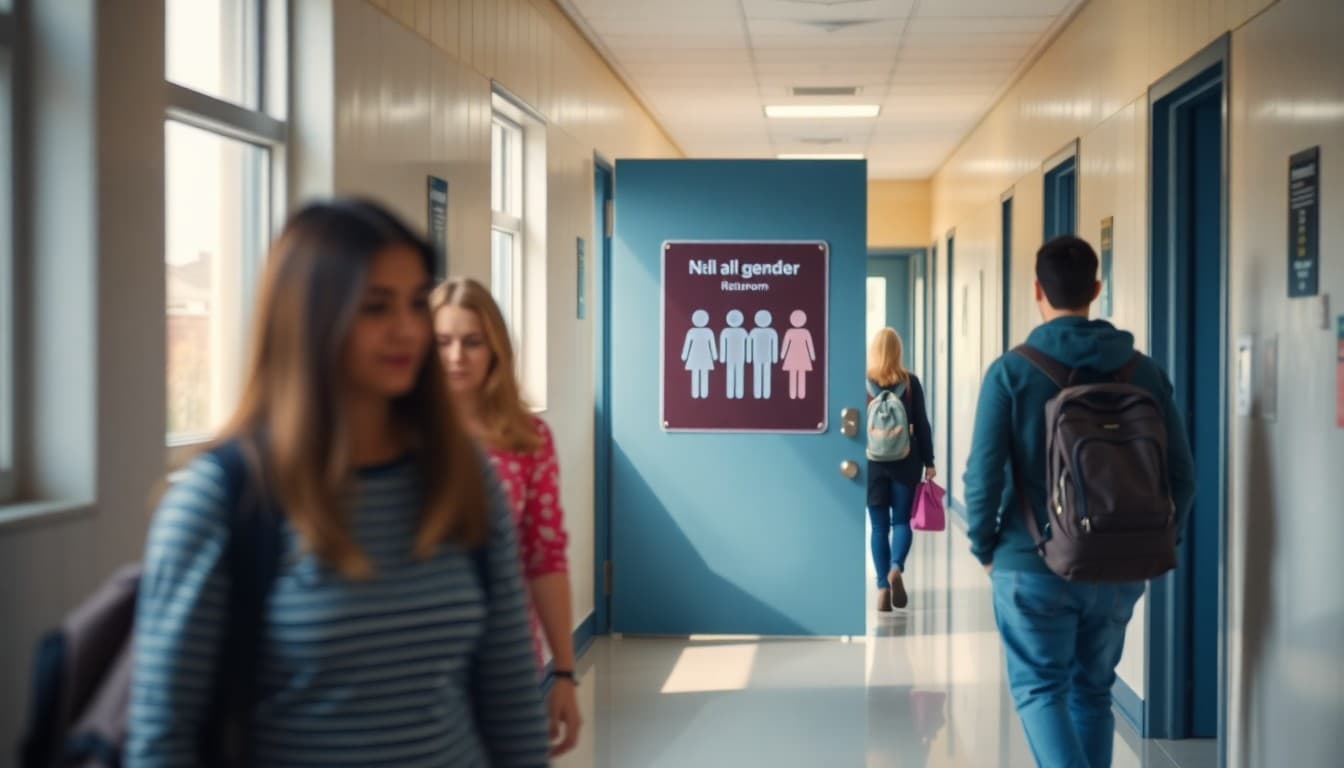
Gender-neutral or all-gender restroom policies have become increasingly common in schools across the country. How a principal communicates this change to families significantly affects the community response. A well-written newsletter communication treats families as professionals who can receive accurate information without drama. Here is how to do that.
Start from district policy, not personal opinion
The most defensible and professionally appropriate communication about any policy that touches on gender identity starts with the district policy authority: 'In accordance with [District Name] Policy [number], our school has designated [number] all-gender restrooms available to all students.'
This framing does three things: it locates the decision at the appropriate level of authority, it signals that this is settled policy rather than an experiment, and it removes the principal from the position of being personally responsible for a district decision.
Describe the logistics accurately and briefly
Families want to know: which restrooms, what they look like (individual stalls with full privacy, not open communal), and who uses them (all students, or specific students). Brief and accurate is better than elaborate:
'The all-gender restroom in [location] includes [number] fully enclosed private stalls. All students may use this facility. Traditional single-gender restrooms remain available throughout the building.'
Protect student privacy in the communication
Never identify or imply which students use the facility. The policy protects student privacy and dignity, and the newsletter communication should do the same. Avoid framing that singles out transgender students even when trying to be supportive.
Communicate what families should not expect to happen
Many families' concerns about gender-neutral bathrooms involve privacy and safety. Addressing these preemptively:
- 'All stalls in the all-gender restroom have floor-to-ceiling privacy dividers.'
- 'Student safety in all restroom areas is monitored by staff as it always has been.'
- 'Students are not required to use any specific restroom and may use the facility of their choice.'
Provide a contact for questions, not a debate forum
End the communication with a contact for families who have questions: 'Questions about this policy? Please contact [name] at [email].' Do not invite feedback on the policy in the newsletter itself. The newsletter is a communication tool, not a public comment form. Families who want to engage with the policy process have official channels for that.
Daystage delivers this kind of policy communication in a consistent, professional format. The tone of the newsletter delivery signals whether this is a routine school communication or a high-stakes political announcement. Keep it routine.
Get one newsletter idea every week.
Free. For teachers. No spam.
Frequently asked questions
Am I required to communicate gender-neutral bathroom policies to families?
It depends on your district and state requirements. Many districts have policies about notifying families of facilities changes or policy shifts. Even where not required, proactive communication prevents the confusion and social media speculation that comes when families learn about changes from their children without context.
How do I communicate a gender-neutral bathroom policy without it becoming a political flashpoint?
Frame it in terms of student dignity and safety, cite your district's policy authority, describe the practical logistics accurately, and do not over-explain or hedge. A factual, brief communication in your standard newsletter tone is less likely to generate conflict than a lengthy communication that signals uncertainty or discomfort. Your tone communicates whether this is a settled matter or an ongoing debate.
What if families push back on the policy through the newsletter?
Redirect to the appropriate channel. The principal newsletter is not a discussion forum. If families have questions or concerns about district policy, direct them to the district's official channels: the district website, the school board meeting process, or the superintendent's office. Your role is to communicate what is in effect, not to adjudicate the policy.
How do I communicate the policy in a way that protects transgender students?
Do not reveal or imply which specific students are using the gender-neutral facilities. Communicate the policy at the school level without identifying individuals. The policy exists to protect student privacy and dignity; the communication should reflect those same values.
What tool helps principals send newsletters efficiently?
Daystage delivers newsletters inline to family inboxes with a professional, consistent format. For policy communications that require precision and professionalism, having a reliable delivery tool matters.

Adi Ackerman
Author
Adi Ackerman is a former classroom teacher and curriculum writer with 8 years in K-8 schools. She writes about school communication, parent engagement, and what actually works in real classrooms.
More for Principals
Ready to send your first newsletter?
3 newsletters free. No credit card. First one ready in under 5 minutes.
Get started free