

Mental Health Referrals in School Newsletters: What Principals Should Communicate
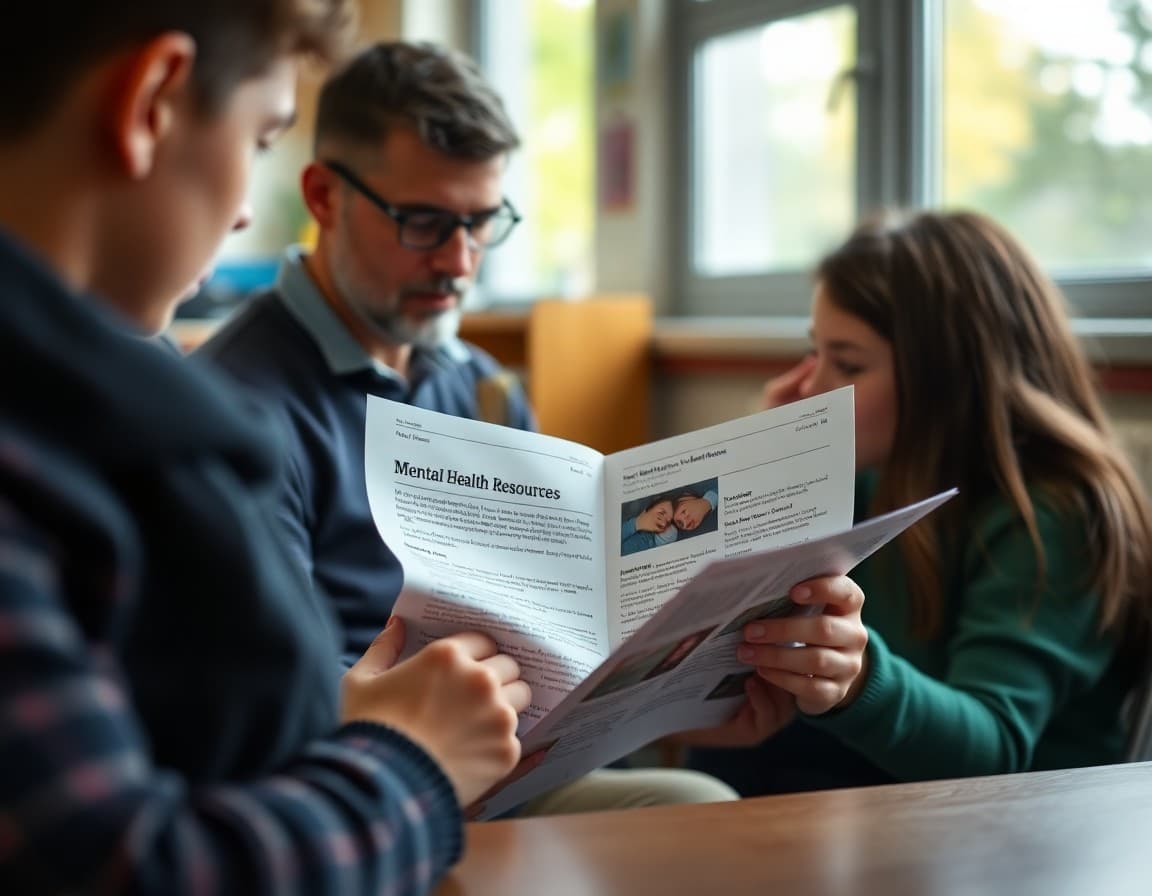
Student mental health is one of the most significant challenges facing schools today, and one of the most stigmatized topics in school-family communication. Principals who communicate about mental health openly and matter-of-factly do two things: they reduce the shame that keeps students from seeking help, and they increase the number of families who reach out before a situation becomes a crisis.
Normalize before you inform
The most effective mental health communication in school newsletters does not lead with crisis resources. It leads with normalization: struggling emotionally is part of being human, seeking support is intelligent, and our school provides that support as a regular service, not as a response to emergencies only.
'Our school counselors support students with social challenges, academic stress, friendship difficulties, and anything else that is making school harder. A student does not need to be in crisis to see a counselor. Any student who wants to talk to someone has a counselor available.'
That framing invites use. Crisis framing discourages it.
Explain the referral process clearly
Many families who suspect their child needs support do not take action because they do not know what taking action looks like. Describe the process in plain language:
- 'To request a counseling appointment for your student, call the office at [number] or email [counselor name] at [email].'
- 'Students can also self-refer by speaking to any staff member or by going directly to the counseling office.'
- 'When a student is referred, the counselor meets with them to understand the concern. Parents are notified for ongoing support, but brief check-in conversations are typically not reported home.'
Address seasonal moments of elevated stress
Some periods of the school year are predictably harder for student mental health: testing season, the weeks before winter break, the transition after a long break, and the spring pressure of end-of-year activities for older students. A newsletter that acknowledges these moments and proactively mentions counseling resources is more useful than one that ignores the seasonal pattern.
Include community mental health resources for families
School counselors have limited capacity and scope. Families dealing with significant mental health needs in their child often need community providers. Include a brief section two to three times a year that lists:
- The district's student support line if one exists
- Local community mental health center contact
- 988 Suicide and Crisis Lifeline (applicable for older students)
- Crisis Text Line (Text HOME to 741741)
- Any school-based therapy programs available through community partnerships
Daystage makes it easy to include these resources in a standing section that updates with seasonal context throughout the year. The consistency of seeing mental health resources in every newsletter gradually reduces the stigma of seeking them.
Get one newsletter idea every week.
Free. For teachers. No spam.
Frequently asked questions
How do I mention mental health in a school newsletter without alarming families?
Use the same tone you use for physical health. 'Our school has a counselor available every day for students who are struggling. Reaching out is the right thing to do, not a sign that something is seriously wrong.' Normalizing language treats mental health support as an ordinary school resource, not a crisis intervention.
What information about the mental health referral process should families have?
Who to contact (counselor name and contact method), how to request a counseling appointment for their child, what happens when a student is referred, whether parental notification is required (varies by state and situation), and what the school can and cannot provide (ongoing therapy is typically not within school scope; school counselors handle short-term support and referrals to community providers).
Should I address school mental health in every newsletter?
A brief standing section that mentions counselor availability and how to access support in every newsletter normalizes mental health without making it a recurring focus. At seasonal high-anxiety moments, test season, holiday break, end of year, a dedicated paragraph is appropriate.
How do I communicate about a school-wide mental health challenge without violating student privacy?
Address the issue at the school or community level, never at the individual student level. 'Our counseling team has noticed increased anxiety among students in recent weeks related to testing season.' That communication is appropriate. Anything that identifies or implies specific students is not.
What tool helps principals send newsletters efficiently?
Daystage makes it easy to include a standing mental health resources section in the newsletter template that updates each month with the relevant seasonal context.

Adi Ackerman
Author
Adi Ackerman is a former classroom teacher and curriculum writer with 8 years in K-8 schools. She writes about school communication, parent engagement, and what actually works in real classrooms.
More for Principals
Ready to send your first newsletter?
3 newsletters free. No credit card. First one ready in under 5 minutes.
Get started free