
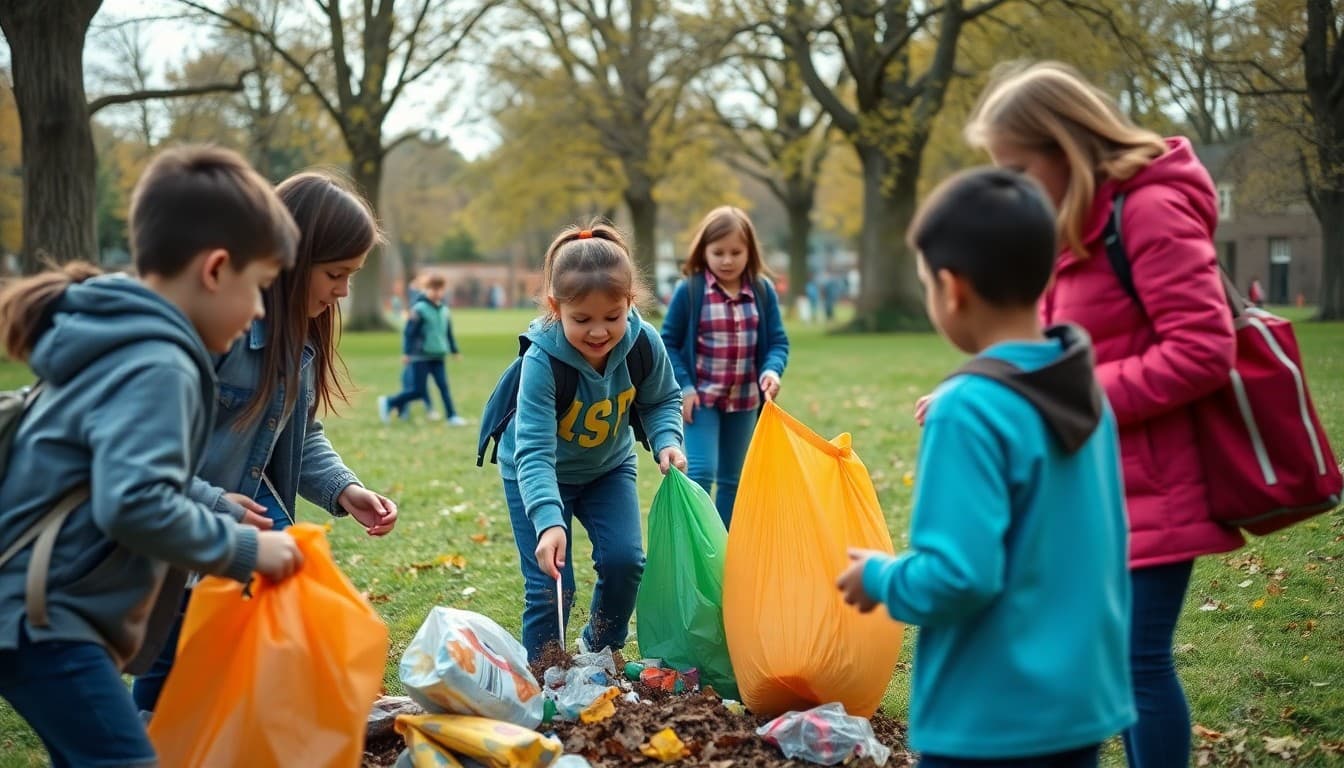
Community Service Day Newsletter: Turning Families Into Partners
Community service days are some of the most powerful events a school can organize. They build school pride, strengthen community relationships, and give students and families a shared purpose outside the classroom. They are also consistently under-attended when the communication is generic. The newsletter is where that changes.
Make the impact concrete from the first sentence
The most effective community service day newsletters open with the impact, not the event. Instead of 'Join us for our annual service day on October 15th,' try: 'On October 15th, our school families will plant 80 trees in [Park Name] as part of the city's urban forestry initiative. Students' names will be on the dedication plaques.'
Impact first. Logistics second. Families decide to attend based on whether the event sounds meaningful, not based on the date alone.
Describe the roles families will fill
Vague invitations get vague responses. If you need families in specific roles, name those roles and the time commitment for each:
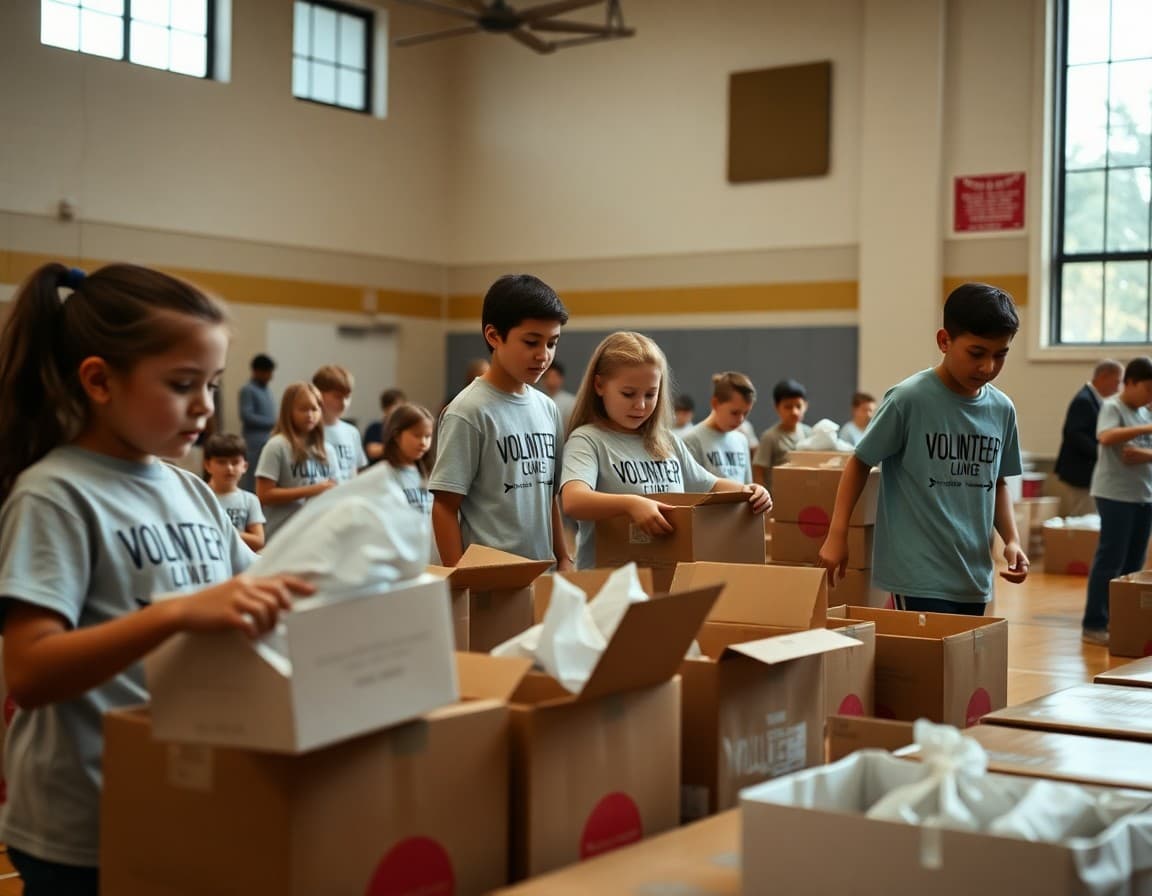
- 'Sorting and packing station: 9 a.m. to 11 a.m., no heavy lifting required, great for families with young children.'
- 'Garden beds and outdoor planting: 10 a.m. to 1 p.m., some bending required, gloves provided.'
- 'Registration and welcome station: 8:30 a.m. to 12 p.m., perfect for families who prefer an indoor role.'
Families who see themselves in a specific role sign up at higher rates than families given a general invitation.
Include a direct path to sign up
Every community service day newsletter needs a sign-up link, a sign-up form, or a reply email address, placed prominently. Not linked in a footnote. Not described three paragraphs in. After the role descriptions, put the sign-up path clearly: 'Sign up here: [link]' or 'Reply to this email with your preferred role and the number of family members attending.'
Friction in the sign-up process is the most common reason well-intentioned families never follow through.
Involve students in the pre-event communication
If students helped choose the service project, or if student leaders are helping organize it, mention that in the newsletter. Families are more motivated to participate when they know their child is invested in the event. A quote from a student planning committee, or a brief description of how the project was selected, adds humanity to the announcement.
Offer an option for families who cannot attend in person
Work and scheduling conflicts will prevent some families from attending. Give them a way to participate anyway. Supply donations, financial contributions to the partner organization, or a meal contribution for volunteers are all options that let families feel part of the effort even if they cannot be there in person. Describe these options in the newsletter so no family feels excluded by circumstance.
Send a post-event newsletter with photos and outcomes
The follow-up newsletter is often the most-opened one in the community service cycle. Families who attended want to see the coverage. Families who could not attend want to know what happened. Include the total number of volunteers, the specific outcome (trees planted, backpacks packed, hours contributed), and a few photos of students and families working together.
This follow-through builds trust in the next service event, because families see that their time led to a real, documented outcome. Daystage makes it easy to include photos and impact numbers in a post-event message that reaches every family in your contact list.
Get one newsletter idea every week.
Free. For teachers. No spam.
Frequently asked questions
How far in advance should I announce a community service day in the newsletter?
Four to six weeks for a school-wide service event. Families need lead time to arrange schedules, and partner organizations need enough notice to coordinate logistics. A longer lead time also gives you space to send a second newsletter one week before with specific role assignments and logistics.
What makes a community service day newsletter effective?
Specificity about what volunteers will actually do, clear sign-up instructions, and a concrete description of the community impact. 'Families will help sort and pack 500 backpacks for homeless youth in our county' is far more compelling than 'join us for a day of service.' The impact statement is what gets families off the couch.
Should the newsletter include a sign-up link or form?
Yes. A newsletter that asks families to sign up but does not include a sign-up link or form loses most of the people who intended to participate. Make the path to signing up as short as possible. If your sign-up requires a form, link directly to the form. If it requires an email reply, include the email address. Every additional step costs you participants.
How do I involve families who can't attend in person?
Offer an alternative way to participate. Supply donations, financial contributions, or virtual support from home are options that make the service day more inclusive. A family who cannot attend but donates supplies still feels connected to the school's mission. The newsletter should describe these options explicitly.
What tool helps principals send newsletters efficiently?
Daystage lets you include sign-up links, event details, and impact statements in a polished newsletter that families receive directly in their inbox. For event-based communication where action is needed, that direct delivery matters.

Adi Ackerman
Author
Adi Ackerman is a former classroom teacher and curriculum writer with 8 years in K-8 schools. She writes about school communication, parent engagement, and what actually works in real classrooms.
More for Principals
Ready to send your first newsletter?
3 newsletters free. No credit card. First one ready in under 5 minutes.
Get started free