

School Coat Drive Newsletter: How to Collect More and Connect Families
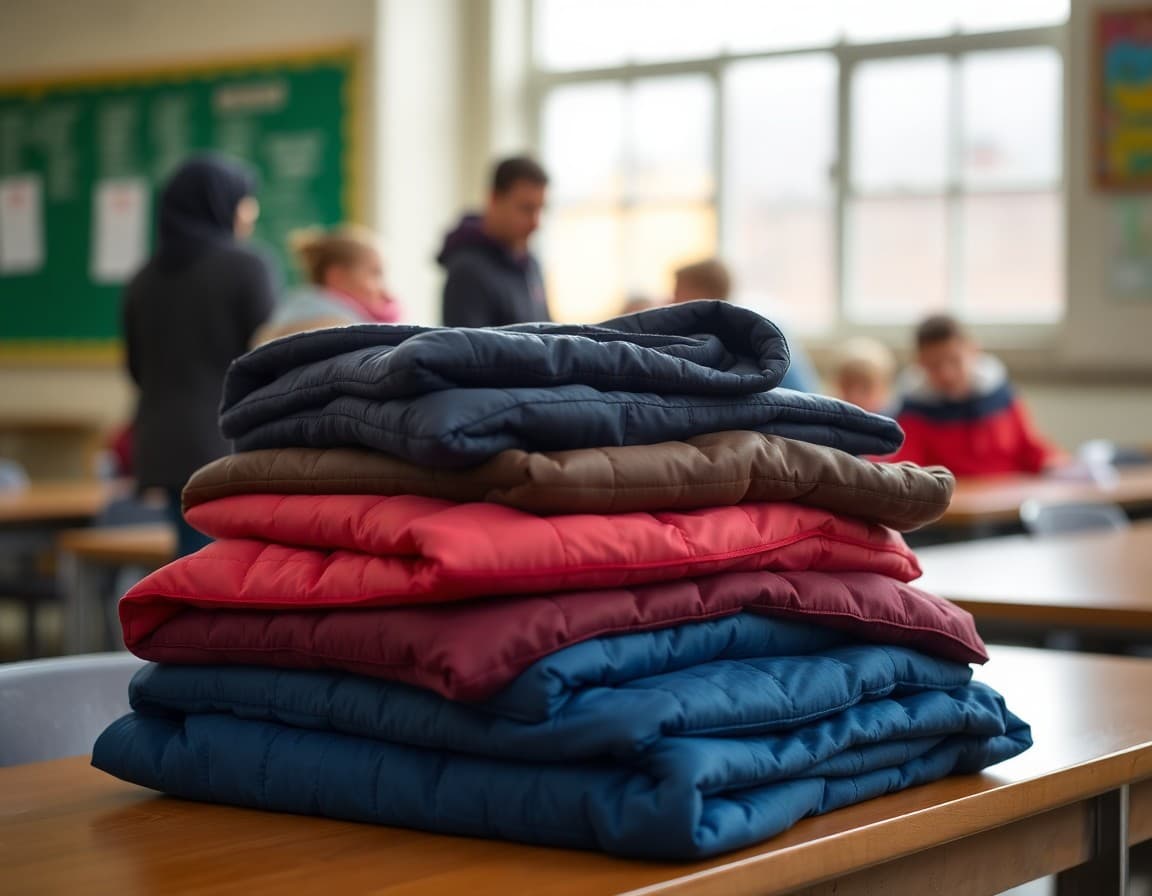
A coat drive is one of the most tangible community service projects a school can run. The need is specific, the donation is concrete, and the impact is immediate and visible. The newsletter is what turns a good intention into a successful drive.
Start with specifics, not sentiment
The most effective coat drive newsletters open with a specific need rather than a general appeal. Instead of 'This winter, we are collecting coats for families in need,' try: 'Our partner organization [Name] serves families in our zip code who cannot afford winter clothing for their children. Last year they distributed 400 coats. This year, they need 600. Our school is helping close the gap.'
Specificity builds urgency. Families who understand the actual scale of the need are more likely to donate than families who receive a generic request.
Be precise about what you are collecting
Families will donate what you ask for. If you ask for 'winter coats,' you will get whatever is in the back of the closet. If you ask for specific items, you get what is actually needed. Include:
- Whether you are accepting new coats, gently used coats, or both
- Specific size ranges that are most needed
- Whether hats, gloves, or scarves are also welcome
- Drop-off location and dates
If the organization distributing the coats has preferences, include those too. Families who donate what is actually needed feel better about contributing, and the partner organization can put the donations to use immediately.
Set a goal families can track
Give families a concrete donation target and update it in your follow-up newsletters. 'Our goal is 300 coats by November 15th. We are currently at 87.' Visible progress creates momentum. Families who almost did not donate but see they can push the school to its goal will often contribute when they might not have otherwise.
Make the drop-off process simple and visible
Families will donate if the path is clear and easy. Name the exact drop-off location: 'The donation bin is in the front entrance, to the right of the office door.' Give a clear deadline. Describe what happens to the coats after collection. Families who can picture the process are more likely to follow through.
Give context to students, not just families
Coat drives with student involvement have better outcomes. In your newsletter, ask families to talk with their child about the drive and why it matters. A brief paragraph that families can share with their child, or that students have already heard discussed in class, turns the drive from a passive donation to an active school value.
Follow up with the outcome
Send a post-drive newsletter with the final coat count and the delivery destination. If you have a photo of the collected coats, or of the delivery to the partner organization, include it. This close-the-loop communication does two things: it validates families who contributed, and it builds credibility for the next time you ask the school community to act.
Daystage is useful for this kind of multi-newsletter sequence because you can draft the announcement, update, and wrap-up as a series and send each on its own schedule. The drive communication runs without requiring you to rebuild a new email from scratch each time.
Get one newsletter idea every week.
Free. For teachers. No spam.
Frequently asked questions
When is the best time to run a school coat drive?
October or early November is the sweet spot. Late enough that the weather has shifted but early enough that families who receive coats can use them through the winter. A mid-September drive often feels premature, and a January drive misses most of the cold season. If your school is in a warmer climate, adjust accordingly and communicate the regional timing in your newsletter.
What coat sizes are typically most needed?
Ask your local coat distribution organization before announcing the drive. Generally, children's sizes 6 through 16 and adult sizes small through extra-large are highest need. Also ask whether they accept used coats or only new ones, and whether hats, gloves, and scarves are needed. Put those specifics in your newsletter rather than a generic 'coats of all sizes.'
How do I encourage coat donations from families who might also need a coat?
Keep the donation and distribution sides separate. If your school is also distributing coats to families in need, do not link the two in the same communication unless you have a system that protects the dignity of both groups. Many schools run the drive and donate externally, then separately partner with an organization to distribute to families in need during a different event.
Can I use the coat drive newsletter to teach students about community responsibility?
Absolutely. A brief paragraph about why people need coats, what it means to have access to warm clothing, and how the school community's contribution connects to the wider city or county gives students context that makes the drive meaningful rather than just transactional.
What tool helps principals send newsletters efficiently?
Daystage lets principals send structured, consistent newsletters for any event or drive. The coat drive communication sequence, including the announcement, update, and wrap-up, can all be managed from one place.

Adi Ackerman
Author
Adi Ackerman is a former classroom teacher and curriculum writer with 8 years in K-8 schools. She writes about school communication, parent engagement, and what actually works in real classrooms.
More for Principals
Ready to send your first newsletter?
3 newsletters free. No credit card. First one ready in under 5 minutes.
Get started free