
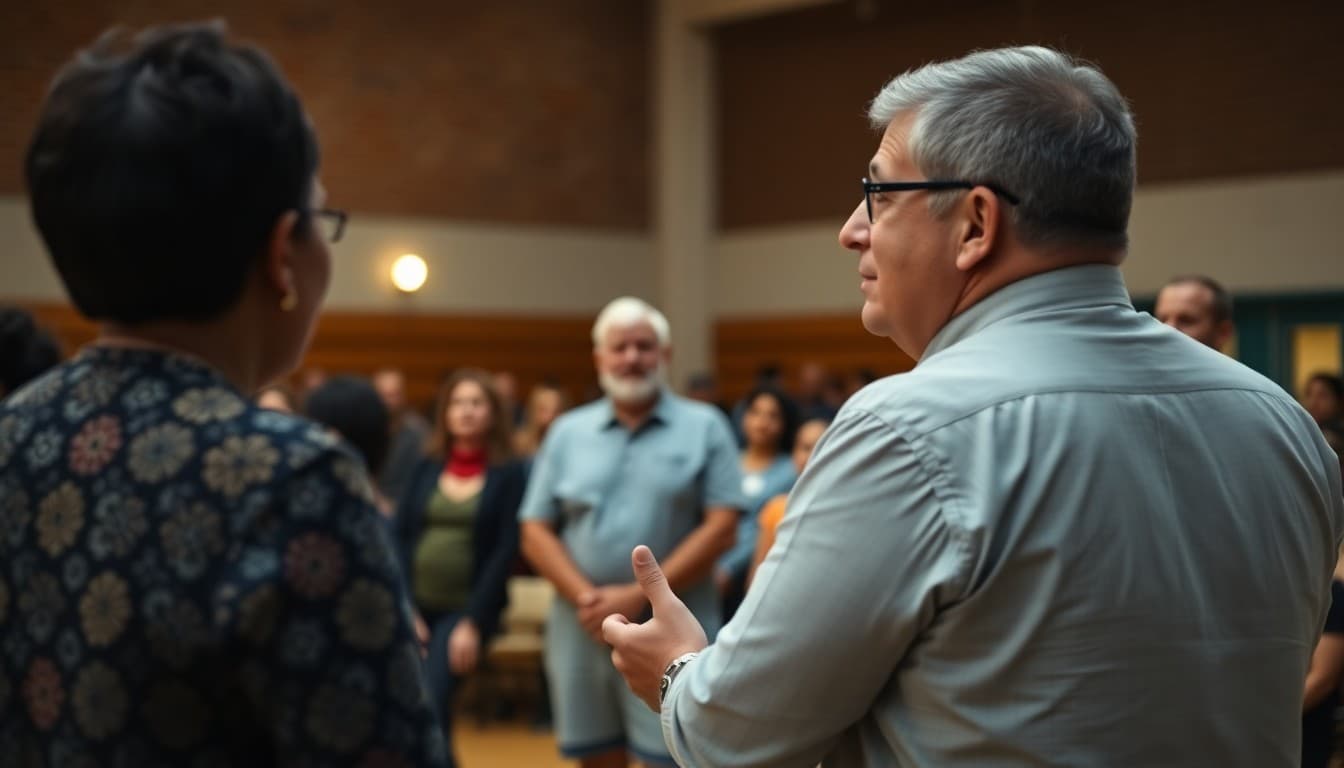
Principal Newsletter: Community Meeting Recap and Follow-Up
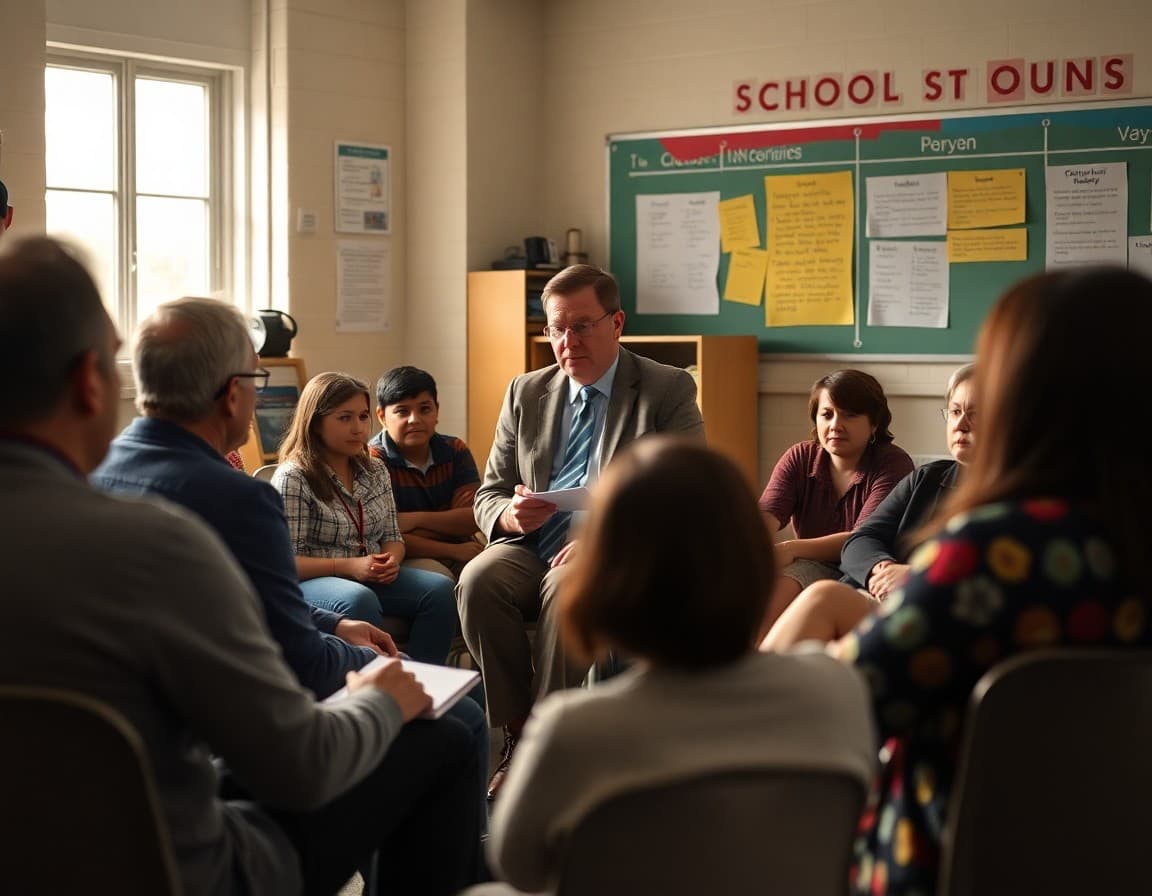
A community meeting without a follow-up newsletter is a conversation that disappears. The families who attended leave without written confirmation of what was discussed. The families who could not attend never learn what happened. Both groups lose confidence in the process. The recap newsletter is what makes a community meeting a real accountability mechanism.
Writing the recap: whose voice comes first
A community meeting recap should lead with what the community said, not with what the principal said. Questions raised: five families asked about the new bell schedule. Six parents expressed concern about the lack of translation at previous meetings. Two community members requested a student mental health update. This framing signals that the meeting was genuinely about listening.
Naming commitments specifically
The most important part of your recap newsletter is the commitments section. What did the school agree to do in response to what was heard. Name the action, the person responsible, and the timeline. A principal who can write a five-item accountability list in the post-meeting newsletter has earned credibility. A principal who can come back to that list in the next community meeting and report on each item has earned trust.
What to do about families who could not attend
Not every family can attend an evening meeting. Your recap newsletter should be written so that a family who was not present can fully understand what happened, what concerns were raised, and what the school is doing about them. This is good communication practice and it eliminates the two-tier dynamic where informed families and uninformed families have different relationships with the school.
Handling difficult or critical feedback in the recap
Do not sanitize the recap. If parents raised serious concerns, name them in the newsletter. A principal who accurately represents critical feedback in a public communication demonstrates integrity. A principal who smooths over criticism in the recap loses the trust of the families who were in the room.
Scheduling the next meeting
Your recap newsletter should include the date of the next community meeting. Families who know there is a recurring opportunity for input are more engaged between meetings.
Using the recap to invite further input
Include a brief feedback link in the recap newsletter for families who want to submit additional comments. Families who could not attend or who thought of something afterward should have a pathway to contribute.
Get one newsletter idea every week.
Free. For teachers. No spam.
Frequently asked questions
What should a principal include in a community meeting recap newsletter?
Who attended, the main topics discussed, specific questions raised by the community, and what the school committed to doing in response. A recap that only summarizes what the principal said misses the point of a community meeting. The community's voice is the content.
How quickly should a principal send a community meeting recap?
Within 48 hours. A recap that arrives a week later reads as an afterthought. Families who attended want confirmation that what they said was heard. Families who could not attend want to know what happened while they were gone.
How do you handle commitments made at a community meeting in the newsletter?
Name them specifically and track them publicly. A newsletter that says we heard your concerns and will look into it is not accountable. A newsletter that says we heard that parking at dismissal is dangerous and we are meeting with the city traffic engineer on March 15 is accountable.
What should a principal do when the community meeting reveals serious concerns?
Address them honestly in the recap newsletter. Avoid corporate-speak and generic reassurances. If parents raised concerns about the principal's accessibility, acknowledge that and describe what changes you are making. Families who see honest acknowledgment of criticism are more likely to continue engaging.
How can principals use Daystage to close the loop after community meetings?
Daystage makes it easy to send a structured follow-up newsletter with embedded action items and timelines. A newsletter that lists specific commitments with owners and deadlines holds the school accountable in a way that a verbal commitment at a meeting cannot.

Adi Ackerman
Author
Adi Ackerman is a former classroom teacher and curriculum writer with 8 years in K-8 schools. She writes about school communication, parent engagement, and what actually works in real classrooms.
More for Principals
Ready to send your first newsletter?
3 newsletters free. No credit card. First one ready in under 5 minutes.
Get started free