
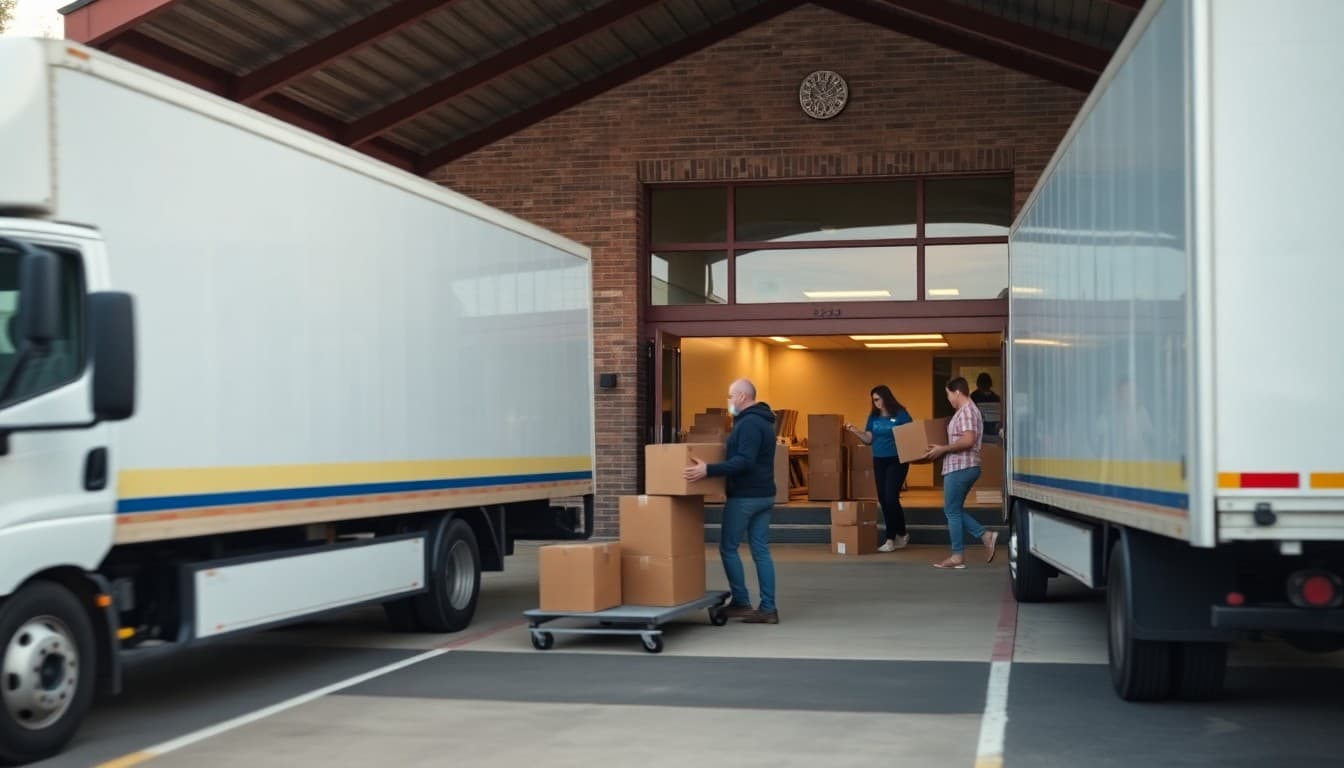
Communicating a School Building Transition in Your Newsletter

A school building move is one of the most logistically complex things a principal can communicate. Families have questions about transportation, routines, safety, and simple things like where to park. Your newsletter is the first place most of them will look for answers. When it is thorough, organized, and honest, you prevent a flood of individual calls and calm a community that has every right to be anxious.
Announce the Move With Full Transparency
Do not bury the lead. "We will be moving to a new building" belongs in the first sentence. Then give the timeline, the reason, and the new address. Families who have to read three paragraphs to find out where their child is going to school will be frustrated before they reach the practical details. Lead clearly, then explain.
Explain the Reason Without Getting Defensive
Whether the move is driven by renovation, a merger, a new construction, or a district decision, families deserve a plain explanation. One paragraph. "The district is relocating our school to the newly renovated Washington Avenue building so we can consolidate services and accommodate our growing enrollment." If the move was not your decision or not your preference, you can say that honestly without undermining the district. "I know not everyone is happy about this change, and I share some of that feeling. My job now is to make this transition as smooth as possible for every family."
Address the Top Practical Questions
Families want to know: Where is the new building? How does my child get there? Where do I drop off and pick up? What is the phone number? What happens to bus routes? Address every one of these in the first comprehensive newsletter. If any of these details are not yet finalized, say so and give a date by which you will have them. Uncertainty is tolerable when it is named. It is not tolerable when it is ignored.
A Template Transition Newsletter Section
Here is an announcement section that hits the essentials:
"Starting September 8, Riverside Elementary will operate from our new location at 440 Oak Street. The move is happening over the summer. Everything that made Riverside what it is -- our staff, our programs, our community -- is moving with us. The building is new. The school is the same. New address: 440 Oak Street, same zip. New main number: (555) 812-4400. Drop-off and pickup procedures remain the same. Updated bus route information will follow by August 20. We are hosting a family walkthrough of the new building on August 28 from 4:00 to 6:00 PM -- all families welcome."
Host a Family Orientation Before the First Day
A walkthrough of the new building before school starts dramatically reduces first-day anxiety for students and families. Announce it in the newsletter and make attendance easy -- offer multiple time slots, no sign-up required. Families who have seen the building, located the nurse's office, and found the cafeteria arrive on the first day with much more confidence than those going in blind.
Keep Communication Frequent Through the Transition
During the move itself -- especially in the weeks surrounding it -- increase your newsletter frequency. Short, specific updates: "Classrooms are set up and ready. Lockers are assigned. The cafeteria opens September 8." These brief notes feel like a principal who is on top of the transition and paying attention to what families need. That perception matters.
Celebrate the New Building
At some point in your transition communication, let yourself be excited about the new space. Name what is better. "The new library is twice the size of our old one. The science rooms have fresh equipment. Every classroom has natural light." Families who have been managing anxiety need to know there is something to look forward to, not just something to adjust to.
Check in After the First Month
A brief newsletter after the first month in the new building closes the transition loop. What went well? What is still being worked out? What did families notice? That kind of honest reflection -- "we are still working on the drop-off flow, here is what we are doing about it" -- builds lasting trust in how you handle change.
Get one newsletter idea every week.
Free. For teachers. No spam.
Frequently asked questions
What should the principal newsletter cover when announcing a school building transition?
Announce the move, explain the reason and timeline, address the practical questions families care most about -- transportation, new address, parking, phone numbers -- and name a person who can answer additional questions. Acknowledge any disruption honestly and tell families how you will minimize it.
How do I manage family anxiety about a school building move through the newsletter?
Acknowledge the disruption directly. Families who feel that their concerns are minimized become louder and more anxious. 'We know this is a big change and we are taking it seriously' is a more effective opener than 'we are excited to announce.' Then follow it with specific logistics and a clear timeline.
How many newsletters should I send during a school building transition?
More than you think you need. An announcement newsletter, a detailed logistics newsletter, a pre-move reminder with final details, a first-week-in-new-building update, and periodic updates during any transition period. Families who are well-informed manage change much better than families who feel out of the loop.
What practical details need to be in the building transition newsletter?
New address, new main phone number, new drop-off and pickup procedures, new bus routes if applicable, how to update emergency contact information, where the nurse and office are in the new building, and what the first week of the transition will look like.
What tool helps communicate a complex transition like a school move to many families at once?
Daystage lets you send formatted newsletters with attached PDFs, maps, and event blocks for family orientation tours. For a transition as significant as a building move, being able to include a map and a timeline in one well-organized newsletter makes the communication much more useful.

Adi Ackerman
Author
Adi Ackerman is a former classroom teacher and curriculum writer with 8 years in K-8 schools. She writes about school communication, parent engagement, and what actually works in real classrooms.
More for Principals
Ready to send your first newsletter?
3 newsletters free. No credit card. First one ready in under 5 minutes.
Get started free