
November Principal Newsletter Template: What to Send Your School Community This Month

November is a month of transitions. Fall is fully settled. Winter is arriving. Parent-teacher conferences are done. Midterm grades are coming out. Thanksgiving break interrupts the rhythm just as the school year hits its academic stride. For principals, November is the month to sustain community momentum through the disruptions and push attendance and engagement before the long holiday break in December.
A strong November newsletter keeps the community connected through a month that can otherwise feel fragmented. Here is what to cover.
Principal's note: naming what November is
The November principal's note should be honest about where the year is. Two months in, the initial excitement of September has settled into the actual work of the year. Families are getting real information about how their students are doing. The year is long enough that some families are starting to disengage. Acknowledge the midpoint energy directly. Name what the school has accomplished in the first two months and what you are working on between now and winter break.
A brief note about the community events happening in November, Veterans Day, the food drive, the winter sports preview, gives families a sense of a school that is alive and active even in the middle of the year.
Veterans Day recognition
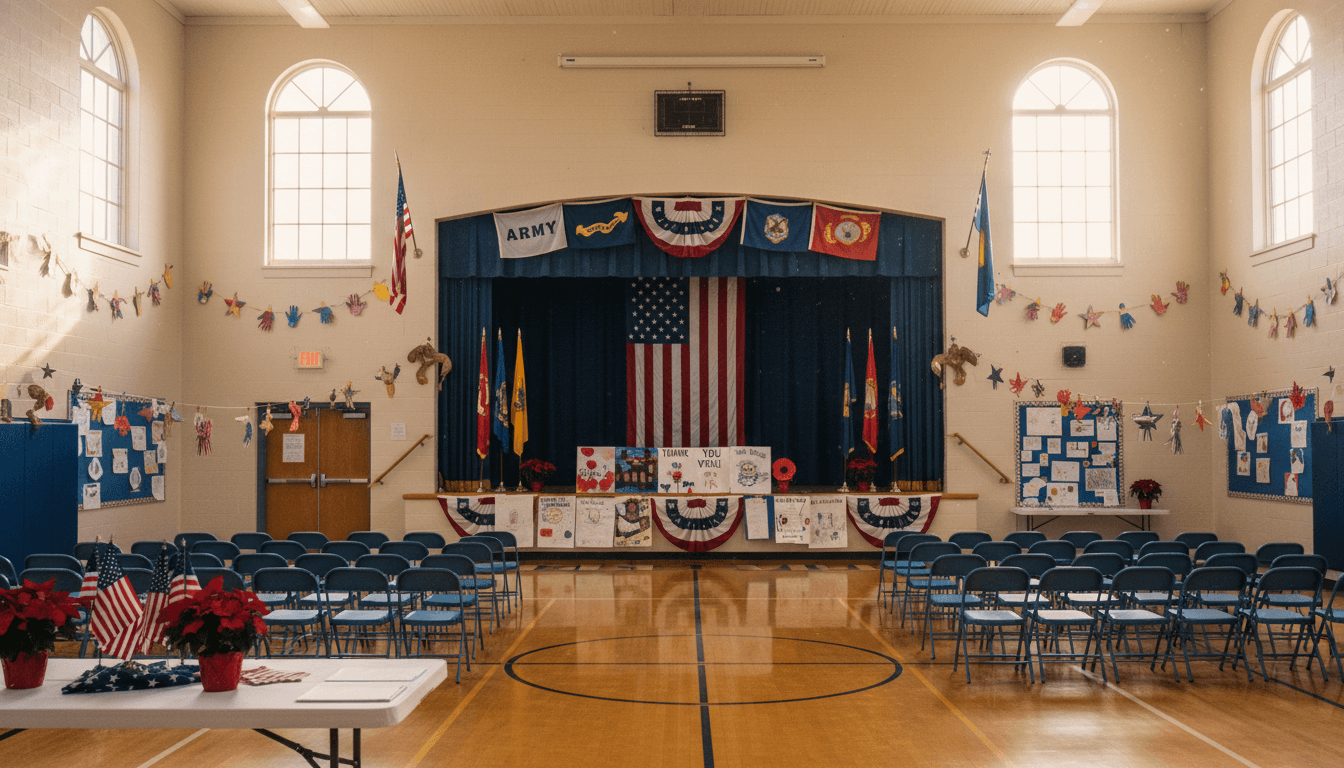
Veterans Day on November 11th should receive genuine treatment in the principal newsletter. If your school holds an assembly, invites veterans to speak, or runs a student project honoring the local military community, describe it specifically. Tell families how they can participate: are veteran family members invited to attend? Can families submit names of veterans to be recognized?
For schools with a significant military family population, Veterans Day communication signals that the school sees and values those families. For schools without a strong military connection, a brief, sincere acknowledgment is more appropriate than an elaborate event that does not reflect the school's actual community.
Thanksgiving food drive
November food drives are a staple of school community service, and the newsletter is where most families first hear about them. Include:
- The specific items most needed and any items that cannot be accepted.
- Drop-off locations in the building and the deadline for donations.
- The community partner receiving the donations: which food bank, pantry, or family organization will benefit.
- Whether there is a class competition or recognition tied to the drive.
- A brief, specific statement about need in the community served, without being generic or sentimental.
Families give more when they understand specifically where their donation goes. Naming the local organization rather than saying "community members in need" doubles participation in most schools.

Midterm grades and academic support
November midterm grades are a key accountability moment. The newsletter should tell families when grades are available, how to access them, and what to do with the information. For families with students who are struggling:
- What tutoring, intervention, or extra help is available and how to access it.
- Who to contact if a family has concerns about their student's academic progress.
- Whether there are grade recovery or credit recovery options for students who are behind.
For families with students who are on track or excelling, a brief encouragement to acknowledge that work at home is appropriate. Students whose academic effort is recognized by families perform better than students who experience grades in isolation.
Attendance before Thanksgiving break
The week before Thanksgiving is one of the highest-absence weeks of the year. Many families extend the break by a day or two in each direction, pulling students out of school during a period with real academic content. Address this directly in the November newsletter.
Name any assessments, projects, or significant class activities happening in the Tuesday and Wednesday before Thanksgiving. Express a clear, respectful expectation that students will be in school as scheduled. A principal who makes the case for attendance during Thanksgiving week with specifics, rather than a general plea, gets more compliance than one who does not address it at all.
Winter sports preview
November is when winter sports begin. The newsletter should include a preview of the winter sports season: which sports are starting, when tryouts or first practices occur, any registration deadlines, and how families can follow schedules and scores. For middle school and high school athletics, include the name of the head coach for each sport and a contact for families with questions.
A brief sentence of anticipation for each sport program builds community excitement before the season starts. Families who see the principal actively promoting winter athletics are more likely to show up at games and meet the school's athletic community.
School improvement plan update
November is typically when schools finalize or present their school improvement plans to the broader community. The newsletter is the right place to summarize the plan in plain language. Pick the two or three focus areas from the plan and describe each in two to three sentences: what the data showed, what the goal is, and what the school is doing to reach it.
Families who understand that school leadership is working from data toward specific goals have more confidence in the institution. A brief, accessible improvement plan summary in the November newsletter tells the community that the school is not just running on routine but actively working on getting better. Include information about how families can engage with the process if your school has a formal parent engagement component.
Get one newsletter idea every week.
Free. For teachers. No spam.
Frequently asked questions
How should a principal recognize Veterans Day in the November newsletter?
Veterans Day falls on November 11th and deserves a genuine mention rather than a form acknowledgment. If your school holds an assembly or invites veterans to speak, describe the event and invite families who are veterans to participate or attend. Name the school's connection to the military community if it is significant: a high percentage of military families enrolled, a partnership with a veterans organization, or a student project honoring local veterans. For schools that do not hold formal events, a brief paragraph expressing the school's recognition and gratitude is appropriate. Avoid language that is purely ceremonial. Families who have served or have family members who served can tell the difference.
What should the November newsletter say about midterm grades?
November midterm grades communication should cover both the logistics and the support system. Tell families when grade reports go out and how they access them, whether through the student information system portal, a mailed report, or a conference. For students who are struggling, explain what intervention or support is available and how families can request it. For students who are on track or excelling, encourage families to acknowledge that work. A principal who connects grade reporting to available support rather than presenting it as an isolated data point builds a more cooperative school community.
How should a principal address Thanksgiving break attendance in November?
The week before Thanksgiving is one of the highest-absence periods of the school year. Families extend travel plans, take students out early, or keep them home for minor illnesses that they would otherwise push through. The November newsletter should address this directly. Note that the school day on the Tuesday and Wednesday before Thanksgiving involves real academic work. Name any assessments or projects happening in that window. Ask families to keep students in school as planned. A direct, respectful request from the principal is more effective than a general attendance reminder that families assume is addressed to other families.
What should a principal include about the school improvement plan in November?
November is typically when school improvement plans are finalized or presented to school communities. The newsletter is the right channel to give families a summary of the plan's focus areas: what data drove the goals, what the school is working on improving, and how families can engage with the process. This does not need to be a full document summary. Two to three sentences on each major goal, written in accessible language without jargon, is enough. Families who understand that the school is working on something specific and data-driven have more confidence in the institution than families who never see evidence of deliberate improvement planning.
How does Daystage help principals stay consistent with communication in November?
November is the month when inconsistent communication habits break down. Parent-teacher conferences just finished, Thanksgiving break is coming, and the year starts to feel long. Daystage makes November communication manageable because the template carries the structure so the principal only fills in the specifics. Scheduling in advance means the newsletter goes out even during the short, fragmented weeks of November. Principals who use Daystage consistently through November report it as one of the months their community engagement stayed strong when it might otherwise have dipped.

Adi Ackerman
Author
Adi Ackerman is a former classroom teacher and curriculum writer with 8 years in K-8 schools. She writes about school communication, parent engagement, and what actually works in real classrooms.
More for Principals
Ready to send your first newsletter?
3 newsletters free. No credit card. First one ready in under 5 minutes.
Get started free