
Middle School Principal Newsletter: What to Send in February

February is a month when the second semester finds its pace. The new year energy from January has settled, spring feels close enough to be motivating, and several important deadlines converge at once. For middle school principals, the February newsletter has to serve multiple audiences: eighth grade families navigating course selection, families of student athletes preparing for spring tryouts, and the full school community observing Black History Month.
Organize the newsletter so each audience can find what matters to them. Clarity and specificity are what make February communication actually useful.
Black History Month: what your school is doing and why it matters
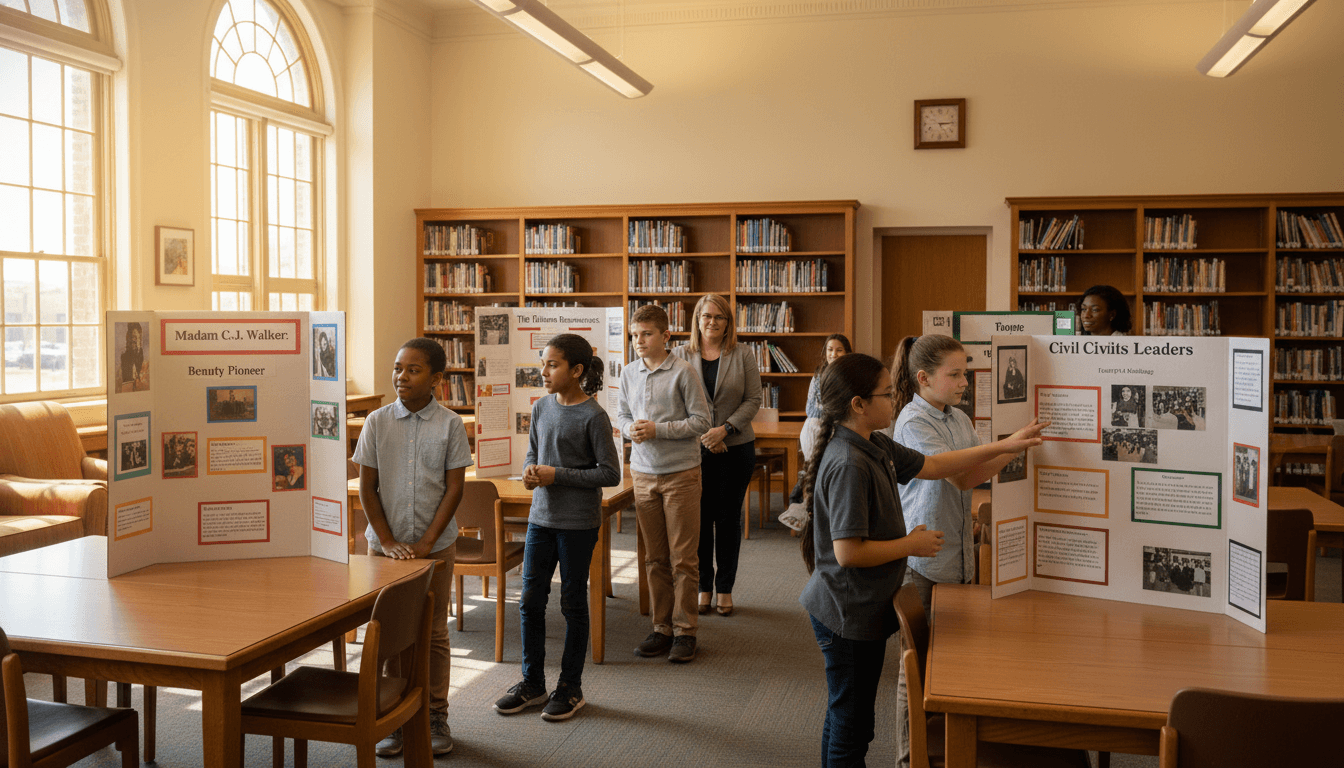
Black History Month deserves real estate in the February newsletter, but the best way to use it is to describe what is actually happening in your school. Name the curriculum connections teachers are making: primary source analysis in social studies, literature units featuring Black authors, art history projects, or a guest speaker series. Families who read a specific description of classroom work feel informed in a way that a general statement about values does not produce.
If your school has student-facing events, displays, or assemblies, give families the dates and a brief description. If there is anything families can do at home to extend the conversation, one concrete suggestion goes a long way. A book recommendation, a documentary worth watching together, or a conversation prompt based on what students are studying in class gives the month a connection point between school and home.
Valentine's Day classroom policy: state it before it becomes an issue
Middle school Valentine's Day policy varies more than elementary policy, but it still generates questions if not addressed in advance. If your school allows classroom exchanges, state the guidelines. If there are no organized activities and the day follows the normal schedule, say that plainly.
The goal is not to be a policy document. The goal is to prevent the situation where a student shows up with cards for the class and finds out no exchange is happening, or where an impromptu gift exchange creates social dynamics that are hard to manage. One paragraph is enough.
8th grade course selection: the deadline is real
If course selection forms are due in February, this is your most urgent message for eighth grade families. State the deadline clearly and in a prominent position in the newsletter. Give the exact date, who receives the completed form, and what to do if a student has questions or has not yet met with the counselor.
Also remind families that course selection decisions affect a student's first year of high school in real terms. Core academic sequences, like math tracks and foreign language levels, often have prerequisites that are difficult to change after the fact. Families who understand this are more likely to engage seriously with the selection process rather than treating it as a form to return.
If counselors are available for last-minute questions or meetings, name the window and the best way to reach them. Many families hesitate to ask for a meeting unless they are explicitly told one is available.

Spring sports tryouts: who, when, and what is required
Spring sports typically begin tryouts or registration in February or early March. If your school has spring athletics, give families the schedule: which sports, when tryouts are held, what grade levels are eligible, and what documentation is required for participation.
The paperwork requirements for middle school athletics vary by district, but they often include a current physical examination, a grade eligibility check, and a parent consent form. If any of these take time to obtain, families need to know in February rather than the week tryouts start. A student who misses tryouts because a physical was not scheduled in time is a frustrating and avoidable situation.
Attendance recognition: acknowledge what is working
If your school has been tracking attendance in the second semester and seeing improvement, February is a good time to recognize it publicly. A statement like "We have seen second semester attendance improve by 8 percent compared to the same period last year. Thank you to families who have made consistent presence a priority" communicates progress and reinforces the behavior you want to continue.
If attendance is still a challenge, continue the message from January with a specific, practical appeal. Name the counselor or coordinator families can contact if consistent attendance is difficult. Give the contact information directly in the newsletter so families do not have to search for it.
PSAT and pre-ACT awareness for 7th and 8th grade families
February is a reasonable time to raise awareness about college-readiness assessments for families of older middle schoolers. You are not telling seventh and eighth graders to start test prep. You are telling families that assessments like the PSAT 8/9 exist for this age range, what they measure, and when your school plans to discuss them with students.
Families who hear about these assessments for the first time in ninth grade sometimes feel the school held information back. A brief, informational mention in middle school gives families a foundation for conversations they can have at their own pace.
Closing February with the spring ahead in view
End the February newsletter by pointing toward spring. March brings testing, April brings major school events, and June arrives before it seems possible. Families who have a rough sense of what the next four months hold are better partners than families who are always reacting to the next announcement.
Close with one thing the school is proud of from the second semester so far. A student accomplishment, an academic outcome, a community moment. Specific and true. February is when the year starts to feel sustainable rather than just survivable, and the closing note of the newsletter should reflect that.
Get one newsletter idea every week.
Free. For teachers. No spam.
Frequently asked questions
What are the main communication priorities in a February middle school newsletter?
February has three items that require family action: the 8th grade course selection form deadline if it falls in February, spring sports tryout dates and eligibility requirements, and any PSAT or pre-ACT awareness information for families of 7th and 8th graders. Black History Month curriculum and Valentine's Day policy are important but informational. Lead the newsletter with what requires a response and deadline, then layer in the cultural and policy content.
How should a middle school principal address Black History Month in the newsletter?
Be specific about what is actually happening in your school. Name the curriculum connections teachers are making, any guest speakers, assemblies, student projects, or displays. Families appreciate knowing that Black History Month is treated as substantive curriculum, not just a bulletin board change. If your school has events families can attend, include the dates. One or two paragraphs with real examples carries more weight than a general statement of values.
What should the February newsletter say about 8th grade course selection forms?
If forms are due in February, this is your most urgent communication for eighth grade families. Give the exact deadline, who receives the completed form, and what options exist if a family has questions or wants to change their selections. Mention that the counselor is available for any student who has not yet met to discuss course selections. Students who submit forms without fully understanding their options sometimes face consequences the following year that could have been avoided.
Should the February newsletter mention PSAT or pre-ACT for middle schoolers?
A brief awareness note is appropriate for families of 7th and 8th graders. You are not telling families their child needs to start test prep now. You are letting them know that assessments exist at this level, what purpose they serve, and when your school plans to discuss them. Families who are surprised by PSAT information in high school sometimes wish they had heard about it earlier. A brief mention in 7th or 8th grade gives them enough time to have a low-stakes conversation with their student.
How does Daystage help middle school principals with the February newsletter?
February is a month where the newsletter needs to speak clearly to eighth grade families with urgent information while also addressing the full school community with Black History Month content and sports schedules. Daystage's content blocks let you organize this naturally so families of younger students are not overwhelmed by course selection details that do not apply to them yet. The built-in event block makes it easy to list tryout dates in a clear, scannable format.

Adi Ackerman
Author
Adi Ackerman is a former classroom teacher and curriculum writer with 8 years in K-8 schools. She writes about school communication, parent engagement, and what actually works in real classrooms.
More for Principals
Middle School Principal Newsletter Guide: Communication Strategies for Grades 6-8
Principals · 8 min read
The Principal's Monthly Newsletter: A Practical Guide for Every Month of the School Year
Principals · 9 min read
How Principals Can Share Academic Results and Data With Families Through the Newsletter
Principals · 8 min read
Ready to send your first newsletter?
3 newsletters free. No credit card. First one ready in under 5 minutes.
Get started free