
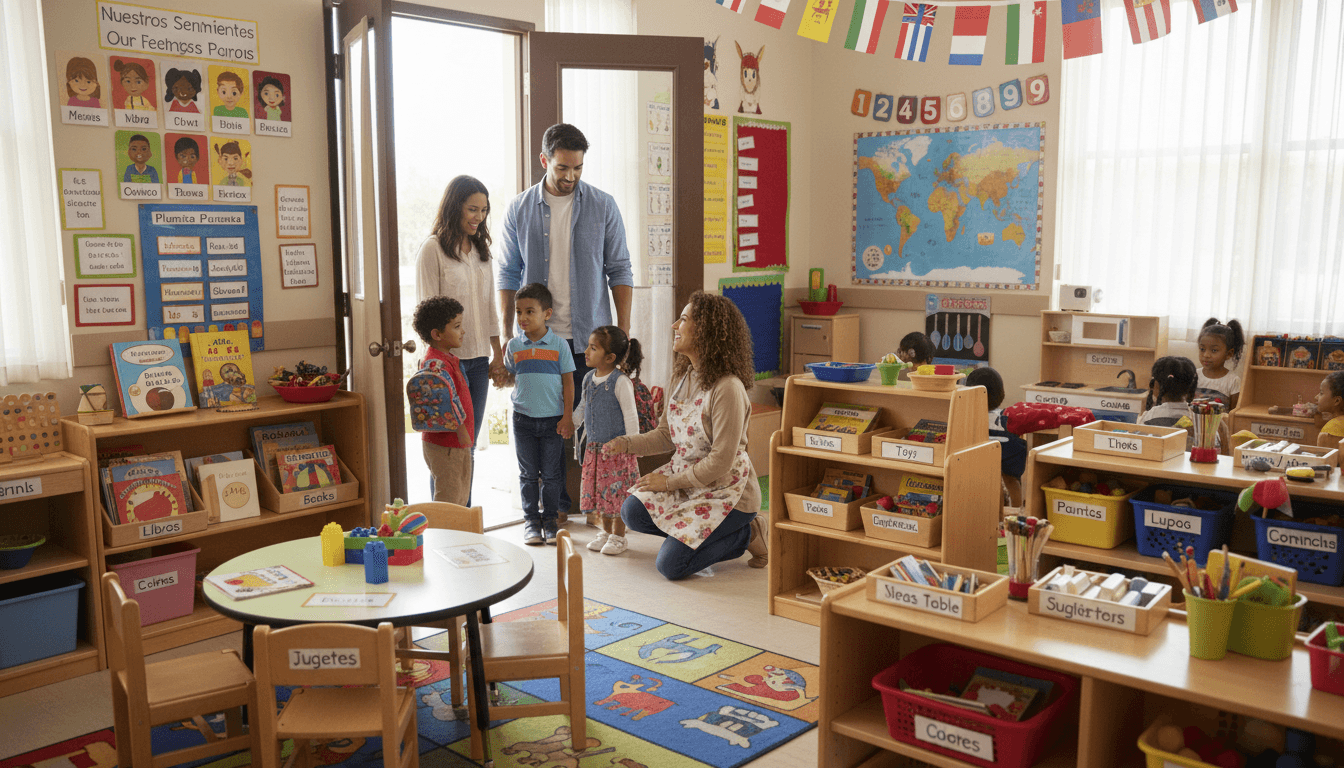
Preschool Supply List Newsletter: What to Ask For and How to Ask
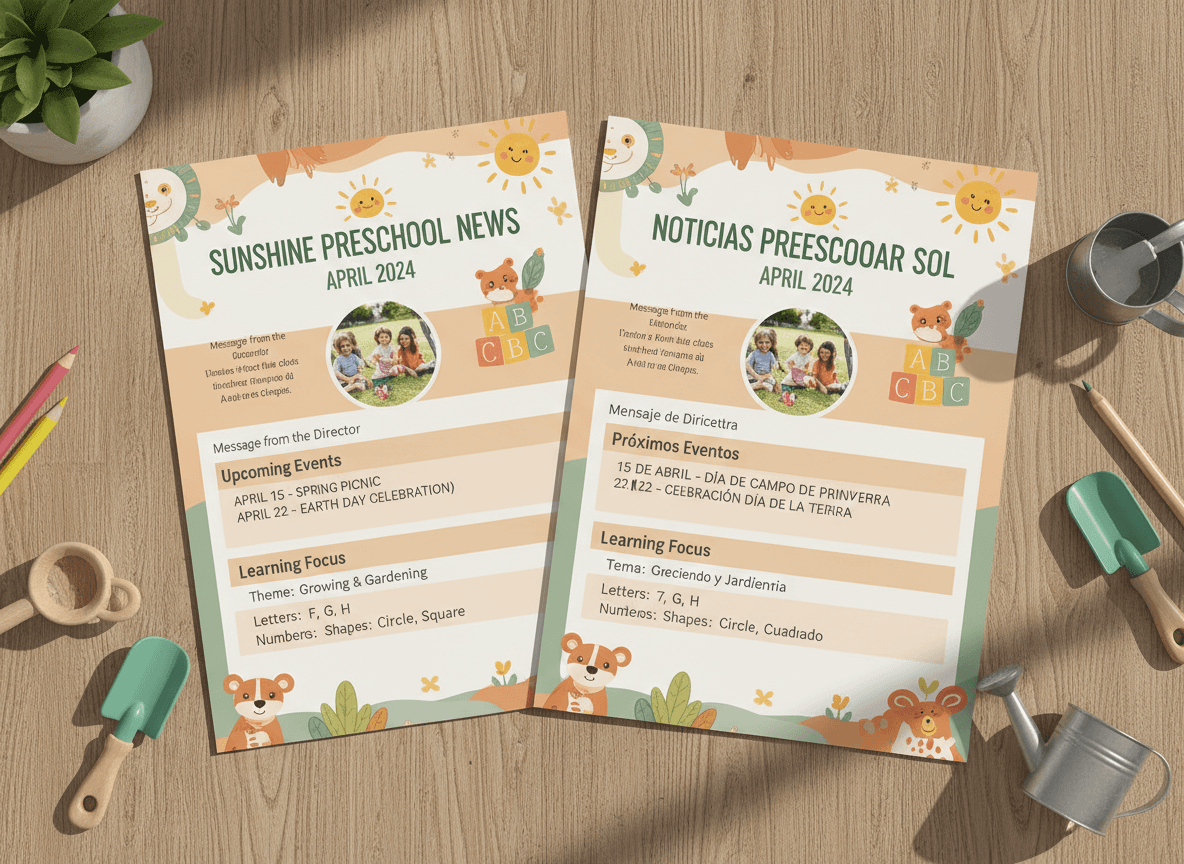
The preschool supply list seems like a straightforward logistical task: tell families what to bring. But the way teachers communicate supply needs affects whether families feel included, informed, or quietly stressed about costs they were not expecting.
A well-written supply list newsletter is specific, honest about what is optional versus required, and gives families who need support a way to ask for it without embarrassment.
Be Specific About What You Actually Need
Vague supply lists create problems. When you write "markers," families buy whatever is on sale. When you write "1 pack of 8 washable Crayola markers, thick tip, labeled with child's name," you get what you actually need and families do not have to guess.
Include for each item: the quantity, any size or type specifications, whether it needs to be labeled, whether it stays in the child's bag or lives at school, and whether substitutions are acceptable. This level of detail saves you from correcting supply mismatches after school starts.
Separate Required From Helpful
Some items are genuinely necessary for every child. Others are extras that help your classroom function but are not required from every family. Label these categories honestly. A parent who buys a "required" item they could have skipped will not resent it. A parent who feels unclear about what is truly necessary and what is optional will resent the ambiguity.
If your program has a classroom fund or accepts donations of shared supplies, say so explicitly. "If you would like to contribute to our shared art materials, we can always use additional glue sticks and construction paper" is different from a list of items every child must bring.
Address Costs and Accessibility Directly
Supply lists have a financial dimension that teachers sometimes avoid naming. Families with fewer resources often feel the stress of back-to-school supply shopping more acutely, and a list that does not acknowledge this creates unnecessary pressure.
Include a short note that gives families a private way to request support: "If purchasing any items on this list creates a hardship, please reach out to me directly or contact the office. We have supplies available and want every child to have what they need." This takes two sentences and removes a significant barrier for families who need it.
What Needs a Label and Why
Preschool classrooms are full of identical backpacks, water bottles, and lunch bags. Labeling is not optional, it is how you prevent a child from going home with someone else's belongings and how you return lost items. Your newsletter should include a labeling section:
- Which items need the child's first and last name
- Where to put the label (inside the collar, on the bottom, on the zipper tag)
- Whether fabric labels, iron-on labels, or permanent marker is your preference
What to Leave Off the List
Preschool families do not need to provide general classroom materials that are part of normal school operations. Check your district or program policies before adding items like printer paper, hand sanitizer, or disinfecting wipes to a family supply list. Some programs have explicit rules about what may or may not be requested from families. When in doubt, request supply donations separately and voluntarily rather than bundling them with required materials.
Timing and Format
Send the supply list as a standalone newsletter two to three weeks before school starts, or include it prominently in your first back-to-school communication. Daystage formats supply lists cleanly within the email body so families can reference the list on their phone while shopping, without opening a PDF or clicking away to a separate form.
Get one newsletter idea every week.
Free. For teachers. No spam.
Frequently asked questions
When should preschool teachers send the supply list newsletter?
Send the supply list two to three weeks before school starts so families have time to shop without rushing. August is typically the best window. Sending it the same week school begins is too late for parents who are already managing first-day logistics.
What should a preschool supply list include?
Be specific about quantities, sizes, and whether items need to be labeled. 'Crayons' is not as helpful as '1 box of 24 crayons, labeled with child's name.' Specificity reduces the number of follow-up questions and helps families who are less familiar with school supply norms get exactly what you need.
How should teachers handle families who cannot afford supplies?
Give families a way to request support privately, either through a form or by contacting you or the office directly. Most programs have access to donated supplies or discretionary funds. What matters is that no child shows up feeling conspicuous for not having what others brought, and no family feels publicly identified as needing help.
Should teachers explain why each supply is needed?
A brief reason for unusual or expensive items helps families prioritize and builds trust. You do not need to justify crayons, but if you need a specific brand of dry-erase marker or a particular size of folder, a one-sentence explanation of why that specific item matters will reduce substitutions that create problems in the classroom.
Can Daystage be used to send supply list communication to preschool families?
Yes. Daystage works well for supply list newsletters because you can format the list clearly within the email body so families do not have to open an attachment or click away to a separate page.

Adi Ackerman
Author
Adi Ackerman is a former classroom teacher and curriculum writer with 8 years in K-8 schools. She writes about school communication, parent engagement, and what actually works in real classrooms.
More for Pre-K
Ready to send your first newsletter?
3 newsletters free. No credit card. First one ready in under 5 minutes.
Get started free