

Preschool Summer Program Newsletter: Keeping Families Engaged Through Summer
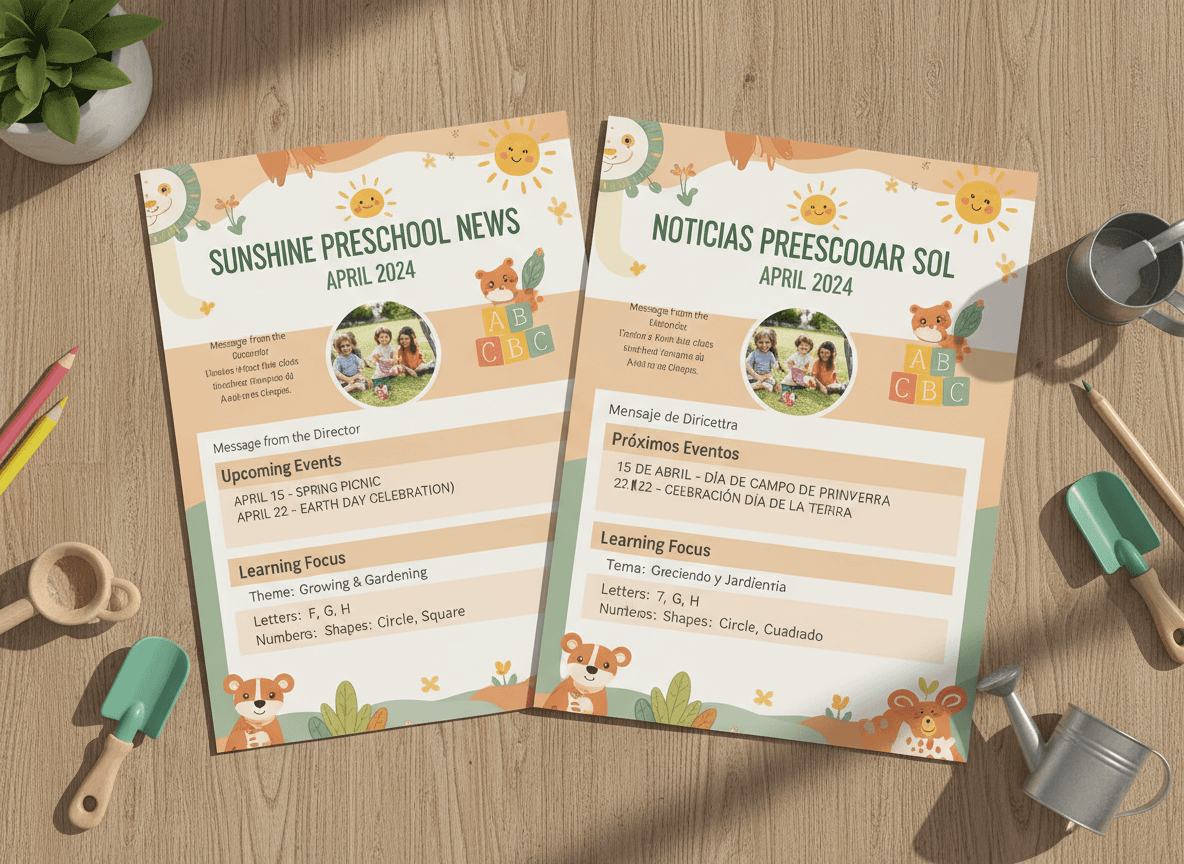
Summer programs at preschool and childcare centers serve a genuinely different population than the regular school year. Some families are there because they need childcare while school is out. Others enroll specifically for the enrichment. And some are new to the program entirely, which means they are also new to your communication style, your staff, and your expectations.
A summer program newsletter addresses all three groups without assuming existing knowledge and sets up the communication pattern for however many weeks you are running.
Start With the Logistics Families Need to Commit
Before families can engage with the fun parts of summer program communication, they need the basics: exact dates, hours, whether the program runs the same schedule as the school year, what holidays are observed, and what the cost and payment structure looks like. Families juggling summer childcare with work schedules are making decisions based on these factors, and burying them in a newsletter about curriculum themes is counterproductive.
If summer enrollment is separate from the school year, include the enrollment deadline prominently. If returning families get priority registration, say so. If spots are limited, say that too. Give families the information they need to act, not just a sense of what summer will feel like.
What the Summer Program Actually Does
Summer programs in preschool vary widely. Some are full curriculum programs with structured learning objectives. Others are play-focused with themes and enrichment activities. Most are somewhere in between. Your newsletter should give families a specific picture of what children will be doing, not just what the theme is.
A theme-based summary ("Week 3: Under the Sea") is less useful than a description of what that theme involves: "Children will do water play, explore different textures with sand and pebbles, make tissue-paper fish, and spend extended time at the sensory table. We will read three books about ocean animals and practice counting fish with number cards."
That level of specificity helps families know what to expect and gives them conversation starters when their child comes home.
Addressing Staff and Routine Differences
Many summer programs run with a different configuration of staff than the school year. Some lead teachers take summer off. Some classrooms combine age groups. Some programs bring in summer-only staff. Families who enrolled during the year and are used to specific teachers deserve an honest heads-up about staffing differences before the first day of summer.
If your program maintains the same staff and routines, say that explicitly. Knowing that their child's familiar teacher will be there through July is genuinely reassuring information.
Outdoor Play and Weather Plans
Summer programs typically involve more outdoor time than the school year, and summer weather in most regions creates specific considerations: heat, humidity, insect exposure, sunscreen, water play, and thunderstorms. Your newsletter should include your outdoor policy for summer specifically, including how you handle extreme heat days and what families need to send.
If your program does water play, be clear about what swimwear families should send, how sunscreen is handled (whether you apply it, whether families need to apply it before drop-off, or whether children do not need it for your program), and how children with sun sensitivity or heat-related medical conditions are accommodated.
Maintaining Communication Through the Summer
Some teachers and programs let communication go quiet in summer. For families who are enrolled, maintaining the same newsletter rhythm as the school year keeps them connected and prevents the feeling that summer is a less-serious version of the program. Daystage lets you keep your regular newsletter schedule running through summer without switching tools or rebuilding templates, which is one less thing to manage when the school year ends.
Get one newsletter idea every week.
Free. For teachers. No spam.
Frequently asked questions
What should a preschool summer program newsletter include?
Cover the program dates and schedule, what children will be doing, what families need to prepare, any differences from the regular school year in terms of staffing or routine, and how to communicate with teachers over the summer. Families making childcare decisions in summer need more logistical detail than they do during the regular year.
How early should preschool programs announce summer enrollment?
Announce summer program enrollment at least eight to twelve weeks before summer begins. Families arranging summer childcare are often working within competing timelines: camp registrations, family vacation plans, and work schedules all have to be coordinated. Early communication gives families the time to fit your program into that planning.
How do preschool summer newsletters differ from regular-year newsletters?
Summer newsletters can be lighter on academic content updates and heavier on logistics and activities. The rhythm of summer programs is often different from the school year, and families need to know what that rhythm looks like before they commit to enrollment. Also, the communication frequency can shift, since some families opt out of summer and do not need the same level of detail.
What do preschool teachers often forget to include in summer program communication?
The most commonly missed items are changes to drop-off and pickup logistics, whether the summer program uses the same entrance and parking as the school year, whether regular staff will be there or summer-specific staff, and what happens on weather-affected days when indoor activities replace outdoor ones.
Does Daystage support summer program communication for preschool teachers?
Yes. Daystage works year-round and lets teachers send the same kind of structured, formatted newsletters in summer that they use during the school year, without requiring a different tool or setup.

Adi Ackerman
Author
Adi Ackerman is a former classroom teacher and curriculum writer with 8 years in K-8 schools. She writes about school communication, parent engagement, and what actually works in real classrooms.
More for Pre-K
Ready to send your first newsletter?
3 newsletters free. No credit card. First one ready in under 5 minutes.
Get started free