
Preschool Separation Anxiety Newsletter: What to Say to Families
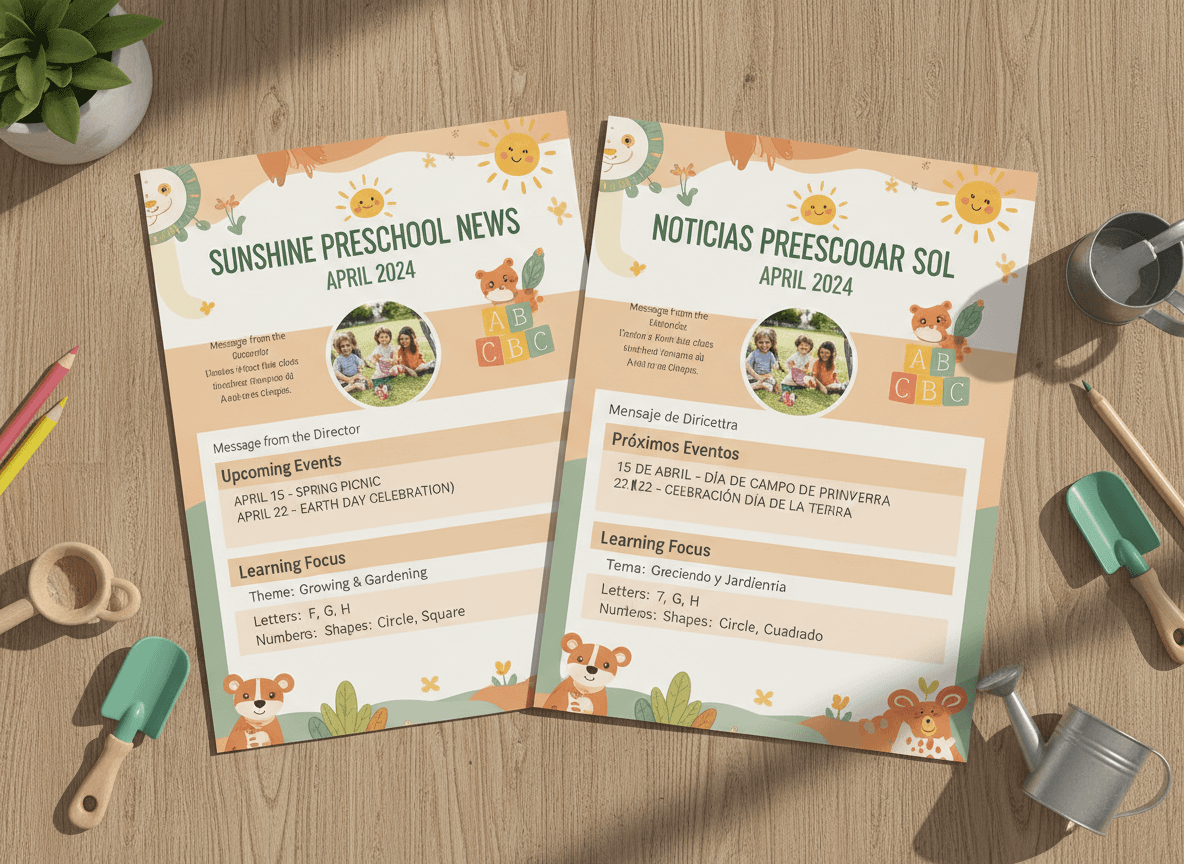
Separation anxiety at preschool drop-off is one of the most common concerns families bring to early childhood teachers. It is also one of the most consistently mishandled by adults who mean well. A newsletter that addresses it directly and practically can change the entire first month of school for the families in your classroom.
The challenge is that most parents arrive at their first preschool drop-off without any mental model for what healthy separation looks like. They have never done this before. A few hundred words from their child's teacher, sent before the first day, can fill that gap.
Start by Normalizing Both Experiences
Your newsletter should open by naming the reality directly: separation at preschool age is hard for many children, and it is hard for many parents too. Both experiences are normal. Both deserve to be addressed. Families feel less alone when their child's teacher acknowledges the full picture rather than just focusing on strategies for managing the child.
What most parents do not know is that separation anxiety at this age is developmentally expected, not a sign that something is wrong with their child or that they are being harmed by attending school. A clear statement of this fact, from a teacher who sounds like she knows what she is talking about, is genuinely reassuring.
Describe What You Actually Do
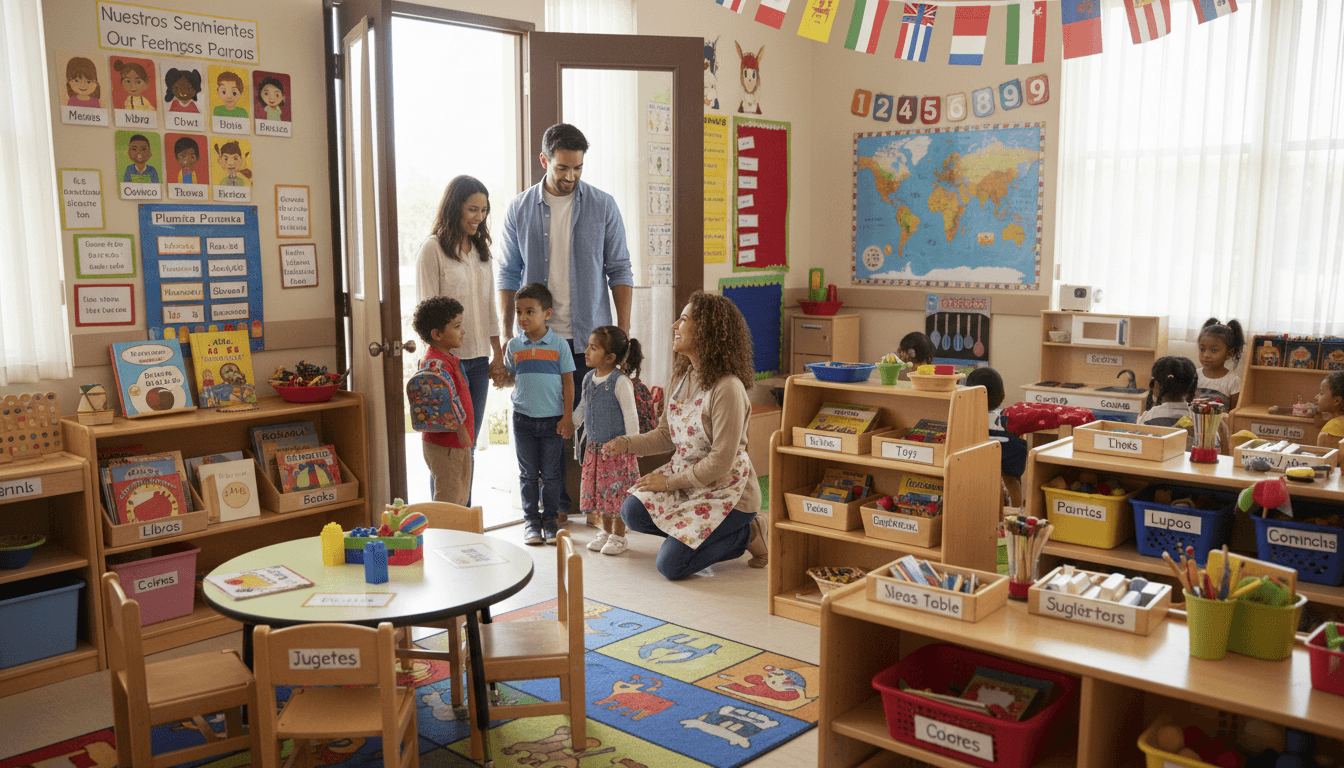
Parents whose children cry at drop-off spend the next two hours imagining worst-case scenarios. The best thing you can do in your newsletter is tell them exactly what happens in your classroom after a difficult goodbye. Walk them through it:
- What does the teacher do when a child is upset?
- Where does the child go? Who is with them?
- How long do most children take to settle?
- Is there a way for parents to check in during the morning if they are worried?
These specifics matter. "We will take good care of them" is not as calming as "Most children settle within ten minutes. If your child is still upset after twenty, we will call you. That rarely happens."
Give Parents a Goodbye Script
One of the most useful things a teacher can put in a newsletter is a specific goodbye phrase. Not because there is magic in particular words, but because parents in emotional moments default to whatever comes out, which is often a prolonged negotiation or an open-ended question like "Are you okay?"
A script looks like this: "Give one hug, say something like 'I love you, have a great day, I'll be here at pickup,' then leave. Do not ask if they are okay. Do not come back when they cry. Do not linger outside the door." Give them permission to walk away. It sounds harsh in writing but it is genuinely what most early childhood experts recommend, and parents follow through on it much more consistently when their child's teacher has endorsed it explicitly.
Address the Parents Who Find It Hard to Leave
Some parents at preschool drop-off are more distressed than their children. This is more common than teachers acknowledge publicly, and it can significantly extend drop-off difficulty. Your newsletter should speak to this plainly.
Something like: "For some families, the goodbye is harder on the adult than the child. If that is you, know that it is normal and that your child picks up on your emotional state. A confident, brief goodbye genuinely helps your child settle faster. It is not about being cold. It is about giving your child the message that this place is safe and you trust it."
The First Two Weeks Versus the First Two Months
Families also need a realistic timeline. Most children experience the hardest separations in the first two to three weeks and improve noticeably from there. Some children need four to six weeks. A small number have a harder time and may need additional support.
Telling families upfront that this is a process, not an event, prevents the panic that sets in when a child is still upset at drop-off during week two. It also gives you a natural checkpoint: if a child is consistently not settling after six weeks, that is a signal to have a more detailed conversation with the family.
When to Send This Newsletter
The separation anxiety newsletter is most effective as part of your back-to-school packet, sent five to seven days before the first day. If you are already into the school year and drop-offs are difficult, send a targeted update now. Use Daystage to format and send it directly to families so it arrives as a readable email, not an attachment they have to open separately.
Get one newsletter idea every week.
Free. For teachers. No spam.
Frequently asked questions
When should teachers send a separation anxiety newsletter?
Send it before school starts, ideally in the back-to-school communication packet, and again during the first two weeks if drop-offs are rough. Families who have not experienced preschool separation before need the information before they are already in a distressing moment, not after.
What should a separation anxiety newsletter include?
Normalize the experience first, then give specific guidance. Tell parents what you do when a child is upset, how long the distress typically lasts, and what drop-off gestures help versus prolong the difficulty. Include a sentence parents can actually say out loud so they are not searching for words at 8 a.m.
How should teachers handle parents who cannot leave quickly?
Acknowledge it directly in the newsletter. Some parents find leaving harder than the child does. Give them a concrete plan: one hug, one phrase, one goodbye, then walk. Tell them that turning back when a child protests tends to extend the distress rather than resolve it, and that children who cry at goodbye typically calm within minutes.
Does communicating about separation anxiety in newsletters actually help?
Yes. Parents who understand what to expect arrive at drop-off calmer, and calmer parents produce calmer goodbyes. The newsletter does not eliminate separation feelings but it eliminates the layer of panic that comes from not knowing whether what is happening is normal.
Can Daystage help teachers send separation anxiety communication?
Daystage lets teachers send formatted newsletters directly to families, so a thoughtful separation anxiety update can go out before the first week begins without any extra formatting work.

Adi Ackerman
Author
Adi Ackerman is a former classroom teacher and curriculum writer with 8 years in K-8 schools. She writes about school communication, parent engagement, and what actually works in real classrooms.
More for Pre-K
Preschool Community Helper Theme Newsletter: Connecting Learning to Home
Pre-K · 5 min read
Preschool Monthly Newsletter Template: A Repeatable Structure That Saves You Time
Pre-K · 7 min read
Preschool Teacher Self-Care Newsletter: Supporting Families Through the Emotional Work of Parenting Young Children
Pre-K · 5 min read
Ready to send your first newsletter?
3 newsletters free. No credit card. First one ready in under 5 minutes.
Get started free