
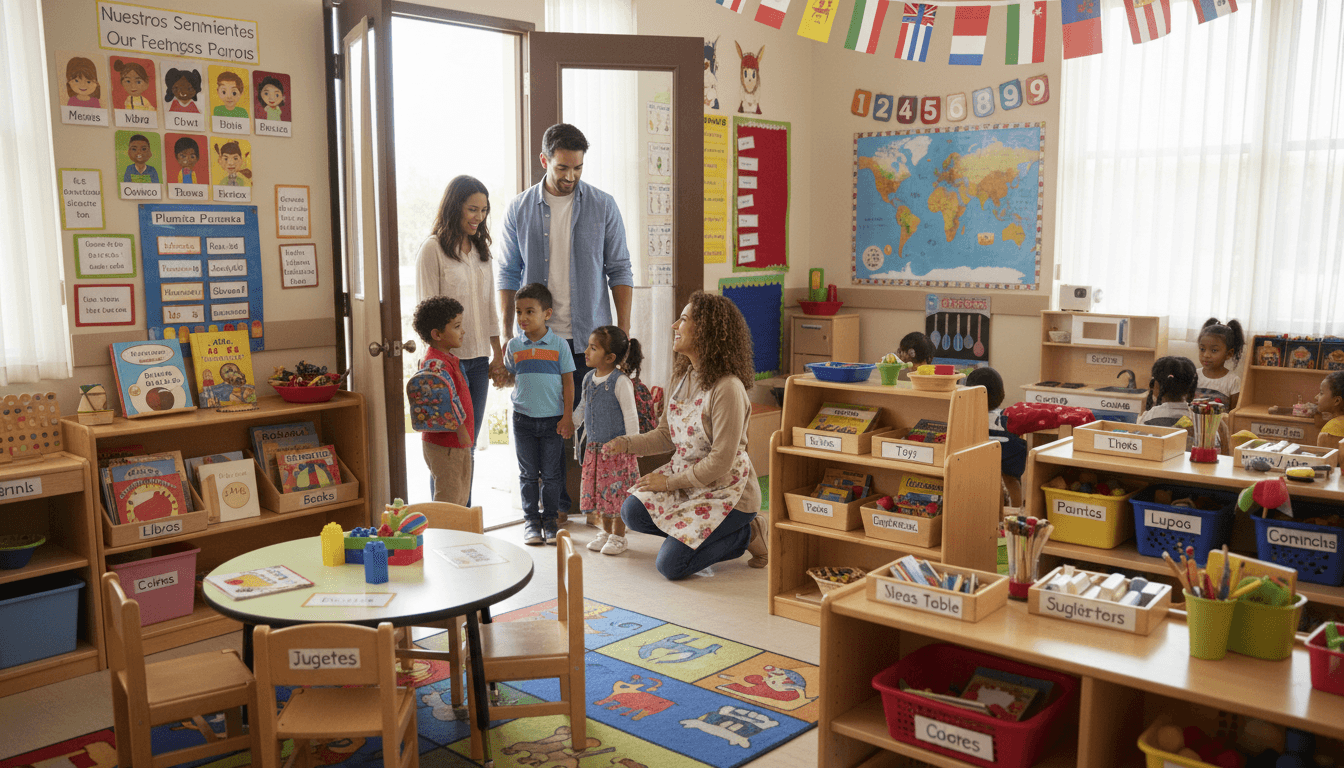
Preschool Discipline and Behavior Newsletter: Talking to Families About Big Feelings
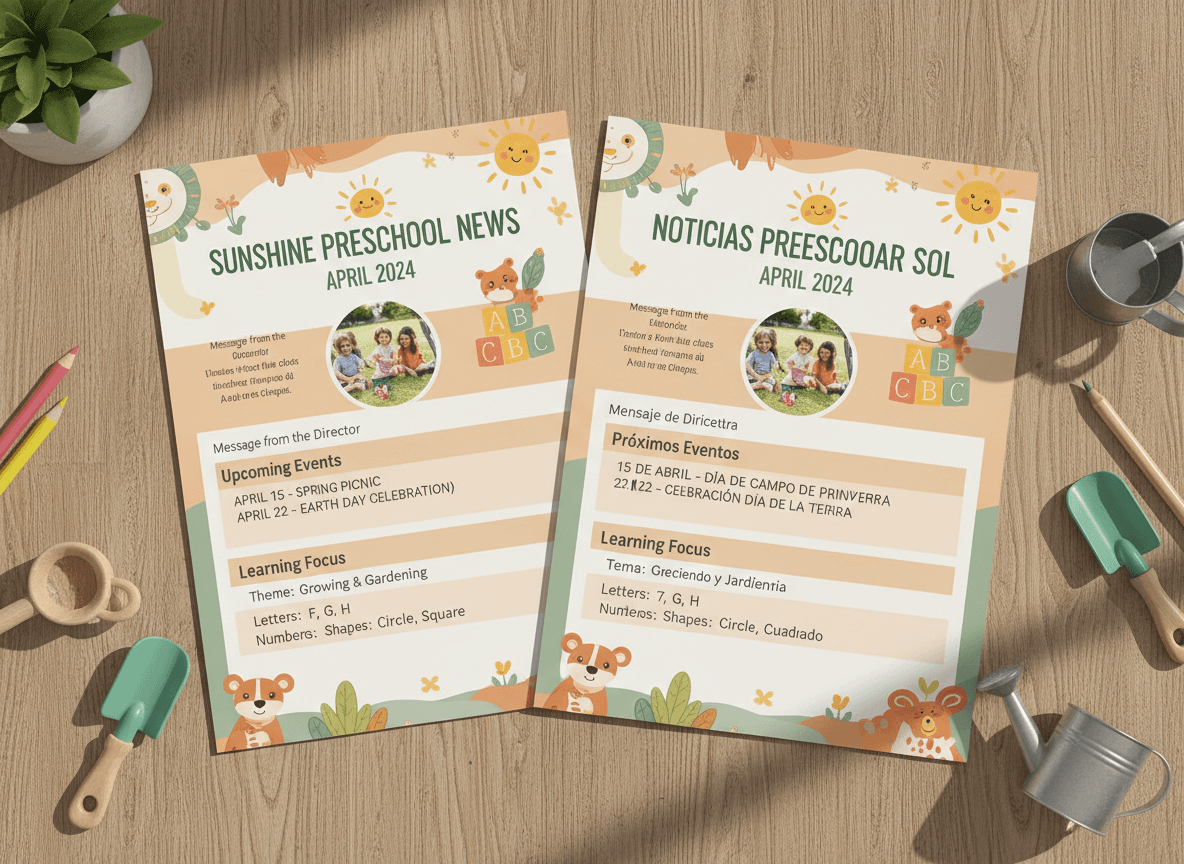
Preschool behavior is one of the most charged topics in early childhood family communication. Families have strong opinions about discipline, their opinions vary widely, and when they do not understand your approach, even a brief note about a classroom incident can escalate into a conflict.
A newsletter that explains your behavior approach at the start of the year, before any problems arise, prevents most of that conflict and gives families the context to understand what happens when their child has a difficult day.
Explain Your Framework, Not Just Your Rules
Most families know that preschool programs have rules. What they do not know is why those rules look the way they do and how you respond when children do not follow them. Your newsletter should explain both.
If you use a specific framework like Conscious Discipline, Pyramid Model, or another evidence-based approach, name it and explain it briefly. If you have developed your own approach, describe it in terms of its core assumptions: that preschool children are still developing impulse control, that behavior is communication, that your role is to teach skills rather than punish their absence, and that consistency is more important than severity.
Your Classroom Agreements
Share the three to five agreements that govern your classroom. Make them positive and specific:
- We take care of ourselves
- We take care of each other
- We take care of our classroom
- We use our words when something is wrong
- We try again when something is hard
Families who know these agreements can reference them at home when their child reports that something went wrong at school. "What does your teacher say about taking care of each other?" is a more productive question than "What happened?"
How You Respond When Behavior Is Difficult
Parents who do not know how you handle misbehavior will imagine something. Tell them what you actually do. A description of your typical response sequence helps families understand your approach and reduces the anxiety that comes from not knowing.
Example: "When a child is struggling, our first response is to help them identify what they are feeling and why. We use a calm corner or cool-down space where children can choose to go when they need a break. We follow up with problem-solving: what happened, what could we do differently, what would make it right. We reserve removal from the activity for safety situations only."
What Families Will Hear About and How
Set expectations about when and how you communicate about behavior. Tell families that minor daily struggles are a normal part of preschool and you will not send a report for every incident. Tell them that a pattern or a concerning situation will come to them through a private conversation, not a newsletter or a note sent home with their child. And tell them that they can always reach you with questions.
The Home Connection
Include one or two things families can do at home to support the same approach. Naming feelings during everyday conflicts, giving children language for what they need, and following through on stated expectations consistently all reinforce what children are learning in class. Daystage makes it easy to include this kind of home connection section in a structured behavior newsletter without it feeling like a lecture.
Get one newsletter idea every week.
Free. For teachers. No spam.
Frequently asked questions
What should a preschool discipline and behavior newsletter include?
Explain your program's approach to behavior: what framework you use, what your classroom rules or agreements are, how you respond when children have difficulty, and what families can expect to hear about if their child has a significant behavior concern. Families who understand your approach before a problem arises are easier to work with when a problem comes up.
How do you explain positive discipline to preschool parents who expect traditional consequences?
Frame positive discipline in terms of what it accomplishes. Research on brain development at this age shows that skill-building approaches produce longer-lasting behavior change than punishment-based approaches. Children who are taught to identify feelings, regulate, and problem-solve build a foundation for self-management. Those skills do not develop through time-outs alone.
How should teachers communicate about a specific child's behavior concern?
A specific behavior concern involving one child is never addressed through the class newsletter. Those conversations happen privately and individually. The newsletter sets the framework. Individual conversations address individual situations.
What classroom rules or agreements work well for preschool newsletters?
Simple, positive, and few. Three to five rules framed in terms of what to do rather than what not to do are the most effective for preschool age: 'We take care of each other,' 'We use gentle hands,' 'We share the space.' Sharing these with families helps children hear consistent language at home and school.
Can Daystage help teachers send behavior and discipline communication to preschool families?
Daystage works well for policy newsletters like behavior approaches, where a clear, structured format helps families find the information they need without feeling overwhelmed by a long policy document.

Adi Ackerman
Author
Adi Ackerman is a former classroom teacher and curriculum writer with 8 years in K-8 schools. She writes about school communication, parent engagement, and what actually works in real classrooms.
More for Pre-K
Preschool Holiday and Celebration Newsletter: Navigating Diversity and Inclusion
Pre-K · 6 min read
Preschool Snack and Nutrition Newsletter: What Families Need to Know
Pre-K · 5 min read
Early Childhood Special Education Newsletter: Communicating with Families of Young Children with Disabilities
Pre-K · 8 min read
Ready to send your first newsletter?
3 newsletters free. No credit card. First one ready in under 5 minutes.
Get started free