
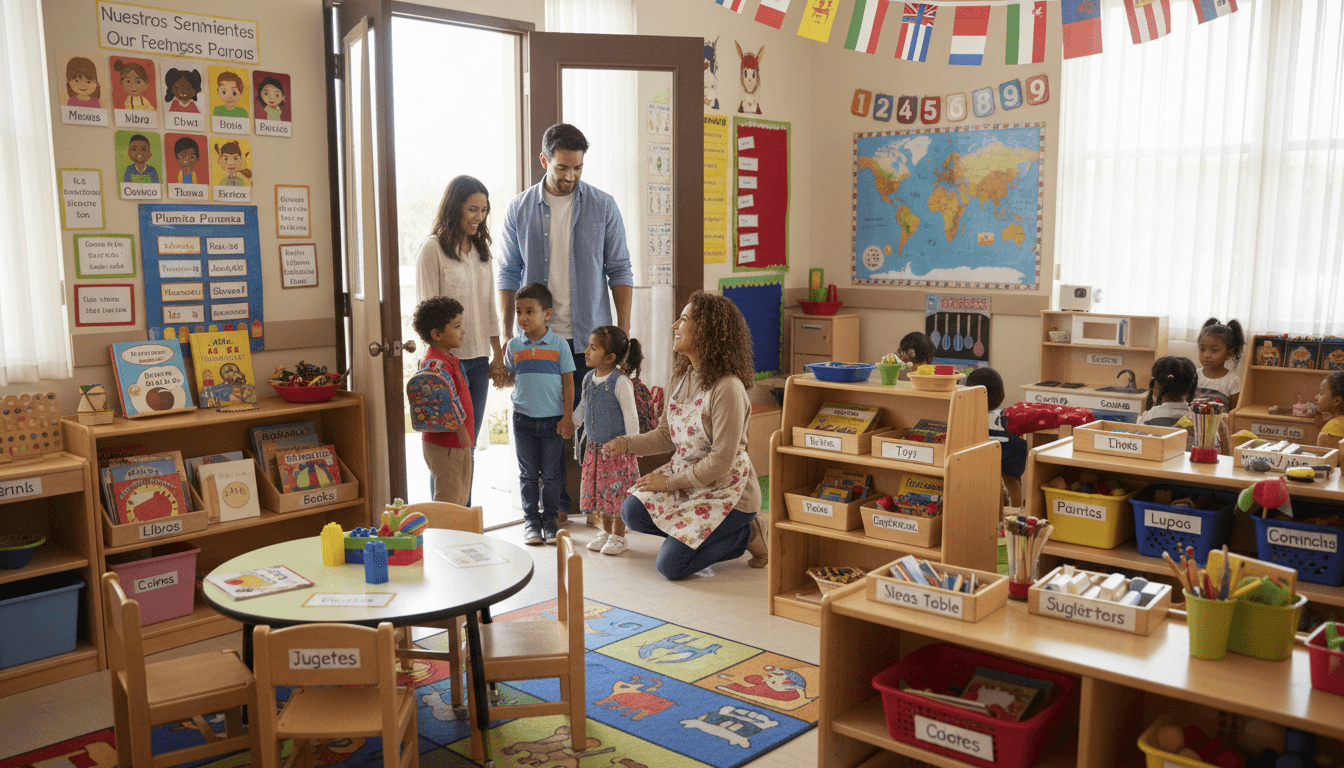
Preschool Holiday and Celebration Newsletter: Navigating Diversity and Inclusion
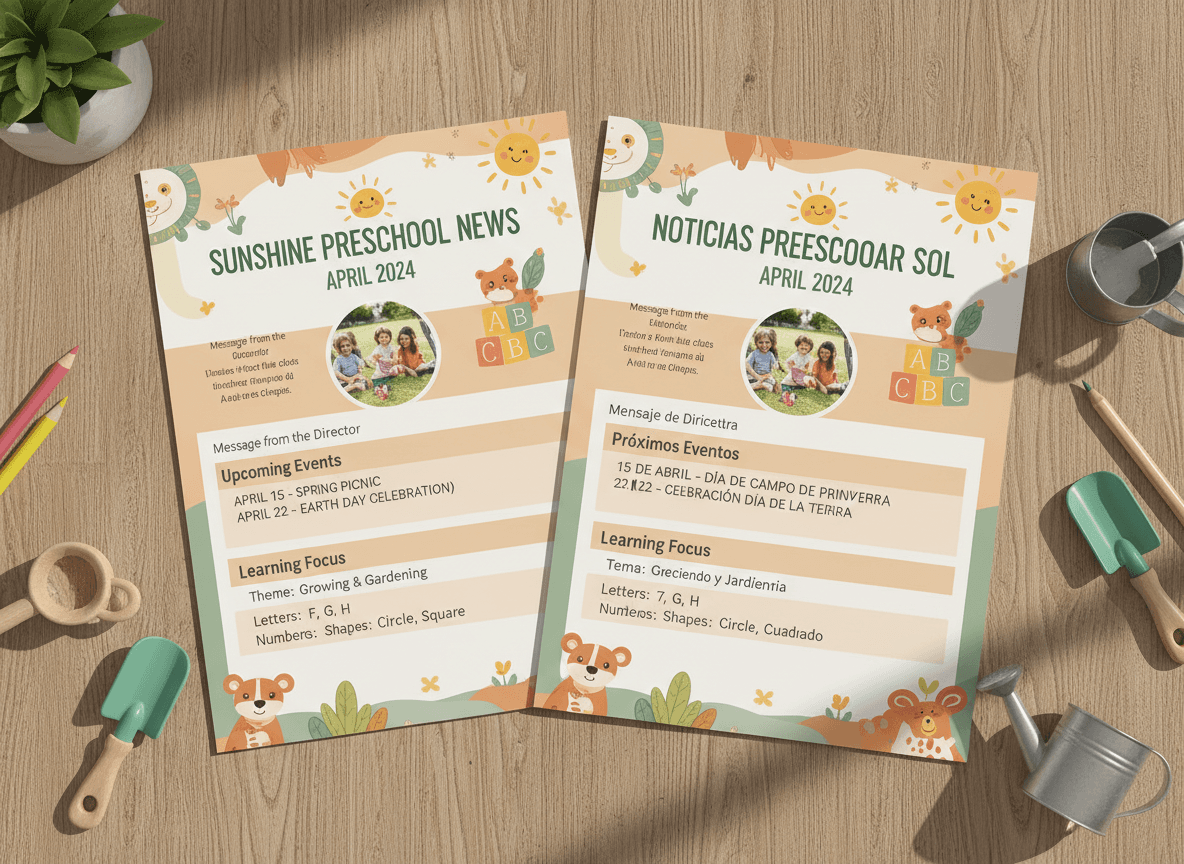
Holiday and celebration communication in preschool is genuinely complex. Most classrooms are religiously and culturally diverse. Most families have strong feelings about how holidays are handled in their child's school. And most teachers are trying to be inclusive without fully knowing which families observe which traditions or where individual families draw their lines.
A newsletter that addresses this proactively, before the holiday season begins, prevents most of the conflicts that arise when families are surprised by what their child experienced at school.
Be Specific About What You Will Do
The most useful thing a preschool teacher can do in a holiday newsletter is name the actual holidays and activities planned rather than speaking in vague terms about "celebrating the season" or "honoring different traditions." Families who do not know what is coming cannot prepare their child, cannot ask questions in advance, and cannot opt out if that is their family's choice.
Example: "This fall we will acknowledge Halloween with a costume parade on October 31st. Families who prefer their child not to participate can let us know and we will make an alternative plan. In November we will do activities related to gratitude and thankfulness in ways that are cultural rather than religious. In December we will acknowledge Hanukkah, Christmas, and Kwanzaa as cultural and historical traditions with age-appropriate books and activities."
The Cultural Versus Religious Distinction
Public preschool programs operate with guidelines about religious content in classrooms. Most programs use a cultural and educational frame: the goal is to learn about traditions and the families that hold them, not to practice religious observance. Your newsletter should reflect this framing clearly, because it helps families understand the approach and reduces the concern that school is promoting a religion their family does not follow.
Inviting Family Participation
One of the most effective inclusive practices for holiday communication is inviting families to share. A newsletter that includes "If your family has a winter tradition, Diwali practice, cultural celebration, or holiday you would like to share with our class, we would love to have you come in to talk about it" expands the classroom's cultural reference points and gives families agency rather than just receiving information.
Set clear parameters: visits are fifteen to twenty minutes, focus on what the celebration means to your family and what you do, and do not involve religious instruction.
Food at Celebrations
Classroom celebrations involve food more often in early childhood than in any other grade level. Your newsletter should connect to your allergy policy, state whether families are expected to send in food for celebrations, and note that any food brought in needs to comply with classroom allergy restrictions.
If your program has moved toward non-food celebrations, explain the reasoning briefly. Families generally support policies that make sense to them when the explanation is honest and not apologetic.
When to Send the Newsletter
Send your holiday and celebration newsletter before the holiday season begins, not in the middle of it. In most programs, this means sending a fall celebrations overview in late September or early October and a winter celebrations overview in mid-November. Daystage makes it easy to build these seasonal newsletters and send them on the right schedule without having to rebuild from scratch each year.
Get one newsletter idea every week.
Free. For teachers. No spam.
Frequently asked questions
How should preschool teachers handle holiday communication with diverse families?
Name the holidays you will observe and how you will observe them. Also invite families to share their own traditions if they wish. Transparency about what you plan to do, offered before the holiday rather than after, gives families the opportunity to ask questions or request accommodation for their child before an incident happens.
What is the best approach to holiday celebrations in public preschool programs?
Most public programs use a cultural and educational frame: celebrating is presented as learning about different cultural traditions rather than participating in religious observance. This approach allows programs to acknowledge the holidays that matter to families in the classroom without violating separation of religion and public education.
How do you handle families who object to certain holiday celebrations?
Acknowledge the concern privately when families raise it. Your newsletter can note upfront that you welcome conversations about how individual families' needs can be accommodated. Most programs can make reasonable accommodations for individual children, and families who raise concerns early are much easier to work with than families who are upset after the fact.
What holiday and celebration information should the newsletter include?
Name which holidays or cultural observances you will acknowledge, what activities are planned, whether there will be food, and any volunteer needs. Also include a note about how families can share their own family traditions with the class if they want to, which is a common inclusive practice in early childhood programs.
How can Daystage help preschool teachers send holiday celebration newsletters?
Daystage works well for event-specific newsletters like holiday celebration communication, sent as a formatted email directly to families ahead of the event.

Adi Ackerman
Author
Adi Ackerman is a former classroom teacher and curriculum writer with 8 years in K-8 schools. She writes about school communication, parent engagement, and what actually works in real classrooms.
More for Pre-K
Ready to send your first newsletter?
3 newsletters free. No credit card. First one ready in under 5 minutes.
Get started free