

Preschool Back to School Letter to Families: Everything in One Place
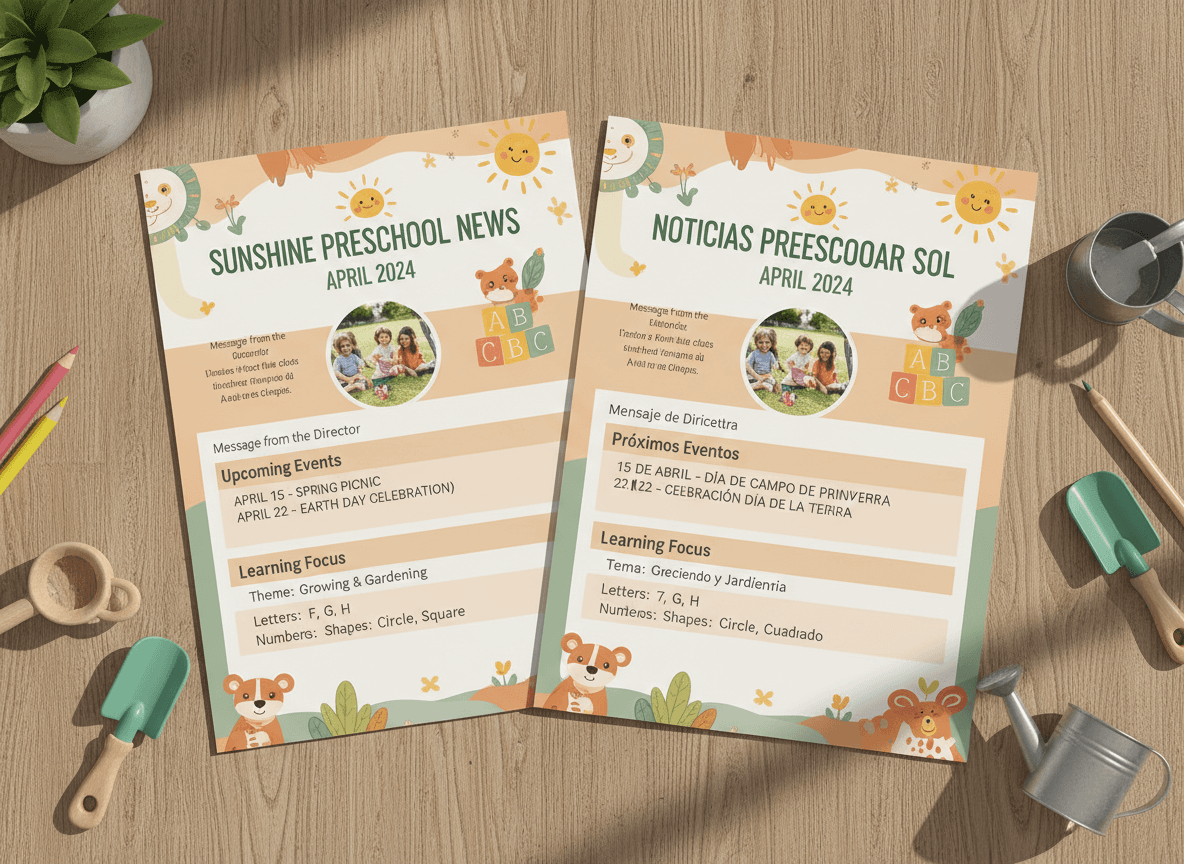
The back-to-school letter is the first serious piece of communication a preschool family receives from their child's actual teacher, and it sets the tone for the entire year. A letter that is organized, honest, specific, and warm tells families they are in good hands before the first day arrives. A letter that is rushed, incomplete, or boilerplate tells them something different.
Lead With the Logistics Families Need First
The first thing families read in a back-to-school letter is the section that answers their most urgent practical questions. Put this first, not buried after a welcome paragraph. Cover:
- The first day date and any staggered start schedule in the first week
- Drop-off time and procedure, step by step
- Pickup time and who is authorized to pick up
- Where to park, which entrance to use
- What to bring on the first day and what to leave home
These seem obvious to the teacher who knows the program. They are not obvious to a parent who has never been to this building before.
What the First Week Will Look Like
First-week expectations help families prepare their child and manage their own expectations. Tell families:
- Whether the schedule is different in the first week (staggered arrival, shorter days)
- What children will be doing (exploration, meeting each other, learning routines)
- What the emotional tone of the first week typically looks like, including normal separation challenges
- What a successful first week looks like, so families know what to hope for versus what to worry about
The Teacher Introduction
After the logistics, include a brief personal introduction. Not a professional biography. A paragraph or two that tells families who you are, what drew you to this age, and what you care about in your classroom. This is where the back-to-school letter stops being a document and starts being the beginning of a relationship.
Example: "I have been teaching preschool for eight years, and I still find it remarkable how much changes between September and June at this age. I care most about children feeling safe enough to try hard things and fail without it being a disaster. Most of what we do this year is in service of that."
How You Will Communicate Going Forward
Tell families what to expect: how often you send newsletters, which platform you use, how to reach you with a question, and what your response time typically is. Setting these expectations prevents the family who texts the teacher at 6 a.m. with a question about snack policy because they did not know there was another channel.
Daystage makes it easy to send the back-to-school letter in the same format families will see all year, so the first communication from your classroom already establishes the communication style they can expect going forward.
Get one newsletter idea every week.
Free. For teachers. No spam.
Frequently asked questions
What should a preschool back-to-school letter include?
Cover the first day schedule and logistics, drop-off procedure, what to bring, what to expect in the first week, how you will communicate throughout the year, and a personal introduction from the teacher. The letter should answer every question a first-time preschool family would have before they have to ask it.
How long should a preschool back-to-school letter be?
Long enough to cover everything, short enough to be read. For most programs, that means two to three sections covering logistics, first-week expectations, and the teacher introduction, totaling about four to six paragraphs. If you have more to cover, break it into two separate documents sent a week apart rather than one document nobody finishes.
When should preschool teachers send the back-to-school letter?
Send it seven to ten days before school starts. Close enough that families read it at a time when it feels relevant, far enough that they have time to prepare, ask questions, and handle any logistics it requires. Sending it the same week school starts is too late for families who need to buy supplies or arrange drop-off coverage.
Should the back-to-school letter be from the teacher or the program?
From the teacher. Families forming a new relationship with a classroom want to hear from the person who will be with their child every day. A letter from 'the administration' or 'the program' feels impersonal. A letter that starts with the teacher's name and voice establishes the relationship from day one.
Does Daystage support sending back-to-school letters to preschool families?
Yes. Daystage is well suited for the back-to-school letter, which benefits from a formatted email with clear sections that families can read on their phones and reference back to during the first week.

Adi Ackerman
Author
Adi Ackerman is a former classroom teacher and curriculum writer with 8 years in K-8 schools. She writes about school communication, parent engagement, and what actually works in real classrooms.
More for Pre-K
Ready to send your first newsletter?
3 newsletters free. No credit card. First one ready in under 5 minutes.
Get started free