

Pre-K Teacher Newsletter Guide: What to Send, When, and How Often
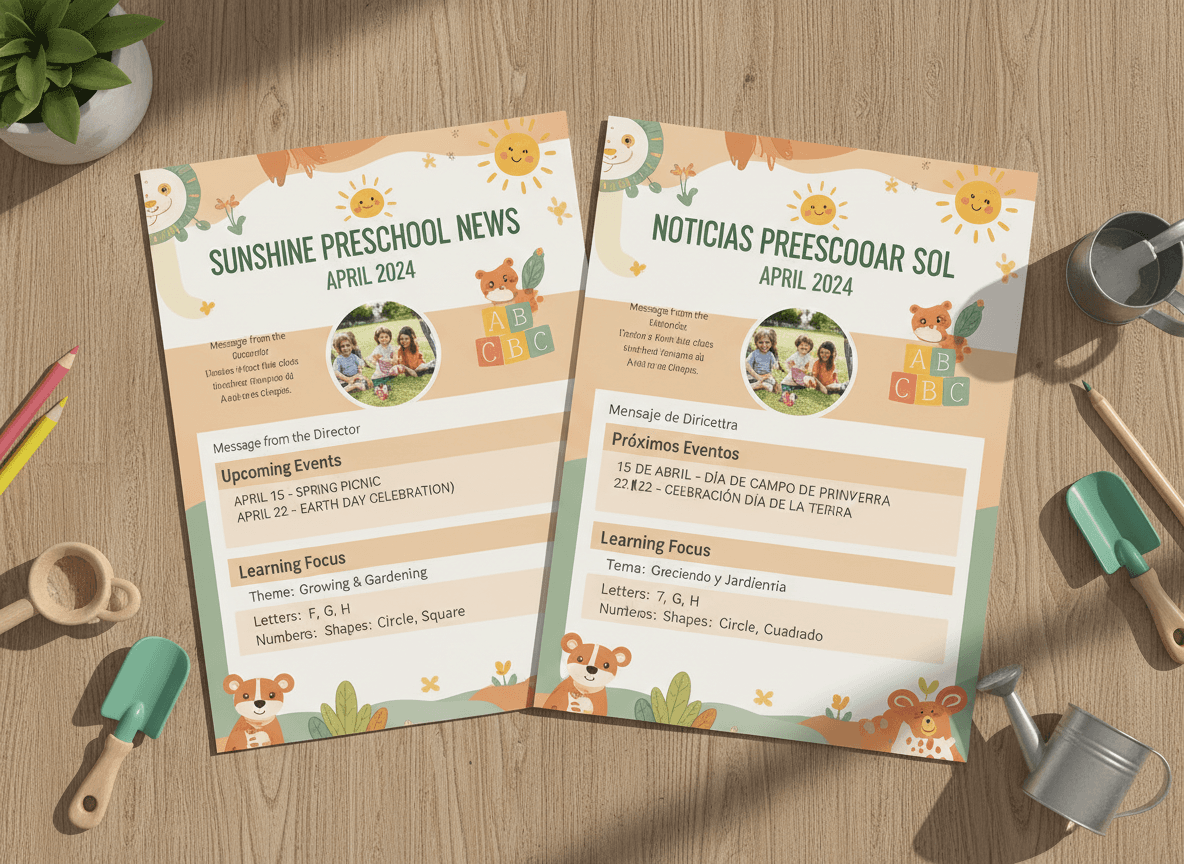
Pre-K teachers are already doing the work that makes newsletters possible: they are observing children, planning curriculum, managing materials, and building relationships. The newsletter is not a separate task. It is a brief summary of what is already happening in the room, written for the people who are not in it.
The challenge is that most pre-K teachers were not trained to write newsletters. They were trained to teach young children. This guide covers the basics of building a newsletter routine that does not eat up planning time and actually gets read.
Why Newsletters Matter More in Pre-K Than in Later Grades
Four-year-olds are not reliable reporters. Ask a preschooler what they did at school and you will typically get "played" or "I don't know" or a story about something that happened three weeks ago. This means that for preschool families, the newsletter is often the only consistent window into the classroom.
Parents of pre-K children are also typically newer to school systems than parents of older kids. They do not yet know the rhythms of the school year, the terminology teachers use, or how to interpret what they see at pickup. Regular newsletters help them build that context over time.
What to Include Every Week
A weekly pre-K newsletter does not need to be long to be useful. The most effective format includes four components:
- What we did: A brief description of one or two things children actually worked on or explored during the week. Specific is better than general. "We sorted buttons by color and practiced counting past ten" is more useful than "We worked on math concepts."
- What is coming up: Dates, schedule changes, events requiring parent action or preparation.
- Something to try at home: One concrete thing parents can do or ask to extend what children did in class.
- Logistics reminders: Anything about supplies, weather gear, permission slips, or other items families need to handle.
That structure gives families something genuinely informative, something actionable, and everything they need to stay organized. Anything outside those four categories can probably wait or be handled separately.
When to Send and How Often
Weekly is the right frequency for most pre-K classrooms. The goal is for families to look forward to the newsletter and know when to expect it. Consistency matters more than the specific day you choose, but Thursday or Friday after school tends to work well. Families can read it over the weekend when they are not already in school-day mode, and they arrive Monday with a mental picture of what their child will be doing.
If weekly feels impossible to sustain, commit to every other week with a clear promise to families. Missing a promised newsletter trains parents to ignore them. One reliable newsletter every two weeks is better than three in a row followed by silence.
Tone and Voice
Pre-K newsletters should sound like they were written by the actual teacher who knows these specific children, not like a district memo or a product brochure. Write in your own voice. Use first person. Name specific things children said or noticed during the week when it is appropriate.
Avoid terms that are jargon for early childhood professionals but confusing for parents. "Fine motor development" can be replaced with "practicing the hand control they will need for writing." "Socio-dramatic play" can be "playing pretend together." The point is to communicate, not to demonstrate professional vocabulary.
Photos: When to Use Them and What to Consider
Photos in newsletters increase read rates significantly. A newsletter with one or two images of children working is more likely to be opened and read fully than one without. That said, pre-K programs need to manage photo consent carefully. Confirm which families have given consent for photos to be shared digitally before including any child images, and default to activity photos without identifiable children if consent tracking is incomplete.
Building the Habit
The newsletters that get written consistently are the ones that have a system behind them. Keep a running notes document or voice memo during the week where you capture two or three things that happened that would be worth sharing. By Thursday, you already have your content. You just need ten minutes to assemble it.
Daystage is built to support exactly this kind of routine: teachers fill in the specific sections, add a photo, and send directly to families without reformatting, converting files, or managing a distribution list manually. The structure is already there. The teacher brings the content.
Get one newsletter idea every week.
Free. For teachers. No spam.
Frequently asked questions
How often should a pre-K teacher send a newsletter?
Weekly is the standard that works best for most pre-K classrooms. Weekly updates keep families connected to the daily rhythm of the room, which matters a lot when children are young and cannot reliably report back on their own day. Monthly newsletters are not frequent enough to feel connected, and daily updates create noise.
What should a pre-K newsletter always include?
Every newsletter should cover what children did or explored that week, any upcoming events or dates families need to know, one or two specific things parents can ask or do at home to extend learning, and any reminders about supplies or logistics. That four-part structure keeps the newsletter useful and prevents it from becoming a list of generic cheerfulness.
How long should a pre-K teacher newsletter be?
Short enough to read in under three minutes. For most pre-K newsletters, that means one or two paragraphs of classroom content, a short list of reminders, and nothing else. When newsletters run long, families stop reading them fully, and the important information gets missed.
What mistakes do pre-K teachers make with newsletters?
The most common mistake is writing newsletters that are vague enough to have come from any classroom. References to generic themes and general happiness do not help families understand what their specific child is experiencing. The second mistake is irregular timing. Families stop looking for newsletters that arrive unpredictably.
Is there a tool that makes pre-K newsletter creation faster?
Daystage is designed specifically for early childhood teachers and includes templates that cover the standard sections of a pre-K newsletter so teachers can fill in the specifics rather than starting from a blank document each week.

Adi Ackerman
Author
Adi Ackerman is a former classroom teacher and curriculum writer with 8 years in K-8 schools. She writes about school communication, parent engagement, and what actually works in real classrooms.
More for Pre-K
Ready to send your first newsletter?
3 newsletters free. No credit card. First one ready in under 5 minutes.
Get started free