
Florida Pre-K Newsletter: Local Resources and Guide for Families
Florida's Voluntary Pre-K program is one of the largest in the country by enrollment, serving hundreds of thousands of 4-year-olds each year. VPK teachers operate across a remarkably diverse landscape, from Miami's multilingual urban neighborhoods to rural North Florida communities, and family newsletters are one of the most consistent tools for bridging classroom learning to home.
Florida VPK Program Overview
Florida's VPK program is funded through the state's Early Learning Coalitions and delivered by both school-based and community providers. All VPK providers must follow Florida's Early Learning and Developmental Standards and demonstrate quality practices. Family engagement is part of the broader accountability picture, and providers who maintain strong communication with families tend to have higher reenrollment, lower absenteeism, and better family satisfaction scores.
Florida's Early Learning Standards
Florida's standards cover language and literacy, mathematical thinking, scientific inquiry, social studies, arts, physical development, and social-emotional development. When you write your newsletter, pick one or two areas you focused on this week and describe them in plain language. “This week we built with shapes and talked about which shapes make the strongest structures” tells a family about both math and science without jargon. That clarity is what makes newsletters useful rather than decorative.
Bilingual Communication in Florida Pre-K
In Miami-Dade, Broward, and Palm Beach counties, a significant portion of Pre-K families speak Spanish as their primary language. In Miami specifically, Spanish-dominant families are the majority in many programs. A newsletter that arrives only in English creates an immediate gap between the program and those families. Bilingual newsletters, or newsletters with translated key sections, are the standard for reaching Florida's full Pre-K family population. Haitian Creole translation is also important for programs in communities with significant Haitian immigrant populations.
A Sample Newsletter Excerpt to Copy
“This week we learned about Florida's animals. Ask your child to tell you about the manatee and the gopher tortoise. We drew them, measured them with paper strips, and talked about what makes them special. At home, next time you see a lizard or a bird outside, ask your child: ‘What do you think that animal eats?’ That single question is doing science thinking work.”
Florida's Natural Environment as a Teaching Resource
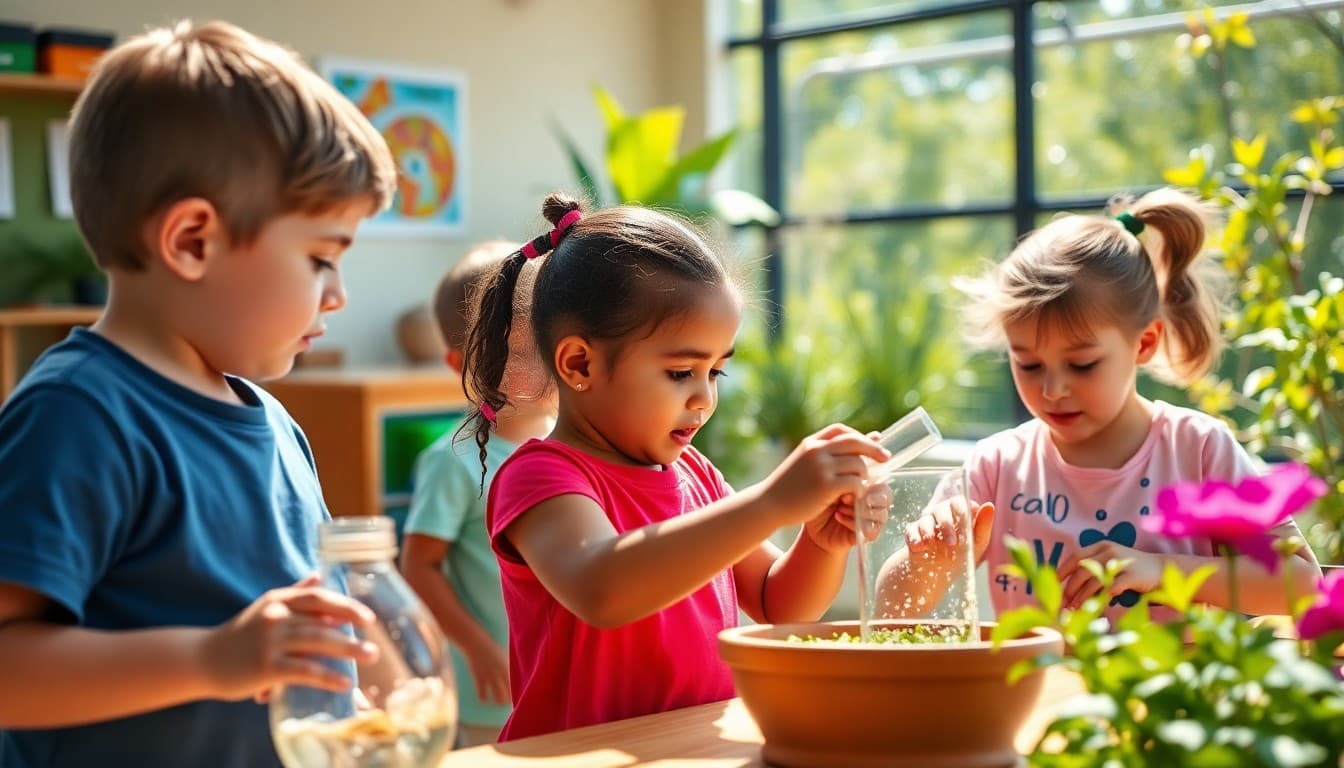
Florida's year-round outdoor weather and rich natural environment make nature-based learning a practical and powerful tool for Pre-K programs. Connecting classroom units to Florida wildlife, the water cycle, weather patterns, and local plant life gives learning a local context that generic curricula cannot replicate. Your newsletter can make these connections visible: “We observed the rain this week and talked about where it goes.” Families in Florida see what you saw and the learning becomes shared.
Florida Local Resources for Pre-K Families
Florida has an outstanding network of children's museums and science centers with family-friendly programming. The Miami Children's Museum, Orlando Science Center, and Museum of Science and History in Jacksonville all offer early childhood programs. Florida's public library systems, particularly in Broward, Orange, and Hillsborough counties, run strong early literacy programs with free family events. The Florida Department of Children and Families also publishes family support resources worth sharing at the start of the year.
VPK Accountability and Communication Documentation
Florida's Early Learning Coalitions conduct monitoring visits and gather quality data from VPK providers. Demonstrated family engagement, including newsletter communication, supports a program's standing during these reviews. Using a platform that tracks what was sent and when gives providers ready evidence of their family communication practices without any extra documentation burden.
Building Florida VPK Family Connections With Daystage
Daystage makes it easy for Florida VPK teachers to produce and send professional newsletters directly to family phones in minutes. For Florida's diverse, multilingual Pre-K communities, the platform's clean visual format and direct delivery model reach families who might otherwise be missed. Teachers across Florida's 67 counties find that consistent digital newsletters build the family relationships that make the rest of the school year run more smoothly.
Get one newsletter idea every week.
Free. For teachers. No spam.
Frequently asked questions
What is Florida's Voluntary Pre-K program?
Florida's Voluntary Pre-K (VPK) program provides free Pre-K education to all 4-year-olds in Florida whose parents choose to enroll them. It is administered through the state's Early Learning Coalitions and can be delivered in school-based or community childcare settings. VPK requires program providers to meet quality standards and to follow Florida's Early Learning and Developmental Standards for 4-year-olds.
What should Florida VPK newsletters include?
Florida VPK newsletters should connect classroom activities to Florida's Early Learning and Developmental Standards, share home extension activities, include upcoming program events, and reference community resources. With Florida's large Spanish-speaking and Haitian Creole-speaking Pre-K populations, bilingual newsletter options are important for programs in Miami-Dade, Broward, Orange, and Hillsborough counties.
How diverse are Florida's Pre-K families?
Florida is one of the most diverse states in the country. Miami-Dade County alone has a majority Spanish-speaking population, and South Florida also has significant Haitian Creole, Portuguese, and other language communities. Central Florida has large Puerto Rican and Central American communities. Tampa Bay has a growing diverse population. Pre-K newsletters that only go out in English miss a substantial portion of the families who could benefit from them.
What Florida-specific resources can Pre-K newsletters reference?
Florida families have access to strong children's museum networks including the Children's Museum of the Treasure Coast, the Miami Children's Museum, the Orlando Science Center, and the Florida Museum of Natural History in Gainesville. Public library systems across Florida offer early literacy programs. The Florida Department of Education publishes family guides for VPK, and Early Learning Coalitions in each county often have local family resource directories.
What platform do Florida VPK teachers use to send newsletters?
Daystage is well-suited for Florida VPK programs. Teachers can build polished, photo-rich newsletters quickly and send them directly to family phones. For bilingual Florida communities, Daystage supports clear visual communication that reaches families regardless of language background. VPK programs that document family engagement for Early Learning Coalition reporting benefit from the platform's engagement tracking.

Adi Ackerman
Author
Adi Ackerman is a former classroom teacher and curriculum writer with 8 years in K-8 schools. She writes about school communication, parent engagement, and what actually works in real classrooms.
More for Pre-K
Ready to send your first newsletter?
3 newsletters free. No credit card. First one ready in under 5 minutes.
Get started free