
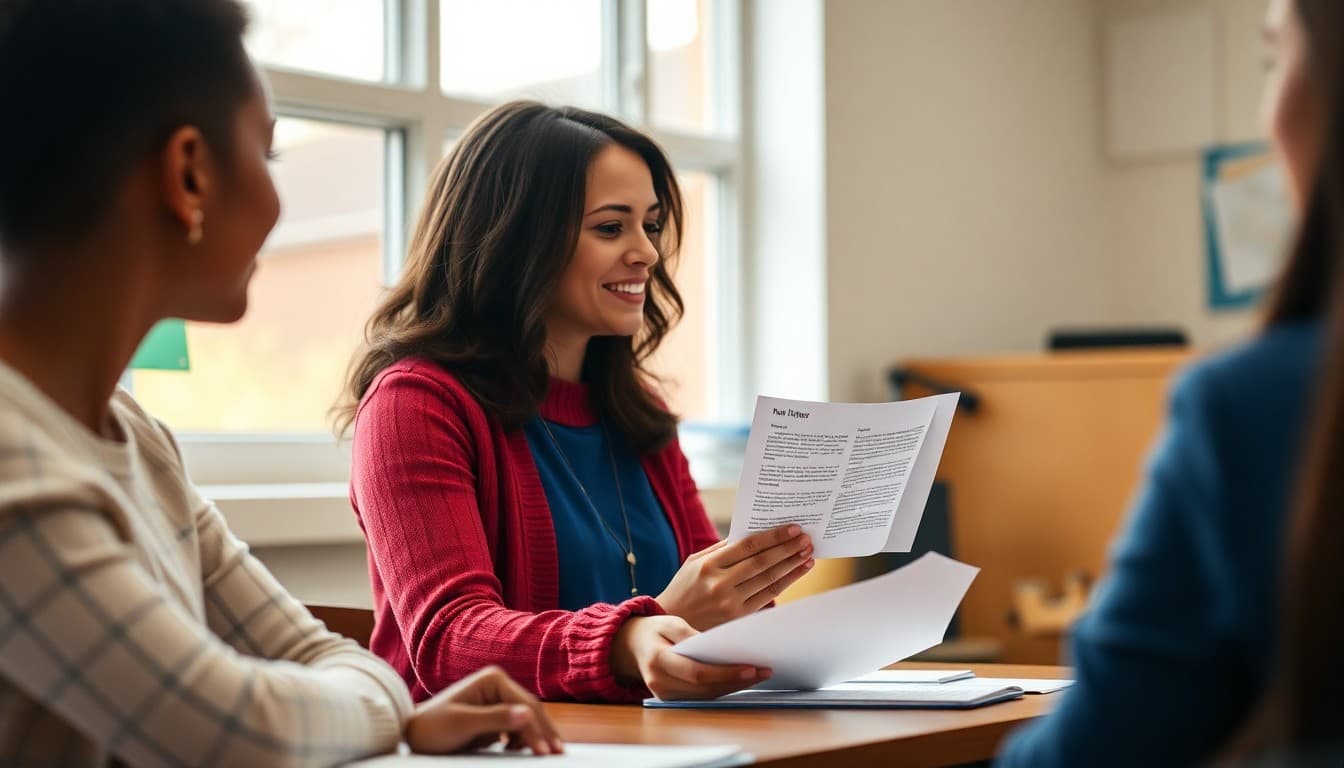
Parent Conference Follow-Up Newsletter: Next Steps Together
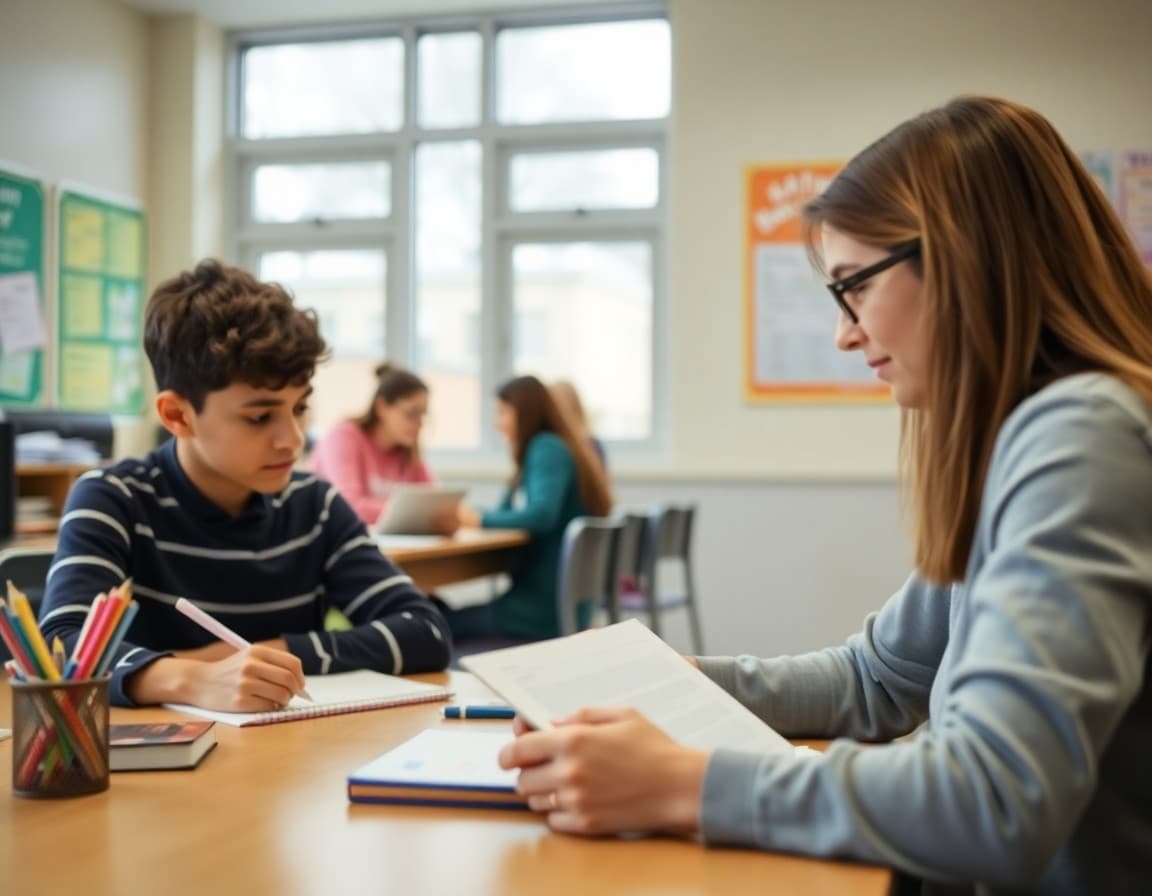
Parent-teacher conferences are one of the highest-engagement touchpoints in the school year. Families prepare, clear schedules, and come in genuinely wanting to connect with their child's teacher. What happens after most conferences is a complete waste of that momentum: no follow-up, no shared record of what was discussed, and by the next week most families have lost the specific commitments made in the room. A conference follow-up newsletter captures that momentum and converts it into something lasting.
Why Conference Follow-Up Matters More Than the Conference Itself
The conference conversation happens in real-time, but the action happens afterward. A parent who leaves a conference with the intention to work on reading fluency at home has a 60 to 70 percent chance of actually doing it if they receive a follow-up within 48 hours reminding them of the specific commitment. That same parent without a follow-up has about a 20 percent chance of maintaining the behavior past the first week. These are rough estimates, but the direction is consistent with behavioral research on intention-to-action gaps: reminders at short intervals after a commitment is made are the most effective way to close that gap.
The follow-up newsletter is that reminder. It also serves families who attended conferences but could not retain everything discussed, and it serves family members who were not present but want to know what was covered.
The Structure of a Strong Follow-Up Newsletter
A conference follow-up newsletter has three distinct sections. First, a brief thank-you to everyone who attended, which validates the effort families made and closes the conference cycle positively. Second, a summary of common themes the teacher observed across conferences, which gives every family a sense of the collective context without naming individuals. Third, and most important, a clear action section: what families should do, what the teacher will do, and how the two connect.
The action section is where most follow-up newsletters either succeed or fail. Generic advice like "keep reading every night" does not move behavior. Specific advice connected to what was actually discussed does: "Based on our conversations this week, many students would benefit from practicing reading aloud for 10 minutes daily, not just silently. Reading aloud builds fluency in a way that silent reading does not, and you can hear exactly where your child is confident and where they stumble."
A Template Follow-Up Newsletter You Can Send Tomorrow
Here is a ready-to-use follow-up template:
"Conference Week Follow-Up
Thank you to everyone who came in this week. It was genuinely good to talk through how your students are doing and what comes next. If you missed conference week for any reason, please reach out and we will find a time.
What I heard across our conversations: Most students are making strong progress in reading comprehension, and many are building writing skills that still need more practice. About a third of the class would benefit from additional support with fractions before we move into the next unit.
What I am doing in class as a result: Starting Monday, we are adding a 10-minute daily writing warm-up to build volume and fluency. I am also pulling small groups during work time to shore up fraction understanding before the unit test.
What you can do at home: If your child's writing was discussed, ask them each evening to tell you one thing they observed today in two sentences. Keep it casual. The practice of turning observations into sentences is the building block of academic writing. If fractions came up in your conference, 10 minutes on Khan Academy at the grade-level fraction module three times this week would help significantly.
As always, my door and email are open."
Handling the Families Who Did Not Attend
Not every family makes conference week. Some had genuine scheduling conflicts. Some forgot. Some felt anxious about the meeting and postponed. Your follow-up newsletter should address all three groups without judgment. The scheduling conflict families need a clear rescheduling path. The forgetting families need a direct invitation. The anxious families need to know that the conference is a conversation, not an evaluation of their parenting.
Include a clear scheduling mechanism in the follow-up: "If we did not connect this week, I would still like to. Click here to pick a time that works for you, or email me and we will figure something out." That active invitation recovers a percentage of missed conferences that would otherwise stay missed for the rest of the year.
Using the Follow-Up to Strengthen Specific Relationships
Beyond the group newsletter, consider sending a brief individual note to any family where the conference covered something significant: a concern, a referral recommendation, a change in academic expectations, or a particularly positive development worth naming. The individual note does not need to be long. Two or three sentences that reference the specific conversation signals that you remember what you talked about and that you took it seriously. For families who came in with a difficult concern or a question that required follow-up from you, a personal note is expected and its absence will be noticed.
The Three-Week Check-In After the Conference
Conference follow-up should not end with one newsletter. A brief check-in newsletter three weeks after conferences, noting the specific commitments made and asking families how they are going, reinforces the cycle and signals that the conference was a real accountability moment rather than a one-time conversation. "We set some goals together in conferences three weeks ago. How is it going at home? I'll share what I'm seeing in class." That check-in converts a conference from a single event into an ongoing conversation, which is what makes it actually affect student outcomes.
Get one newsletter idea every week.
Free. For teachers. No spam.
Frequently asked questions
When should a teacher send a conference follow-up newsletter?
Within 48 hours of the last conference, while the conversations are still fresh for both families and the teacher. Waiting a week significantly reduces the impact because families move on and the specific commitments made in the conference become hazy. A follow-up sent the day after the last conference session is the most effective timing. If you cannot do that, the day after is better than three days after, and three days after is better than not sending one at all.
What should a conference follow-up newsletter include?
Three core elements: a brief thank-you to families who attended, a recap of common themes the teacher observed across conferences (without identifying individual students), and clear next steps for families. The next steps section is the most valuable part because it converts a good conversation into an action, which is what actually changes outcomes. Include at least one specific thing families can do at home based on what came up in conferences, and one commitment from you as the teacher about what you will be doing in class as a result.
How do you handle families who did not attend a conference in the follow-up newsletter?
Address them directly: 'If you missed conference week, please reach out to schedule a time. I want to connect with every family before the end of the semester.' Include your contact information and a simple scheduling option. Families who received a reminder that you actively want to meet them respond better than families who feel they fell through the cracks. The follow-up newsletter is also useful for families who did attend but want their partner or another caregiver who was not present to have the information.
Is it appropriate to mention specific academic concerns in a group follow-up newsletter?
Only in aggregate, never identifying individual students. You can say 'Many students are still building fluency with multi-digit multiplication, so expect to see extra practice coming home this week' without naming students. What you cannot do is say anything that allows a parent to identify another child. Common themes from conferences are fair game. Individual details are not.
Can Daystage handle a post-conference follow-up newsletter effectively?
Yes, and it is one of the best use cases for the platform. You can write the follow-up newsletter while your conference notes are fresh, schedule it to send the following morning, and track which families read it. For families who do not open the follow-up, a quick personal email or text with the link makes sure they have the information. The whole workflow from writing to sending to tracking takes about 20 minutes with Daystage.

Adi Ackerman
Author
Adi Ackerman is a former classroom teacher and curriculum writer with 8 years in K-8 schools. She writes about school communication, parent engagement, and what actually works in real classrooms.
More for Parent Engagement
Ready to send your first newsletter?
3 newsletters free. No credit card. First one ready in under 5 minutes.
Get started free