

How to Keep After-School Program Families Engaged Through Newsletters All Year
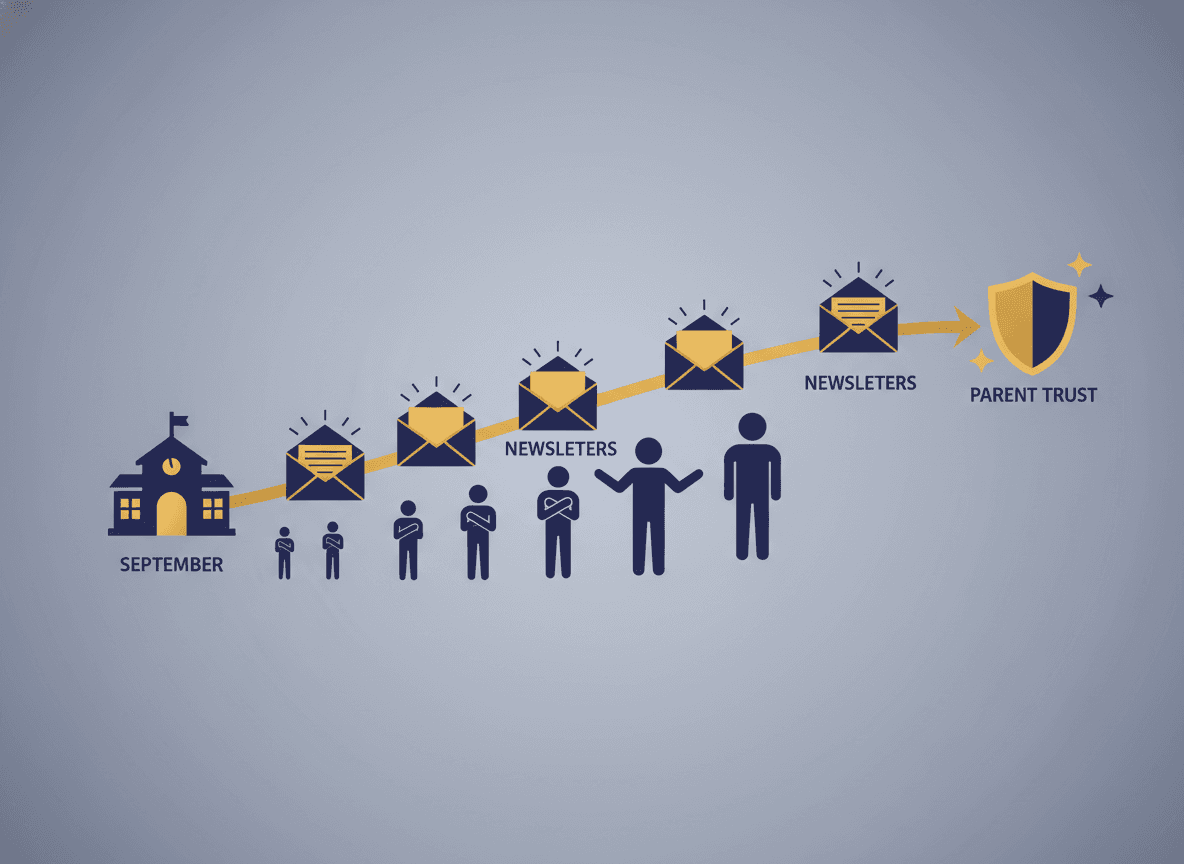
After-school program newsletters face a specific engagement challenge that classroom newsletters do not have in quite the same way: the program's value is less visible to families because it happens outside the main academic day, and its connection to the child's overall development is less obvious than reading or math progress. Newsletters that simply report what activity happened this week, without showing why it matters, lose families quickly.
Maintaining family engagement across a full program year requires a deliberate strategy, not just consistent sending.
Plan content themes across the year, not just each week
A newsletter content calendar that varies its focus by month prevents the mid-year staleness that kills after-school engagement. September newsletters introduce the program, staff, and approach. October and November newsletters focus on the activities underway and early student engagement. December and January newsletters can review progress and preview second-semester themes. Spring newsletters can highlight growth and impact, then shift toward looking ahead to the following year.
This is not a rigid formula. It is a loose structure that ensures the newsletter has something different to say at different moments in the year rather than cycling through the same weekly summary indefinitely.
Show growth, not just activity
The most engaging content in an after-school newsletter is not what happened this week. It is what has changed over time. A student who started the robotics program in September not knowing how to code and is now building a basic program by March is a story worth telling. A student who was shy at drama club in the fall and performed a monologue in the spring show is a story that justifies every afternoon families gave to the program.
Growth stories do not require disclosing individual student names or private information. "Several students who struggled with the first coding assignment in October are now debugging their peers' programs" is a class-level growth story that every family in the program can connect their child to.
Include student voice year-round
Brief quotes from students about their experience in the program are consistently the highest-engagement content in after-school newsletters. Parents read them. They share them. They bring them up at pickup. A rotating student quote section, where two or three students answer a simple question about what they are working on or what they enjoy, creates a direct line between the program experience and what families read.
Collecting these quotes requires about five minutes at the end of a session. The impact on family engagement is disproportionate to the effort.
Use the end-of-year newsletter as a retention tool
The final newsletter of the program year is a missed opportunity in many programs. Most coordinators use it to announce the last day and thank families for attending. A better approach: review the year's highlights specifically, celebrate what students accomplished, and open the conversation about the following year's program in the same communication.
Families who receive a warm, specific end-of-year newsletter that connects the year's activities to their child's development, and that mentions next year's opportunity in the same breath, re-enroll at higher rates than families who receive a generic closing message and a separate re-enrollment form two weeks later.
Get one newsletter idea every week.
Free. For teachers. No spam.
Frequently asked questions
Why do after-school program families disengage from newsletters over the course of the year?
After-school program newsletters often become repetitive by mid-year if they follow the same structure and cover the same topics without variation. Families who received the same general activity summary for twelve consecutive weeks stop reading because they can predict the content before opening.
What newsletter content keeps after-school program families engaged through winter and spring?
Progress and growth narrative maintains engagement in the second half of the year. A newsletter that shows how a student's skill in a specific activity has developed, with specific examples from the fall compared to now, gives families a reason to stay invested that logistics updates alone cannot provide.
Should after-school programs involve students in creating newsletter content?
Yes. Student-generated content, brief quotes, reflections, or artwork included in the newsletter, creates a direct connection between the child's experience and what the parent reads. Parents who see their child's own words or work in the newsletter feel a qualitatively different connection to the program than those who receive only staff-written summaries.
How should after-school programs communicate near the end of the school year to encourage re-enrollment?
The spring newsletter is a natural moment to reflect on the year's highlights, thank families for their participation, and open enrollment communication for the following year. Families who receive a warm, specific end-of-year newsletter that also mentions next year's opportunities are significantly more likely to re-enroll than those who receive only a functional re-enrollment form.
How does Daystage support year-round newsletter communication for after-school programs?
Daystage makes it easy to maintain a consistent newsletter rhythm that does not require rebuilding the workflow each season. Teachers and coordinators using Daystage can adjust content themes across the year while keeping the send structure reliable, which is what sustains family engagement from September through June.

Adi Ackerman
Author
Adi Ackerman is a former classroom teacher and curriculum writer with 8 years in K-8 schools. She writes about school communication, parent engagement, and what actually works in real classrooms.
More for Parent Engagement
How to Increase Parent Newsletter Open Rates: 8 Strategies That Work
Parent Engagement · 7 min read
Using Data to Improve Your Parent Newsletter: What the Numbers Actually Tell You
Parent Engagement · 5 min read
School Newsletter Design Tips: How to Format Your Newsletter for Maximum Readability
Parent Engagement · 6 min read
Ready to send your first newsletter?
3 newsletters free. No credit card. First one ready in under 5 minutes.
Get started free