
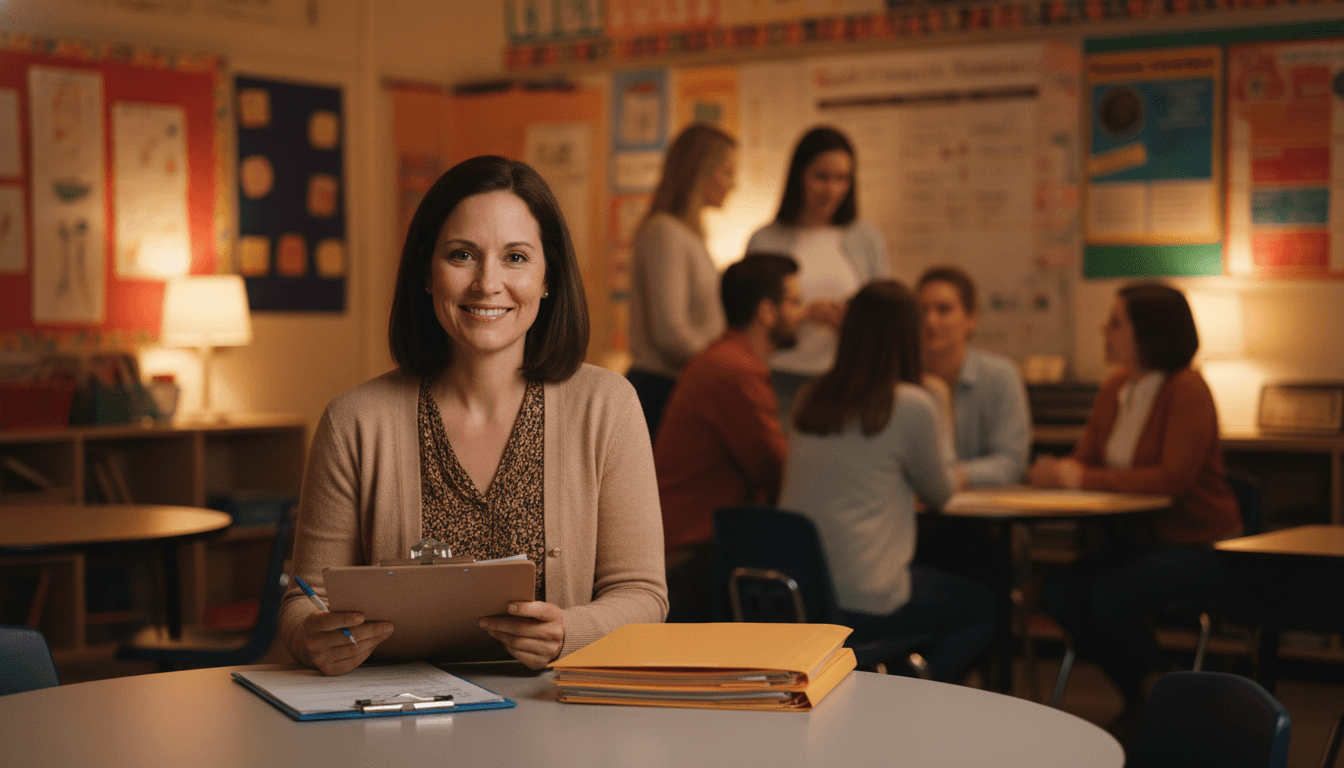
New Teacher Student-Led Conferences: How to Prepare Families for a Different Kind of Conference
Student-led conferences are one of the most powerful feedback tools available, but they require significantly more advance communication than traditional parent-teacher conferences. Families who arrive without preparation for what they are about to experience can undermine the entire format within the first five minutes. Your pre-conference newsletter is what makes the difference.
Explain the Format Before Families Wonder
At least two weeks before student-led conferences, send a detailed explanation of what families can expect. The student will lead the conversation. The teacher will listen and occasionally facilitate. The student will share their portfolio, reflect on their learning, set goals for the next period, and take questions from their family.
Families who understand this format before they arrive show up ready to engage with their child as the presenter. Families who arrive expecting a traditional teacher-centered conference feel disoriented when they realize their child is the one doing the talking. Avoid that disorientation with one clear newsletter.
How Students Are Prepared
Families will feel more confident about the format if they know their child has been prepared for it. Include a brief description of what students have been doing in class to get ready: assembling a portfolio, practicing their presentation, learning how to reflect on their own work, and anticipating family questions.
Knowing their child has rehearsed also shifts the parent's posture from anxious observer to proud audience member. The conference becomes a performance of preparation rather than a spontaneous test.
Questions Families Can Ask Their Child
Include a list of questions families can ask during the conference. This is one of the highest-value things you can put in your pre-conference newsletter. Good examples: What piece of work are you most proud of and why? What is something you found hard this term? What is your goal for next term? What is something you want me to understand about how you learn?
Families who arrive with these questions participate actively and help their child go deeper than they would in a presentation alone. The questions also model the kind of conversational investment that makes student-led conferences genuinely meaningful.
Planning for Private Parent Access
Some families will want to speak with you privately about concerns they do not want to raise in front of their child. Plan a brief window after the conference for this and communicate it clearly in advance. "I will have five to ten minutes available after each conference for private family conversations. If you would like that time, please let me know when you schedule."
Families who know this option exists come to the student-led conference focused on their child's presentation. Families who feel they will have no access to the teacher are more likely to redirect the conference toward their own agenda.
Post-Conference Follow-Up
After student-led conferences wrap up, send a brief newsletter that acknowledges what happened and affirms what families and students accomplished. Mention any schoolwide themes you noticed in students' self-assessments or goals. This follow-up closes the communication loop and signals that the conference was the beginning of a conversation, not a standalone event.
Get one newsletter idea every week.
Free. For teachers. No spam.
Frequently asked questions
What do families need to know before a student-led conference?
They need to understand what a student-led conference is and how it differs from a traditional parent-teacher conference. Specifically: their child will lead the conversation and present their own work, the teacher will be present but not the primary speaker, and the goal is for families to understand their child's self-assessment of their learning rather than to receive a teacher evaluation.
How should a new teacher prepare families who are nervous about student-led conferences?
Acknowledge the unfamiliarity directly and give families specific questions they can ask their child during the conference. Families who arrive with good questions participate actively rather than sitting awkwardly while their child presents. The questions make the format feel like a conversation rather than a performance.
How do you handle parents who want a separate teacher-only conversation after a student-led conference?
Plan for it. Include in your communication that you have time available after the student-led conference for families who want to speak privately. Most families who want a private conversation just want to know they have access to you. Knowing the option exists makes them less likely to interrupt the student's presentation with adult concerns.
How do students learn to lead their own conference effectively?
Through practice in class before the event. Students who have rehearsed what they will say, organized their portfolio, and practiced answering questions feel prepared rather than on the spot. Your pre-conference newsletter to families can mention this preparation so families arrive expecting a student who is ready, not one who is improvising.
How does Daystage help new teachers communicate about student-led conferences?
Daystage makes it easy to send the full sequence of conference communications: the invitation, the prep guide, reminders as the event approaches, and a follow-up summary afterward. Teachers who communicate the student-led conference format clearly in advance have families who show up as enthusiastic participants rather than confused observers.

Adi Ackerman
Author
Adi Ackerman is a former classroom teacher and curriculum writer with 8 years in K-8 schools. She writes about school communication, parent engagement, and what actually works in real classrooms.
More for New Teacher
Ready to send your first newsletter?
3 newsletters free. No credit card. First one ready in under 5 minutes.
Get started free