
Second Year Teacher Communication: What Changes and What Gets Easier
Year one of teaching is an exercise in surviving with very little experience and very little time. Year two is the chance to actually build the communication systems you spent year one wishing you had. You have data now. You know what confused families, what went unsaid, and what you would do differently if you had known better. Use it.
Start With a Year-One Audit Before School Begins
Before a new class of families walks into your September orientation, read through everything you sent in year one. What was clear? What generated confused follow-up questions? What did you intend to send and never get around to? What fell apart in March when you got busy? This audit is the foundation of your year-two communication plan.
Most second-year teachers find the same pattern in their year-one review: the first six weeks had strong communication, the middle of the year dropped off, and the spring was reactive and thin. Building a year-two schedule that explicitly addresses these weak spots before they happen again is the difference between improvement and repetition.
Template What Repeats
Many newsletters you write every year cover the same ground: the introduction letter, the homework policy, the field trip permission reminder, the report card explanation, the end-of-year communication. In year one, you wrote each of these from scratch while exhausted. In year two, you have a draft.
Build a communication library this summer. Take your best year-one communications, revise what did not work, and save them as templates. Starting from a template that needs updating takes a quarter of the time that starting from a blank page does. That time compounds over the course of a year.
Set the Calendar Before School Starts
Year-one teachers often sent newsletters when they remembered to. Year-two teachers block newsletter time on the calendar before the school year begins. Decide now: which day of the week, at what time, how often. Put it in your calendar like a meeting. Teachers who treat newsletter time as discretionary end up with sporadic communication. Teachers who treat it as non-negotiable maintain consistency even during the busiest stretches.
Plan major communications alongside the school calendar: curriculum night, testing season, conference season, end-of-year transitions. These are predictable every year. Having a draft or at least a topic ready before you need it removes the time pressure that produces your worst work.
Invest in Positive Outreach Early
One thing many first-year teachers discover too late is how much positive outreach matters at the start of the relationship. A brief, genuine positive message to every family in the first four weeks of school changes the entire dynamic for any harder conversations that might come later.
In year two, schedule this deliberately. Block thirty minutes in the second and fourth week of school to write positive notes to half your class each time. By week four, every family has heard something positive from you before they have heard anything negative. That buffer matters enormously when you need to have a difficult conversation in November.
Capture What You Learn This Year
The teacher who reflects on year two is building the foundation for a truly excellent year three. Keep a simple log of what works and what does not in your communication practice. After a newsletter that generated unusually good response, note what was different. After a communication gap that led to family frustration, note what you would do earlier next time. The log does not need to be long; a few sentences per note is enough. It is the most useful thing you can do for future-you.
Get one newsletter idea every week.
Free. For teachers. No spam.
Frequently asked questions
What is the most important communication lesson first-year teachers should apply in year two?
Most teachers discover in year one that reactive communication is exhausting and ineffective. Year two is the time to build proactive systems: a set newsletter schedule, templated formats for predictable communications, and a planned outreach calendar that does not depend on finding extra time to write things from scratch.
How should a second-year teacher revise their newsletters based on first-year experience?
Pull out your year-one newsletters and read them with a critical eye. Where did families push back? What did you over-explain and what did you under-explain? Were there communication gaps that led to misunderstandings? Each of these is a revision target. Second-year newsletters built on first-year data are noticeably better than those written as if it is still September of year one.
How do second-year teachers build better relationships with new families from day one?
They start with a cleaner, more confident introduction because they know what they are doing. They send the year-preview newsletter in the first week rather than scrambling to put it together by October. They have a consistent communication schedule set up before school starts. Confidence in the structure frees attention for the relationships themselves.
What communication habits should a second-year teacher establish that are easy to skip in year one?
Positive individual outreach to every family in the first month of school. A feedback survey in October. A consistent newsletter schedule that is blocked on the calendar rather than squeezed in whenever possible. End-of-unit summaries. And a practice of capturing what worked and what did not so year three is better than year two.
How does Daystage help second-year teachers build on what they learned in year one?
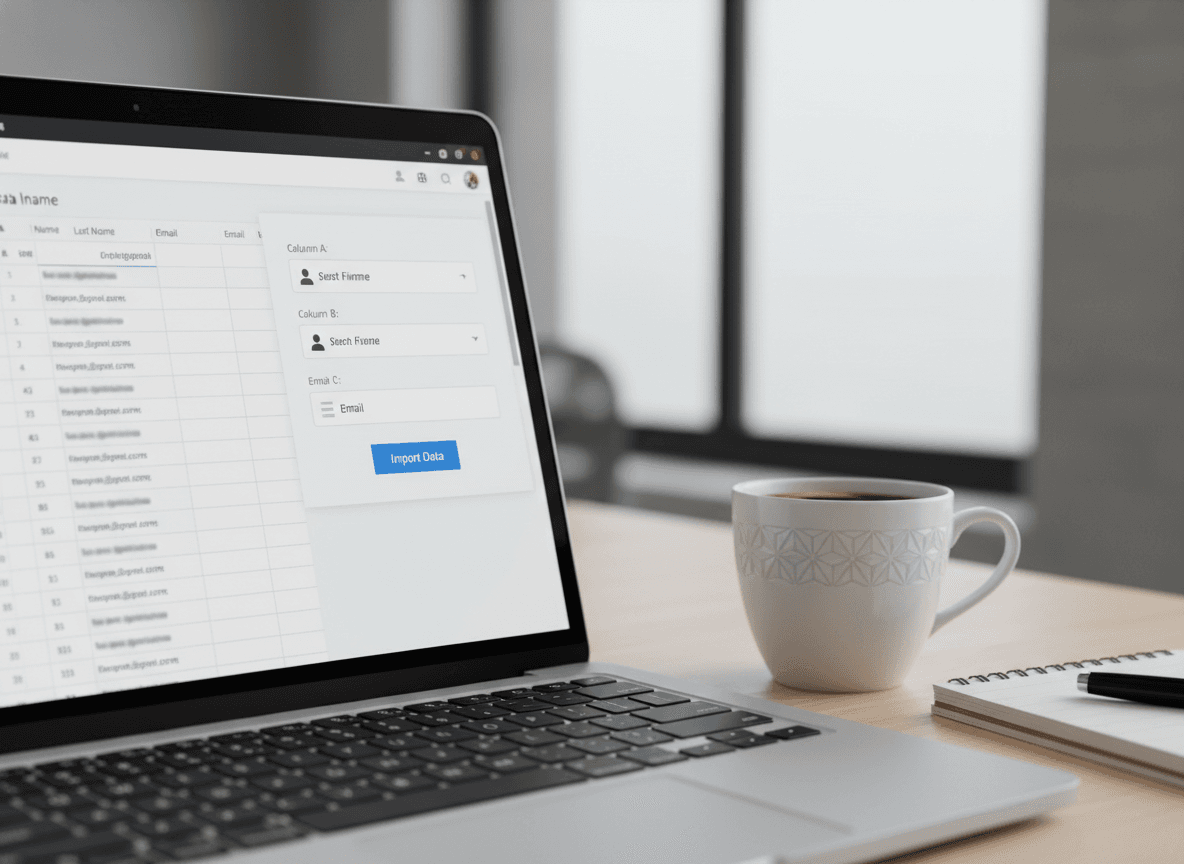
Daystage lets teachers save and reuse newsletter templates from previous years, making second-year communication faster and more consistent. Teachers who spent year one figuring out what to say can spend year two saying it better and faster with tools built for this exact workflow.

Adi Ackerman
Author
Adi Ackerman is a former classroom teacher and curriculum writer with 8 years in K-8 schools. She writes about school communication, parent engagement, and what actually works in real classrooms.
More for New Teacher
Ready to send your first newsletter?
3 newsletters free. No credit card. First one ready in under 5 minutes.
Get started free