
Middle School Sports Newsletter: Keeping Athletic Families Informed
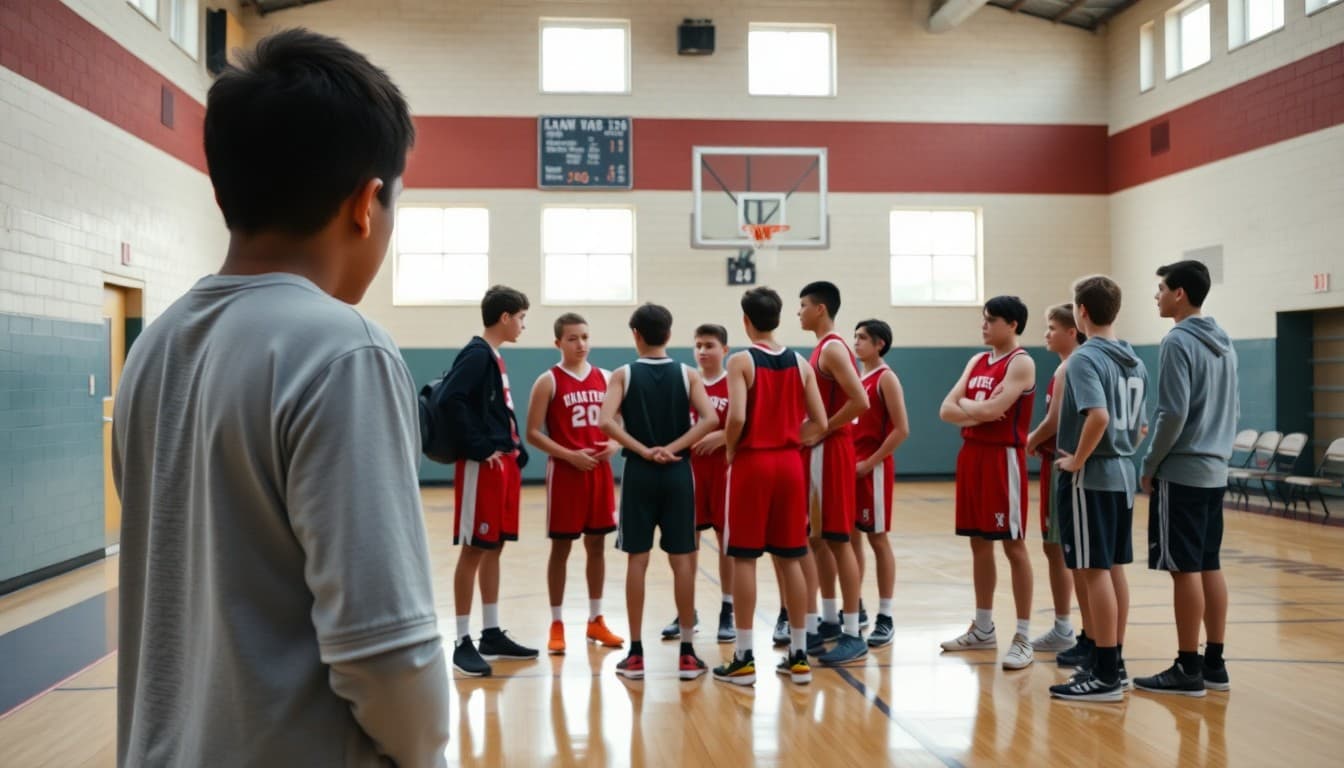
Middle school athletics are where students first experience real team competition, the discipline of practice over a sustained period, and the character tests that come with winning and losing in front of people they know. The families who get the most out of their student's athletic experience are the ones who understand what the coach is trying to teach, what is expected of their athlete, and what their role as a spectator and parent should be. A sports newsletter that covers all of this makes the whole program run more smoothly for everyone.
The Season Schedule
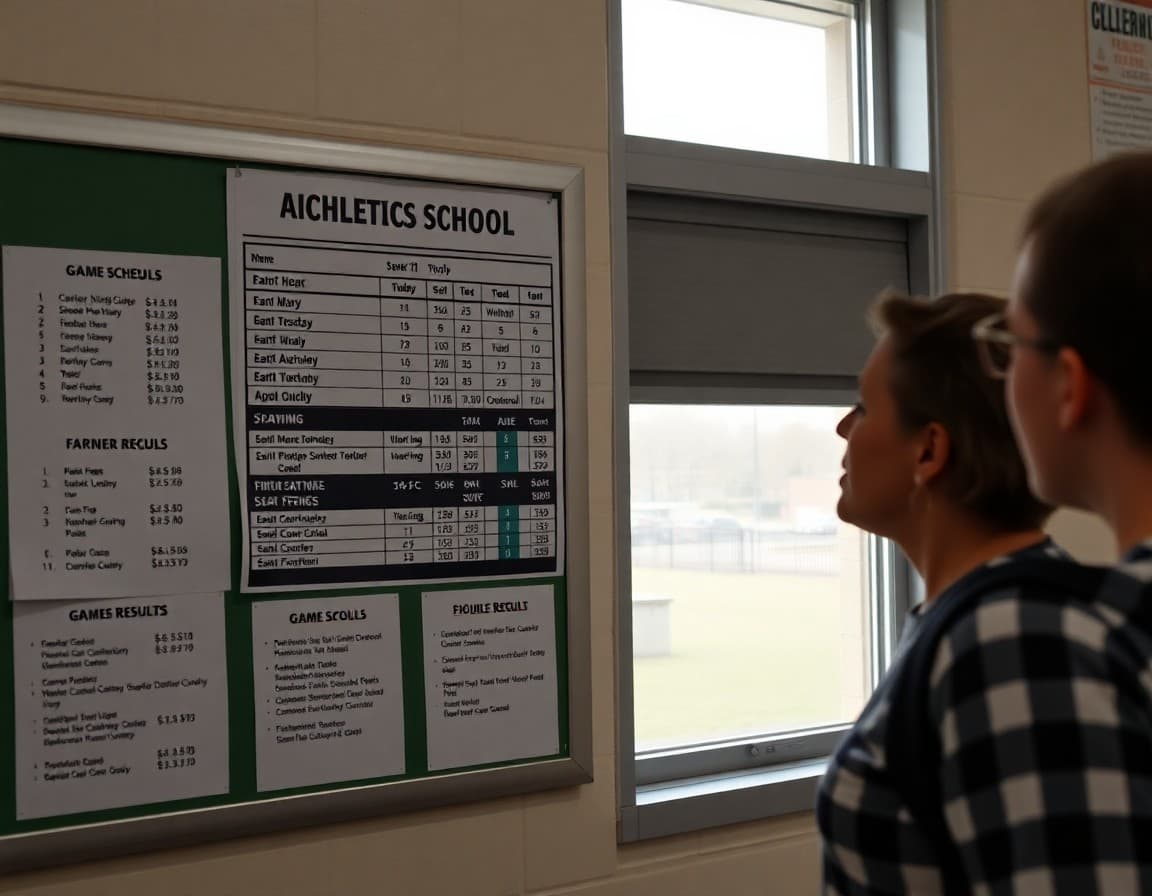
Every sports newsletter should include the complete season schedule with game dates, times, and home versus away designation. For away games, include the school or facility name and address so families who want to attend can find it. Practice schedule and any changes should also be communicated clearly. A family that has the full schedule from the first newsletter can plan around it from the start of the season rather than finding out about scheduling conflicts with one day's notice. Include the contact method for weather cancellations or schedule changes so families know where to look when plans might shift.
What Athletics Teaches Beyond the Sport
The skills developed through middle school athletics go well beyond the physical and technical aspects of any specific sport. Time management: student athletes learn to balance practice schedules, game commitments, and academic responsibilities. Resilience: every athlete loses, has bad performances, gets cut from a lineup, or faces a season-ending injury. How they respond to these setbacks, supported by coaches and families, shapes their emotional resilience for decades. Coachability: the ability to receive correction without becoming defensive or defeated is a skill that transfers to every mentored relationship in a student's future. These are worth naming in the newsletter so families understand that athletics is an academic program, not a break from one.
Academic Eligibility
Athletic eligibility and academic performance are connected at most middle schools. The specific policy should be stated clearly in the newsletter. A student who is not meeting academic expectations may be removed from the team roster or limited to practice-only participation until academic standing is restored. This policy exists because the school's primary mission is academic. Athletics is valuable but it does not come before learning. Families who understand this from the start of the season can help their student manage both responsibilities rather than being surprised when eligibility becomes an issue midseason.
Family Behavior at Games
Spectator behavior at middle school games deserves explicit attention in the newsletter because families sometimes behave at games in ways they would never behave in other school contexts. Negative comments about officiating, criticism of the coach's decisions, taunting opposing students or their families, and pressuring athletes from the sidelines all affect the student's experience in harmful ways. Research on youth athletes consistently shows that the comments they are most affected by come not from coaches but from parents. The post-game car ride home is one of the most studied moments in youth sports psychology. The most supportive message a family can give their athlete after a game, regardless of outcome, is that you loved watching them play.
Get one newsletter idea every week.
Free. For teachers. No spam.
Frequently asked questions
What should a middle school sports newsletter include?
Cover the season schedule with game dates and locations, eligibility requirements including academic standards, practice schedule and attendance expectations, equipment and uniform requirements, transportation logistics for away games, and the code of conduct for athletes, families, and spectators. For existing teams, include recent results and upcoming opponents.
What academic requirements are typically required for middle school athletic eligibility?
Most middle school athletic programs require students to maintain a passing grade in all classes to remain eligible. Some districts set a specific GPA threshold. Eligibility is typically checked weekly or at the midpoint of the grading period. The newsletter should state the specific eligibility policy clearly so families understand that athletic participation and academic performance are connected.
How should families behave at middle school athletic events?
Cheer for your team without taunting opposing players or officials. Never criticize a coach's decisions from the stands. Model the sportsmanship you want your student to show. Remember that officials at middle school games are often learning too. The message students receive from watching their family's behavior at games is often more formative than what coaches say in practice.
What should families know about transportation to away games?
Students typically ride school transportation to away games and return to school. Parents should arrange pickup at school after the game rather than taking students directly from the away venue unless you have confirmed this with the coach. Families who take their student from an away venue without notifying the coach create supervision problems and policy violations.
How does Daystage help coaches and athletic directors communicate with families?
Daystage lets coaches send game schedule updates, weather cancellations, and season newsletters in a formatted, professional way. A Daystage newsletter with the full season schedule as a well-organized table reaches all families at once and can be referenced throughout the season.

Adi Ackerman
Author
Adi Ackerman is a former classroom teacher and curriculum writer with 8 years in K-8 schools. She writes about school communication, parent engagement, and what actually works in real classrooms.
More for Middle School
Ready to send your first newsletter?
3 newsletters free. No credit card. First one ready in under 5 minutes.
Get started free