

Drama Production Newsletter for Middle School Families
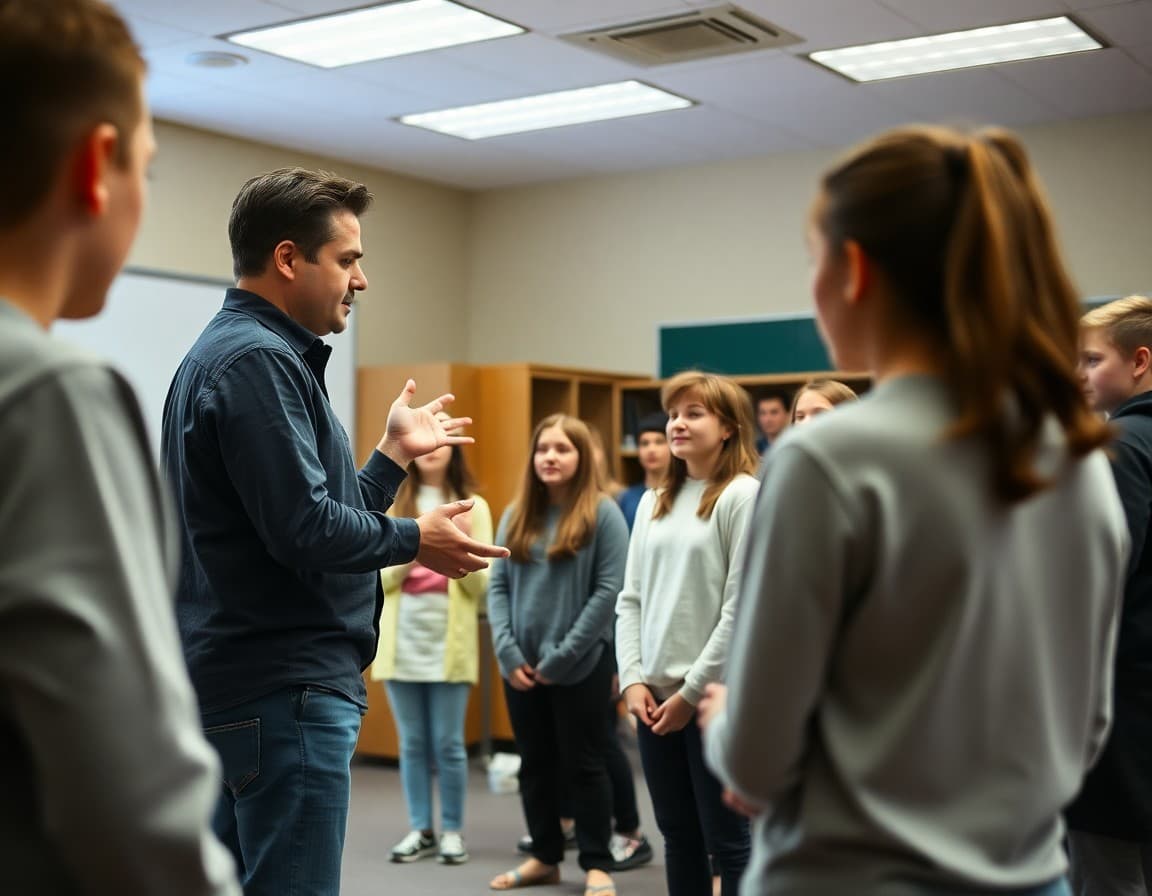
Middle school drama productions are among the most transformative experiences in a school's program. Students who commit to a production from audition through closing night develop confidence, collaboration, discipline, and a sense of community that is hard to replicate in any other school context. The production is the visible product, but the personal development happens in every rehearsal, every note from the director, and every moment of vulnerability on stage. A newsletter that communicates the depth of this experience, the practical logistics, and the invitation to participate broadly, reaches families who might otherwise have no idea their student is eligible to be involved.
About This Production
This year's production is [show title]. Describe the show in a way that makes it sound genuinely appealing: what is it about, what style is it in, why did the school choose it, and what makes it particularly well-suited for this age group to perform. Families who understand what the show is are more engaged audience members and better able to talk with their student about the material during the production process. Include the performance dates and times so families can plan their schedules from the beginning of the production newsletter.
Auditions
Every student considering participating deserves specific, actionable information about auditions. What do they need to prepare? How long should the prepared piece be? Where and when do auditions happen? Who will be there? What happens if they do not get the role they wanted? A newsletter that answers all of these questions removes the barriers that stop interested students from auditioning. Many students who would be strong participants in a production never try out because the audition process feels unclear or intimidating. Explaining that everyone who auditions is welcome in the production in some capacity, and that the director is looking for commitment and coachability more than polished performance experience, brings in students who have gifts they have not yet discovered.
The Rehearsal Commitment
The rehearsal schedule should be transparent and specific. List the days, times, and expected duration of rehearsal. Explain what the schedule looks like during different phases of production: early rehearsals versus tech week versus performance week. Note that attendance at all rehearsals is critical to the ensemble nature of theater. A student who misses rehearsals affects the preparation of every cast member they share scenes with, not just their own preparation. Families who understand this expectation before auditions can make an informed commitment rather than discovering partway through that the schedule conflicts with other obligations they did not plan around.
How Families Can Help
Productions run on family volunteer energy. Specific opportunities to describe in the newsletter include set construction days, costume acquisition and alteration, baked goods for cast parties, front-of-house duties on performance nights including ticket sales and ushering, and helping students learn lines at home. Some families can offer professional skills: photography, sewing, carpentry, or graphic design for the program. A specific volunteer sign-up form linked in the newsletter gets commitments that general "we need volunteers" requests do not. Make the ask specific: "we need four parents to help build and paint flats on Saturday November 2 from 10 AM to 2 PM in the school gym."
Get one newsletter idea every week.
Free. For teachers. No spam.
Frequently asked questions
What should a drama production newsletter include?
Cover the show title and brief description, audition details and dates, rehearsal schedule expectations, performance dates and ticket information, volunteer opportunities for families, costume and props information, and what students in every role including crew and tech will be doing. Students who know they have roles and responsibilities beyond performing are more likely to sustain their commitment through the full production.
How do middle school drama auditions work?
Auditions typically require students to prepare a short piece: sixteen bars of a song for musicals, a brief monologue for straight plays, or both. Cold reading from the script may also be included. The director looks for stage presence, commitment, coachability, and basic voice and movement qualities more than polished technique. Students who have never auditioned before should be encouraged that preparation matters more than prior experience.
What is the time commitment for a middle school production?
Middle school productions typically rehearse two to four times per week after school for six to twelve weeks, with more intensive rehearsals in the final two weeks before performances. Tech week, the week immediately before opening night, usually involves daily after-school rehearsals. Families need to understand this commitment upfront so it does not create conflict with other activities or expectations.
What roles are available beyond performing in a middle school show?
Crew positions include stage management, lighting, sound, set construction, props, costumes, and front-of-house including ushers and ticket sales. Students who are not interested in performing often become deeply committed to the production through these technical roles. The newsletter should explicitly name these opportunities and describe what each involves.
How can Daystage help theater programs communicate with families?
Daystage lets drama directors send organized newsletters with the full production timeline, ticket order links, volunteer sign-ups, and cast announcement letters all in one platform. Regular Daystage updates through the production keep families connected to a demanding program with lots of moving logistics.

Adi Ackerman
Author
Adi Ackerman is a former classroom teacher and curriculum writer with 8 years in K-8 schools. She writes about school communication, parent engagement, and what actually works in real classrooms.
More for Middle School
Ready to send your first newsletter?
3 newsletters free. No credit card. First one ready in under 5 minutes.
Get started free