

Advisory Period Newsletters: Keeping Families Informed About This Unique Class
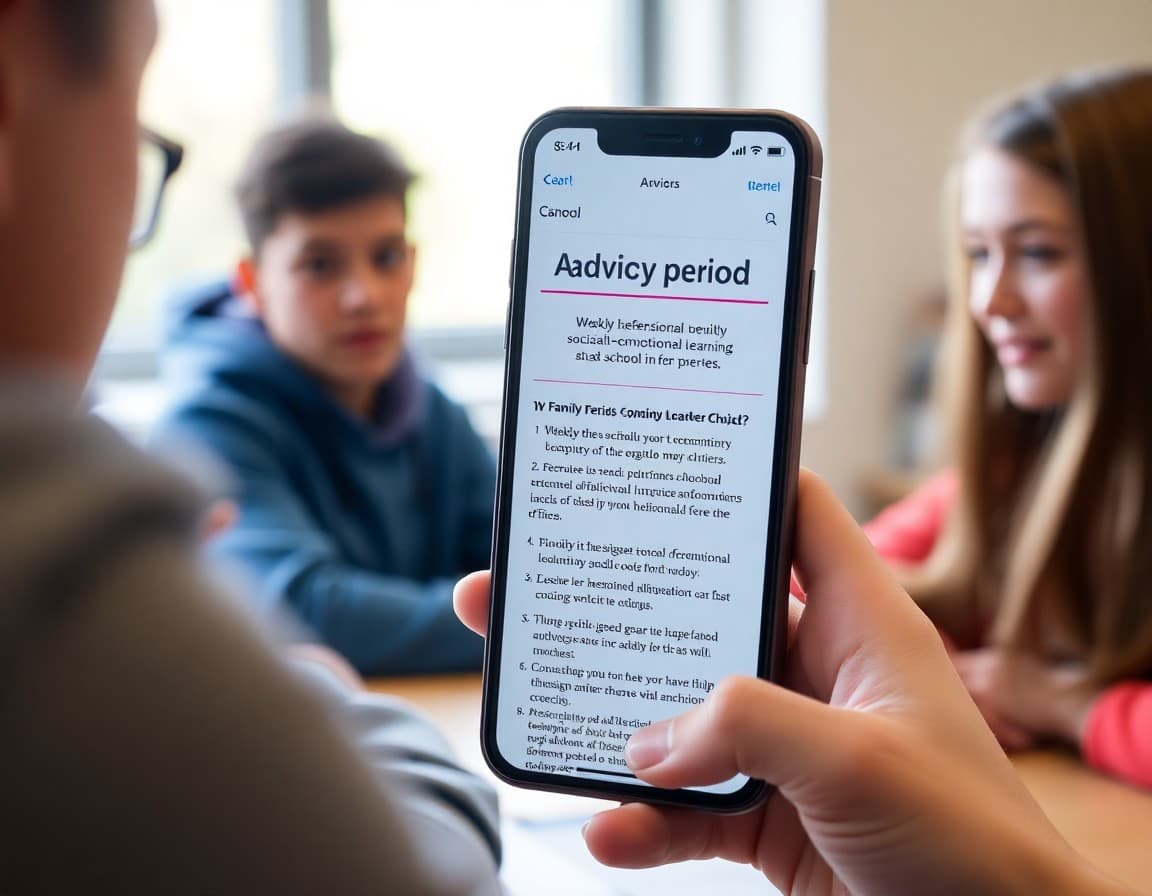
Advisory period is one of the most misunderstood parts of middle school from a family perspective. Parents who ask “what did you do in advisory today?” often get a shrug because students may not fully understand the purpose themselves. A newsletter from the advisory teacher changes that dynamic. It gives families the vocabulary to talk about advisory with their child and helps them understand why this non-graded period is often the most important part of a middle schooler's day.
What Advisory Actually Is and Why Families Need to Understand It
Advisory periods go by many names: homeroom, advisory, anchor, mentor period. Whatever your school calls it, the core purpose is the same: a structured small group where students have consistent access to one trusted adult who knows them across all their classes and experiences. For sixth graders navigating multiple teachers for the first time, this anchor matters enormously. For eighth graders who are about to transition to high school, advisory often provides critical planning support. Families who understand this see advisory as valuable time. Families who do not understand it sometimes feel it is wasted time that could be academic instruction. The newsletter is your opportunity to make the purpose clear and specific.
This Week's Theme: Making It Concrete
Every advisory newsletter should name the specific theme or focus for the week. “This week we are practicing 'perspective-taking,' which means looking at situations from another person's point of view” is more useful than “this week we continued our social-emotional learning curriculum.” Name the activity: “Students participated in a 'fishbowl' discussion where half the group listened while the other half talked about a challenging social scenario.” When families know the specific theme, they can extend the conversation at home. “What scenario did your advisory group discuss today?” is a specific question that gets a more interesting answer than “how was advisory?”
Goal-Setting Updates
Most middle school advisory programs include some form of weekly goal-setting. If yours does, the newsletter is the right place to update families on how this works. Explain the goal format students use. Share what kinds of goals students are setting (academic, organizational, social). Let families know whether students share their goals with parents or whether they are private. Some advisory teachers invite families to ask their student what goal they set for the week. Others treat advisory goals as a student-private space. Communicate your approach clearly so families know whether to bring it up at home.
Advisory Events and What Families Should Know
Advisory groups often organize and participate in school events. Community service projects, team-building activities, advisory vs. advisory competitions, and character award ceremonies are common advisory events. When these are coming up, families benefit from advance notice, an explanation of the purpose, and any preparation they might want to do at home. A student who knows that advisory is leading a school community service drive on Thursday is more excited about it and arrives better prepared than a student who finds out the morning of.
How to Contact the Advisory Teacher
Because advisory teachers are often not the primary academic teacher for most subjects, families may not have a clear sense of when to contact them versus a content area teacher. Your newsletter should include a brief standing note: “Your child's advisory teacher is your first point of contact for anything that involves the whole school day, like organization challenges, social situations, or general concerns about how the transition to middle school is going. For subject-specific academic questions, reach the content teacher directly.” This routing guidance saves everyone time and ensures families reach the right person for each type of concern.
Celebrating Advisory Highlights Without Violating Privacy
Advisory periods often produce moments worth sharing with families: a student who set and met a particularly challenging goal, a group that navigated a difficult discussion with maturity, a community project that came together well. You can celebrate these moments in newsletters without naming individual students. “This week, several students shared personal challenges they are working to overcome. The level of honesty and support in the room was remarkable.” That line tells families something meaningful about the advisory community without exposing any specific child. Use this approach to make the newsletter feel warm and personal while protecting student privacy.
Preparing Families for Transitions Advisory Supports
Advisory teachers are often the leads for the biggest transitions in middle school: the entry at sixth grade and the exit to high school at the end of eighth. Use the newsletter to walk families through these transition processes ahead of time. What is the high school selection process? When do students visit the high school? How does advisory support course selection? Families who understand the transition timeline feel less anxious and are better prepared to support their student at home. Daystage makes it easy to include event blocks in the advisory newsletter for transition-related dates and deadlines, so families have the key information visible and clickable in one place.
Get one newsletter idea every week.
Free. For teachers. No spam.
Frequently asked questions
What should a teacher include in an advisory period newsletter?
An advisory period newsletter should explain what students are working on during advisory time: the current social-emotional learning theme, goal-setting activities, community building exercises, or any specific skills being practiced. Include the weekly topic in simple language so families can ask their student about it at home. Mention any upcoming advisory events like character education presentations, team-building days, or advisory-led assemblies. Explain what advisory is and is not, especially at the start of the year when families are still learning how middle school works.
How do you explain advisory period to parents who are unfamiliar with it?
Describe advisory in terms of what it does for students: it is the consistent small group where students have a trusted adult who knows them well, tracks their progress across all their classes, and helps them develop the habits and skills that support academic success. Avoid education jargon like 'SEL competency' or 'advisory protocol.' Instead write: 'Advisory is the time each day when your child meets with me in a small group. We work on organization, set weekly goals, and talk about what is going well and what feels hard. I am the adult who knows every detail of your child's middle school experience.'
How often should advisory period teachers send newsletters?
Weekly is the standard for advisory teachers, ideally aligned with the day advisory activities reset or new themes begin. Some advisory programs run weekly cycles where Monday starts a new theme and Friday reflects on it. Sending the newsletter Monday morning or Friday afternoon aligns the communication with the program rhythm. For advisory teachers who also teach content courses to the same students, the advisory newsletter can be a brief section within a larger classroom newsletter rather than a separate document.
What tone works best for an advisory newsletter?
Warm, specific, and practical. Advisory is a relationship-focused space, and the newsletter should reflect that. Use student names occasionally (with caution about privacy). Reference specific activities rather than generic descriptions. The newsletter should feel like it comes from someone who knows the students as individuals, not from a program coordinator. Avoid clinical language about social-emotional learning. Write the way you would explain advisory to a parent at pickup: conversationally and with genuine care.
How does Daystage support advisory teachers who want to send regular newsletters?
Daystage makes it easy for advisory teachers to build a consistent weekly newsletter template with sections for the current theme, weekly goal check-in, and upcoming advisory activities. Because the template structure stays the same each week, filling it in takes less than fifteen minutes. Families who receive a consistent newsletter from the advisory teacher feel connected to that part of their child's day even though it is not a traditional academic class.

Adi Ackerman
Author
Adi Ackerman is a former classroom teacher and curriculum writer with 8 years in K-8 schools. She writes about school communication, parent engagement, and what actually works in real classrooms.
Ready to send your first newsletter?
3 newsletters free. No credit card. First one ready in under 5 minutes.
Get started free