
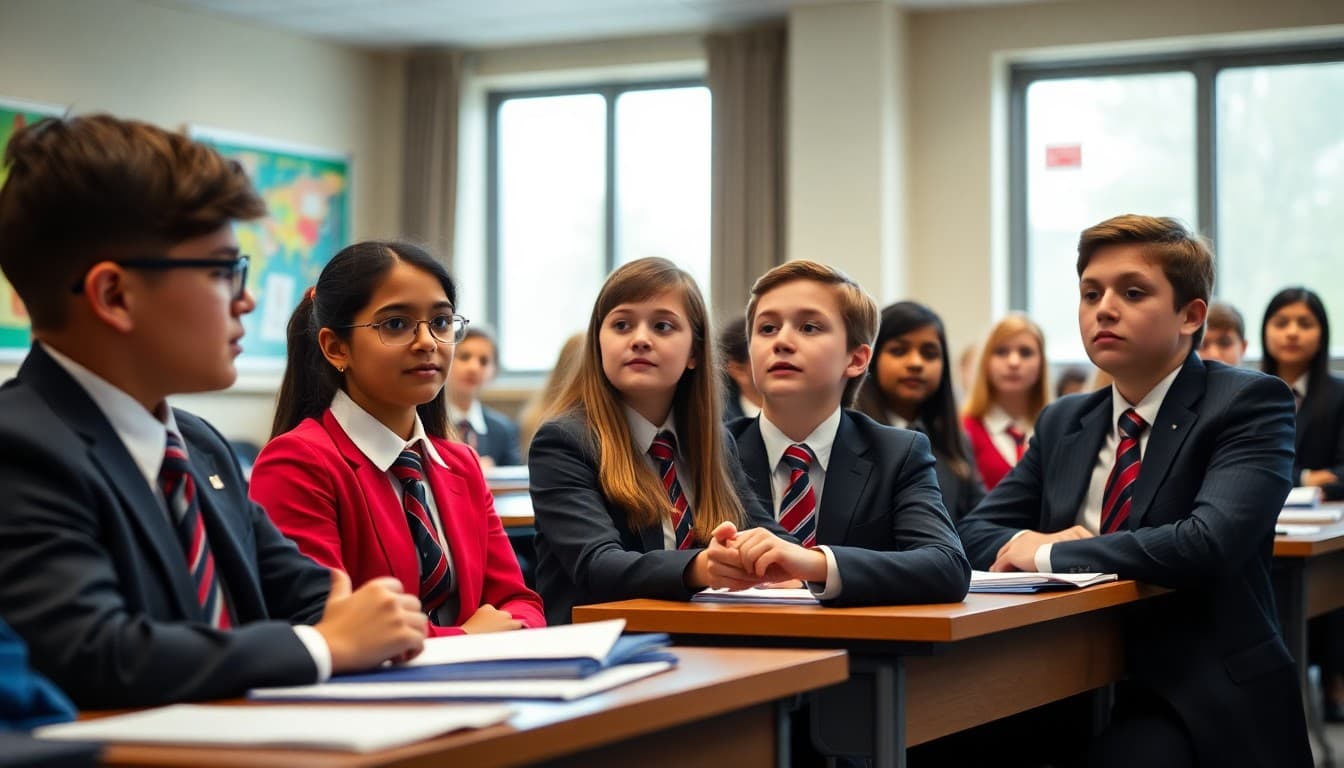
Model UN Newsletter: What Middle School Families Need to Know
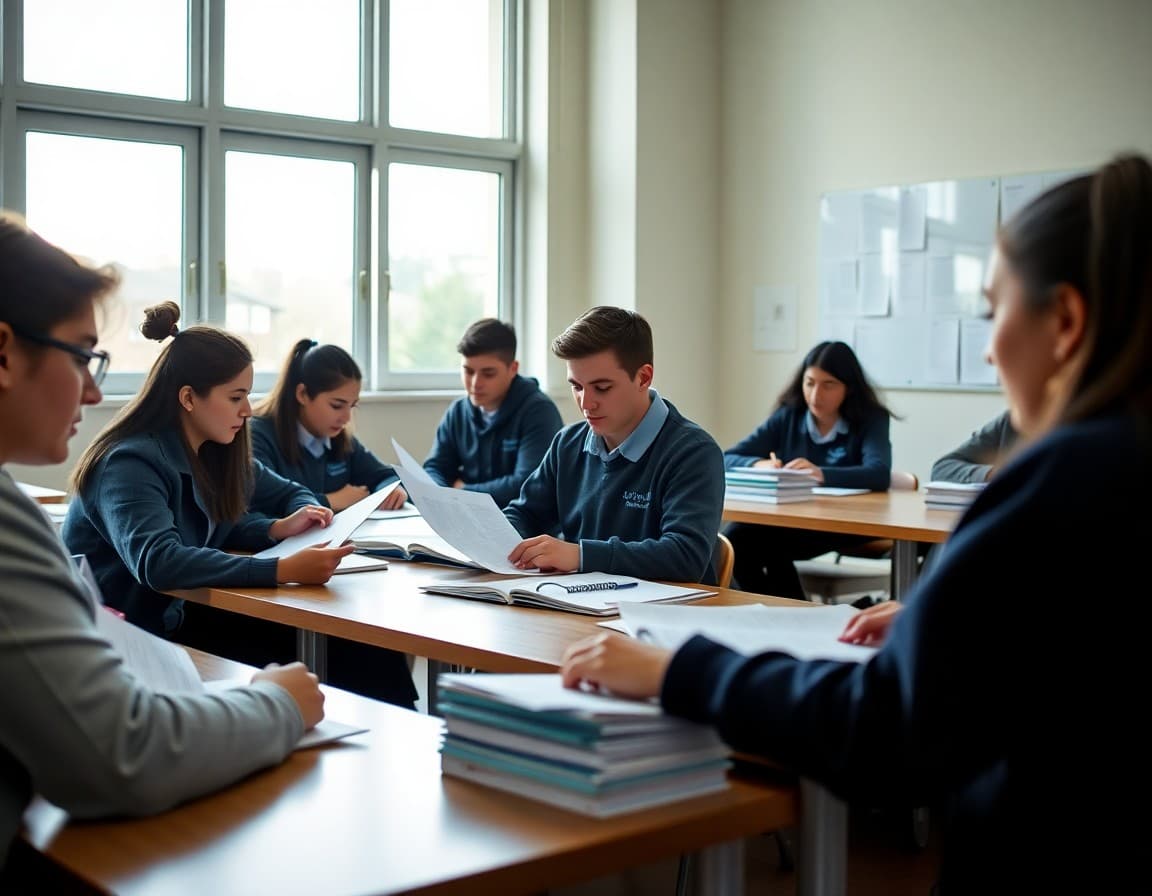
Model United Nations is one of those programs that sounds intimidating to families who have not encountered it before and that students who participate in often describe as one of the most valuable experiences of their school career. The combination of deep research, formal writing, public speaking, real-time negotiation, and the challenge of representing a perspective that is not your own produces a kind of intellectual and interpersonal development that is difficult to replicate in a traditional classroom setting. A newsletter that demystifies the program and shows families what their student will gain makes a real difference in participation rates.
How the Simulation Works
In Model UN, each student or pair represents an assigned country in a committee that is modeled on an actual UN body. The committee discusses one or more global issues and works toward writing and voting on resolutions, similar to what the actual United Nations does. During the conference, students deliver opening speeches representing their country's position, engage in formal debate using parliamentary procedure, caucus informally to negotiate and build coalitions, and collaborate on resolution language. Awards are typically given for outstanding delegate performance based on the quality of research, speeches, written submissions, and negotiation skills. Participation in the full conference is the goal regardless of whether a student receives recognition.
Preparing a Position Paper
The position paper is the primary written component of Model UN preparation. It articulates the assigned country's position on the committee topic: what the country believes the problem is, what policies or approaches the country supports, and what the country is willing or not willing to agree to in a resolution. Strong position papers are well-researched, clearly argued, and genuinely reflect the assigned country's actual foreign policy positions rather than the student's personal views. This requirement, representing a country you might personally disagree with, is one of the most intellectually valuable aspects of Model UN. Students who can articulate the strongest version of a position they do not hold have developed a perspective-taking skill that matters throughout their education and careers.
What Happens at the Conference
Conference day has a structure that follows parliamentary procedure. Committees open with a roll call, then proceed through a speakers' list where delegates deliver prepared speeches. Formal debate is interspersed with unmoderated caucus periods, which are informal negotiating sessions where delegates work on resolution language outside the formal meeting. By the end of the conference, committees vote on resolutions. The experience is intense, social, and genuinely exciting for most participants. Students leave having spent hours in serious conversation about global issues with peers from other schools, which is an experience few other school programs provide.
How Families Can Support Preparation
Families can meaningfully support Model UN preparation by taking an interest in the country and topics their student is researching. Ask about the country: where it is, what its government is like, what international issues it cares about most. Discuss the committee topic at home from different perspectives. Review the position paper draft and ask whether the country's position is clearly explained and whether the evidence supports the argument. Confirm logistics for conference day: transportation, dress, what time they need to arrive, and whether you will attend any portion of the conference. Your student is doing sophisticated intellectual work and your genuine interest in it is the most valuable support you can offer.
Get one newsletter idea every week.
Free. For teachers. No spam.
Frequently asked questions
What is Model UN and what do students do in it?
Model United Nations is a simulation of the United Nations where students represent assigned countries and debate resolutions on global issues. Students research their assigned country's positions on the assigned topics, write position papers, practice diplomatic negotiation and parliamentary procedure, and work to build coalitions and pass or block resolutions during the conference.
What skills does Model UN develop?
Model UN develops research and analysis, persuasive writing through position papers, public speaking in a formal setting, negotiation and coalition-building, knowledge of international relations and global issues, and perspective-taking through representing a country whose positions may differ significantly from the student's own views. These skills are among the most valued by selective universities and employers.
How do students prepare for Model UN?
Preparation involves researching the assigned country and its positions on the committee topics, writing a position paper that articulates those positions clearly, studying relevant UN resolutions and international law, learning parliamentary procedure for the debate format, and practicing speaking and negotiation. Most Model UN conferences provide a study guide or background guide for each committee topic.
What should students wear to Model UN?
Most Model UN conferences require business professional or business casual attire as part of the diplomatic simulation. This typically means dress slacks or a skirt with a button-down shirt or blouse, or a professional dress. Jeans and casual clothing are usually not permitted. The newsletter should specify the dress code for your specific conference.
How can Daystage help teachers and advisors communicate about Model UN?
Daystage lets advisors send detailed preparation newsletters with conference schedules, position paper guidelines, dress code reminders, and travel logistics in a well-organized format. Regular Daystage updates keep families informed about the multi-week preparation process.

Adi Ackerman
Author
Adi Ackerman is a former classroom teacher and curriculum writer with 8 years in K-8 schools. She writes about school communication, parent engagement, and what actually works in real classrooms.
More for Middle School
Ready to send your first newsletter?
3 newsletters free. No credit card. First one ready in under 5 minutes.
Get started free