
Debate Club Newsletter for Middle School Families

Debate is one of the most transferable skills programs available in middle school, and one of the most underutilized. Students who learn to research both sides of an issue, construct logical arguments, respond to challenges in real time, and speak clearly under pressure are developing capabilities that matter in law, business, medicine, advocacy, and almost every other professional context. A newsletter that explains what debate actually involves and why families should support their student's participation can significantly increase enrollment and retention in a program that tends to be undervalued until families see the results in their student's academic performance and confidence.
What Students Do in Debate Club
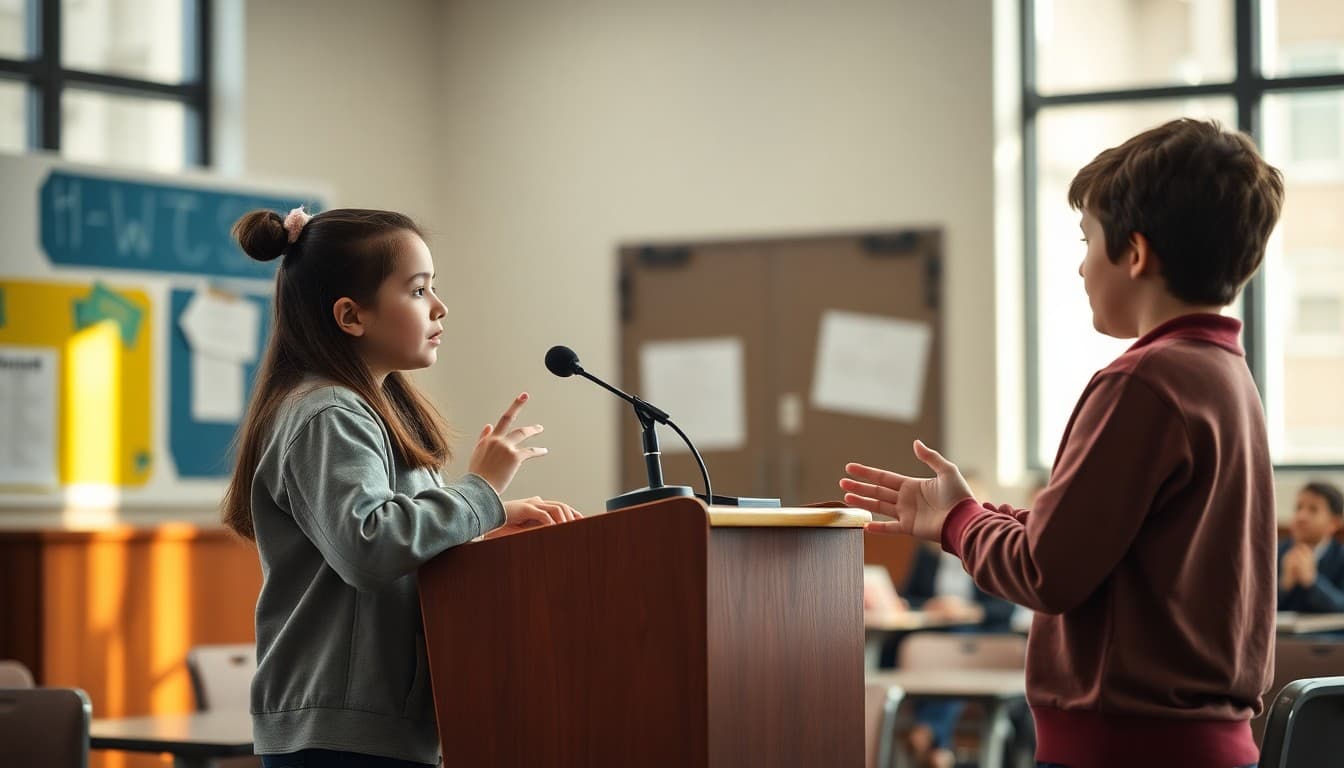
Debate practice involves multiple components that work together to develop both the technical and the performative skills of argumentation. Students research topics thoroughly from both sides, which requires them to understand and articulate the strongest version of arguments they may personally disagree with. This exercise in intellectual honesty and perspective-taking is one of the most valuable aspects of debate training. Students practice constructing arguments with evidence, which builds the logical structure that distinguishes a good argument from an assertion. They practice responding to rebuttals, which requires listening carefully and thinking analytically in real time under the pressure of a ticking clock. And they practice delivering their arguments clearly and confidently to an audience, which builds the public speaking comfort that transfers to every academic and professional presentation they will ever give.
The Rules of the Format
Each debate format has specific rules about speaking time, round structure, and roles. Whatever format the program uses, the newsletter should explain it in enough detail that families understand what they are watching at competitions. In most formats, teams alternate between affirmative and negative positions across rounds, which means students have to be prepared to argue both sides of any topic. This is a feature, not a bug. Students who understand the strongest arguments on both sides of an issue are better thinkers and better writers regardless of whether they personally agree with either position. The requirement to argue assigned positions removes the intellectual laziness of only engaging with the side you already believe.
Competition Preparation
Tournament preparation for middle school debate typically involves researching the current competition topic thoroughly, preparing evidence cards, practicing flows (the shorthand note-taking system debaters use to track arguments during a round), and running practice rounds with teammates or against other teams. In the days before a tournament, students should review their strongest arguments and their most likely responses to opposing arguments rather than trying to build new cases from scratch. Competition day logistics including arrival time, round schedule, and awards ceremony will be covered in a separate tournament newsletter closer to the event date.
How to Build Debate Skills at Home
Families who engage with current events and argumentation at home inadvertently develop their students' debate skills. When you watch news coverage of a political debate and ask "what evidence are they using for that claim?" you are reinforcing the critical listening skills debate develops. When you take a position at the dinner table and your student pushes back with "but what about..." you are watching the cross-examination skills they are learning in practice sessions. Families that model curiosity about opposing viewpoints, rather than dismissal of them, create an environment where the intellectual habits of debate practice feel natural rather than formal.
Get one newsletter idea every week.
Free. For teachers. No spam.
Frequently asked questions
What skills does middle school debate develop?
Debate develops public speaking confidence, research and evidence evaluation, logical argumentation, active listening, quick analytical thinking under pressure, and the ability to construct and respond to opposing viewpoints. Students who debate regularly consistently outperform peers in persuasive writing, standardized test reading comprehension, and academic presentation skills.
What debate formats are used in middle school?
Common formats include Lincoln-Douglas debate, which is one-on-one and focuses on values questions; Public Forum debate, which is two-on-two and often on current events topics; parliamentary debate; and class discussion formats that are less formally structured. The National Speech and Debate Association runs competitions at the middle school level. The newsletter should name the specific format the program uses.
How can families support debate preparation at home?
Watch the news and discuss current events together. Practice asking 'what evidence supports that?' and 'what would someone who disagrees say?' in normal family conversation. Listen to your student practice their arguments and give honest feedback about what was convincing and what was not. Drive to practice sessions and competitions. Show up to competitions when you can, since students notice and it matters.
Is debate appropriate for students who are shy or introverted?
Yes. Many of the strongest debaters are introverted students who become more comfortable with public speaking through structured practice in a supportive environment. Debate provides a clear framework for speaking in public, which is less intimidating for many introverted students than unstructured presentation. The research and preparation side of debate also plays to the strengths of careful, thorough thinkers.
How does Daystage help schools communicate about co-curricular programs like debate?
Daystage lets program coaches and teachers send regular newsletters with tournament schedules, results, and program milestones. Families who receive regular Daystage updates stay connected to a co-curricular program even when it operates outside regular school hours.

Adi Ackerman
Author
Adi Ackerman is a former classroom teacher and curriculum writer with 8 years in K-8 schools. She writes about school communication, parent engagement, and what actually works in real classrooms.
More for Middle School
Ready to send your first newsletter?
3 newsletters free. No credit card. First one ready in under 5 minutes.
Get started free