
Student Government Newsletter for Middle School Families
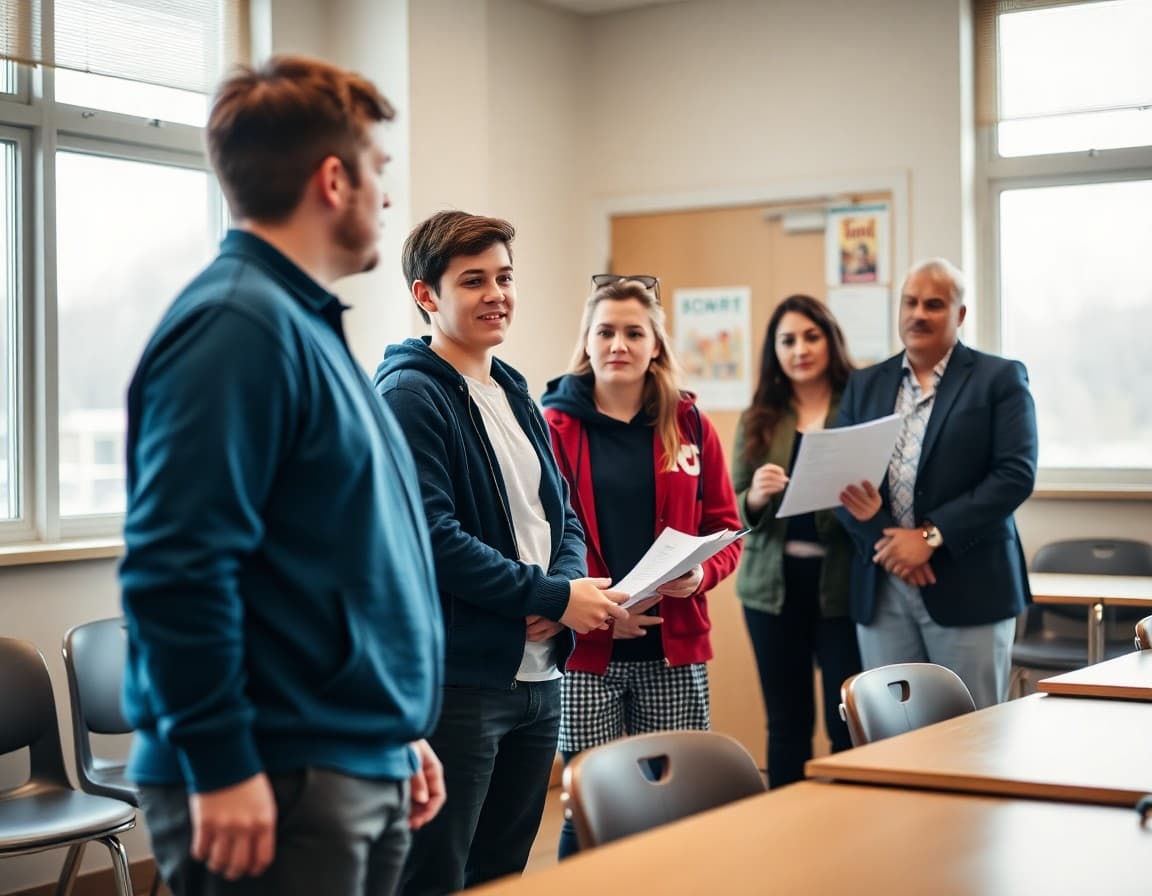
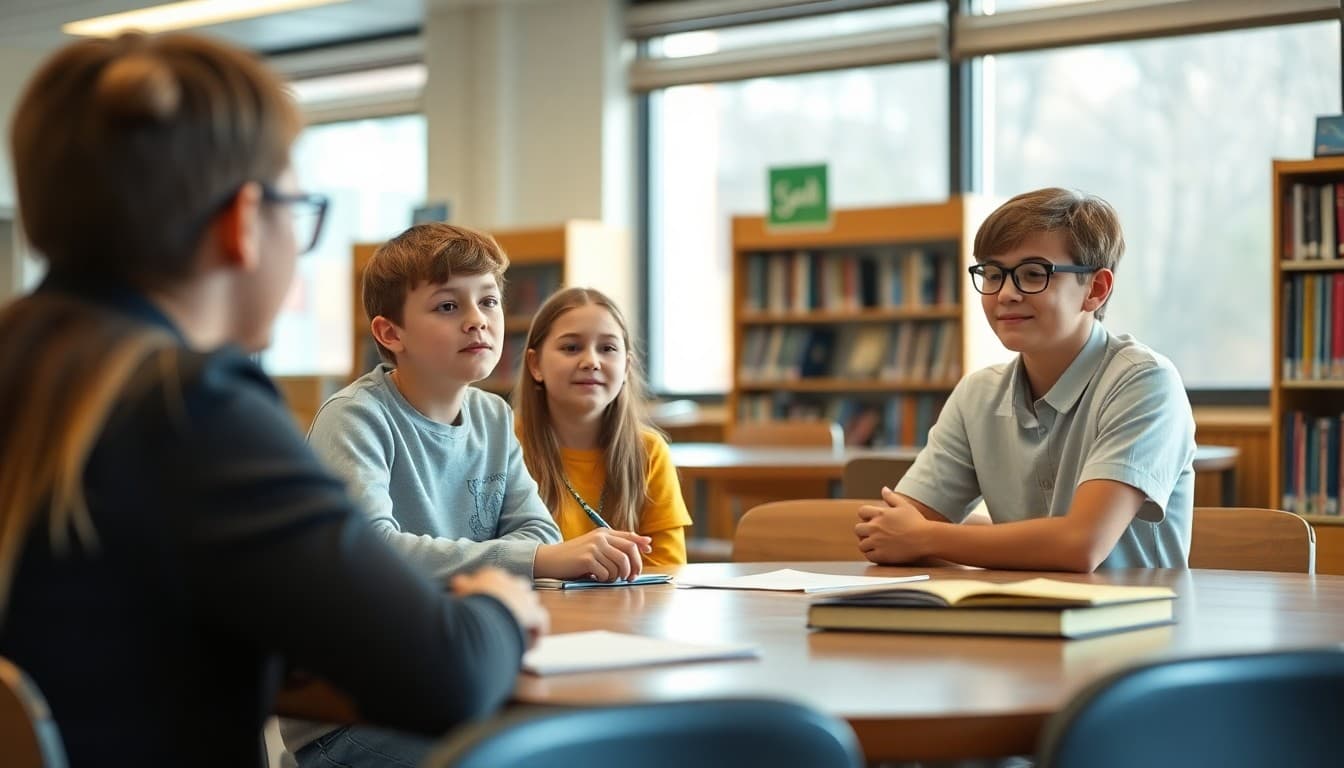
Student government is where middle schoolers learn that institutions respond to organized voices. It is where students practice the civic skills that democratic participation requires: making a case, building support, working within rules, and accepting that you will not always get what you want. A newsletter that explains to families what student government does, how their student can participate, and what the current projects are keeps the community connected to student civic life and demonstrates that student voice is taken seriously by the school.
What Student Government Does in Practice
Middle school student government operates on a spectrum from mostly ceremonial to genuinely influential, depending on the school. The most effective student governments do several things consistently: they hold regular meetings with a structured agenda, they gather input from the student body before making decisions that affect everyone, they maintain communication with school administration about student concerns and proposals, and they follow through on projects they commit to rather than proposing initiatives that never happen. Students who see their government functioning effectively develop a belief that participation matters. Students who see it as purely ceremonial learn the opposite lesson.
Current Projects and Initiatives
Student government newsletters are most useful when they report on specific ongoing work rather than vague references to "school improvement." The specific project your student council is working on, whether it is a fundraiser for a new piece of playground equipment, a proposal to extend the lunch period, a community service drive, or a school spirit event, should be described in detail. What is the goal? What has been done so far? What comes next? What do students and families need to know or do to support it? Specific reporting on specific projects is more engaging than general statements about student leadership and civic responsibility.
Elections and How to Run
If election season is approaching, the newsletter should explain the specific positions available, the eligibility requirements, the campaign process, and the voting process. Many students who would make excellent representatives do not run because they do not know the process or are uncertain whether they are allowed to. A clear explanation in the newsletter removes this barrier. The newsletter should also describe what responsibilities each position actually involves so students can make an informed decision about whether to run and families can support an informed choice.
How Students Can Bring Concerns to Government
A student government that only communicates to the student body rather than listening to it is missing half its function. The newsletter should explain how any student can bring a concern, idea, or proposal to student government. Is there a suggestion box? An email address for the council? A public comment period at meetings? A representative they can speak to directly? When students know they have access to this channel, the government becomes more representative. When the channel is unclear or seems inaccessible, only the already-connected students participate.
Get one newsletter idea every week.
Free. For teachers. No spam.
Frequently asked questions
What does student government do in middle school?
Middle school student government plans school events, advocates for student concerns to administration, organizes service projects, manages school spirit initiatives, and provides a formal channel for student input on school decisions. The scope of student government power varies by school, from advisory to actual decision-making authority on specific issues.
How can students get involved in student government?
Most middle school student governments have elected class representatives as well as elected officers such as president, vice president, secretary, and treasurer. Elections typically happen at the start of the school year. Some schools also have appointed committee positions for students who want to participate without running for election. The newsletter should describe the specific opportunities available and the timeline for joining.
What skills does student government develop?
Student government develops public speaking, collaborative decision-making, event planning and project management, communication between stakeholders with different interests, and the practical experience of working within an institutional structure to create change. Students who participate in student government consistently show stronger civic engagement as adults.
How do student government members represent their classmates?
Representatives gather input from their classmates through surveys, casual conversations, and class discussions, then bring those perspectives to student government meetings. The quality of representation depends on how actively the representative seeks input and how honestly they report what they hear. Good student representatives ask their classmates what matters to them rather than assuming they know.
How does Daystage help student government communicate with the school community?
Student government can use Daystage to send newsletters about school events, solicit input from families and students through newsletter surveys, and announce initiatives and projects. Daystage gives student government a professional-looking communication channel that reflects well on the organization and reaches families who are not already following social media.

Adi Ackerman
Author
Adi Ackerman is a former classroom teacher and curriculum writer with 8 years in K-8 schools. She writes about school communication, parent engagement, and what actually works in real classrooms.
More for Middle School
Ready to send your first newsletter?
3 newsletters free. No credit card. First one ready in under 5 minutes.
Get started free